Category: College

  • PSAT For Your Junior High or High Schooler

    PSAT For Your Junior High or High Schooler

    Early summer is the perfect time to contact local schools about PSAT options in the fall. Both private and public schools may have options for homeschool testers. Don’t wait until the last minute to inquire and reserve a spot for your student!

    Find out information about the PSAT, including the PSAT 8/9, PSAT 10, and PSAT/NMSQT, at the College Board website.

  • WVUP Hosts Science Labs for Homeschoolers

    WVUP Hosts Science Labs for Homeschoolers

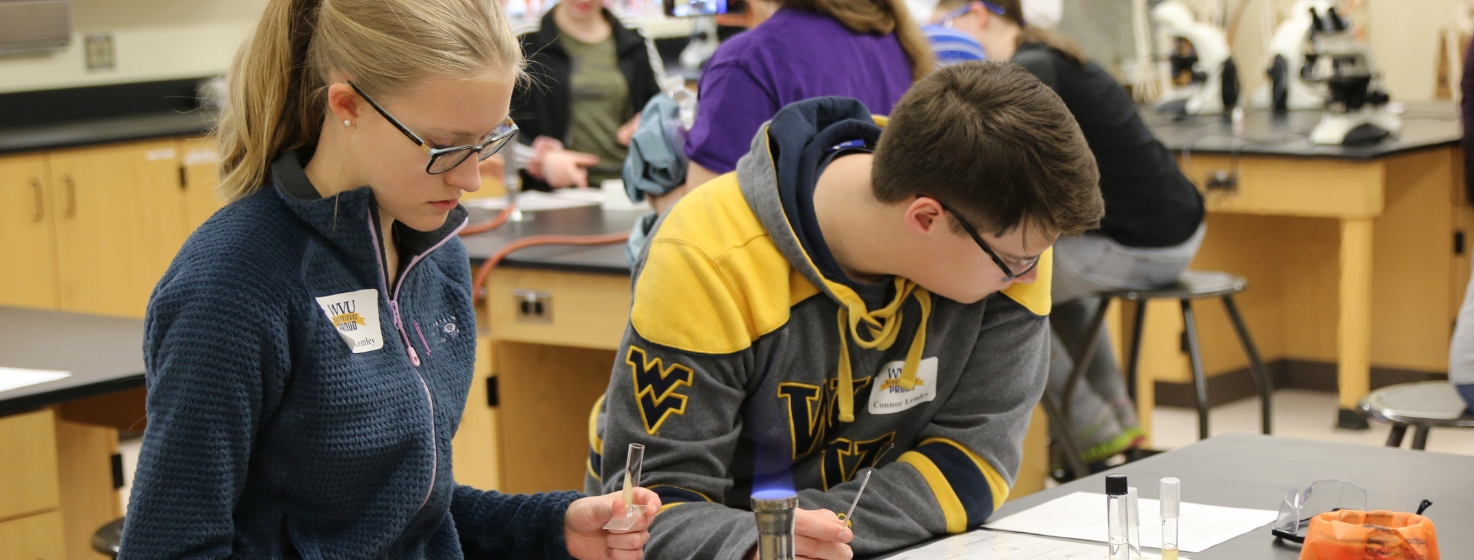
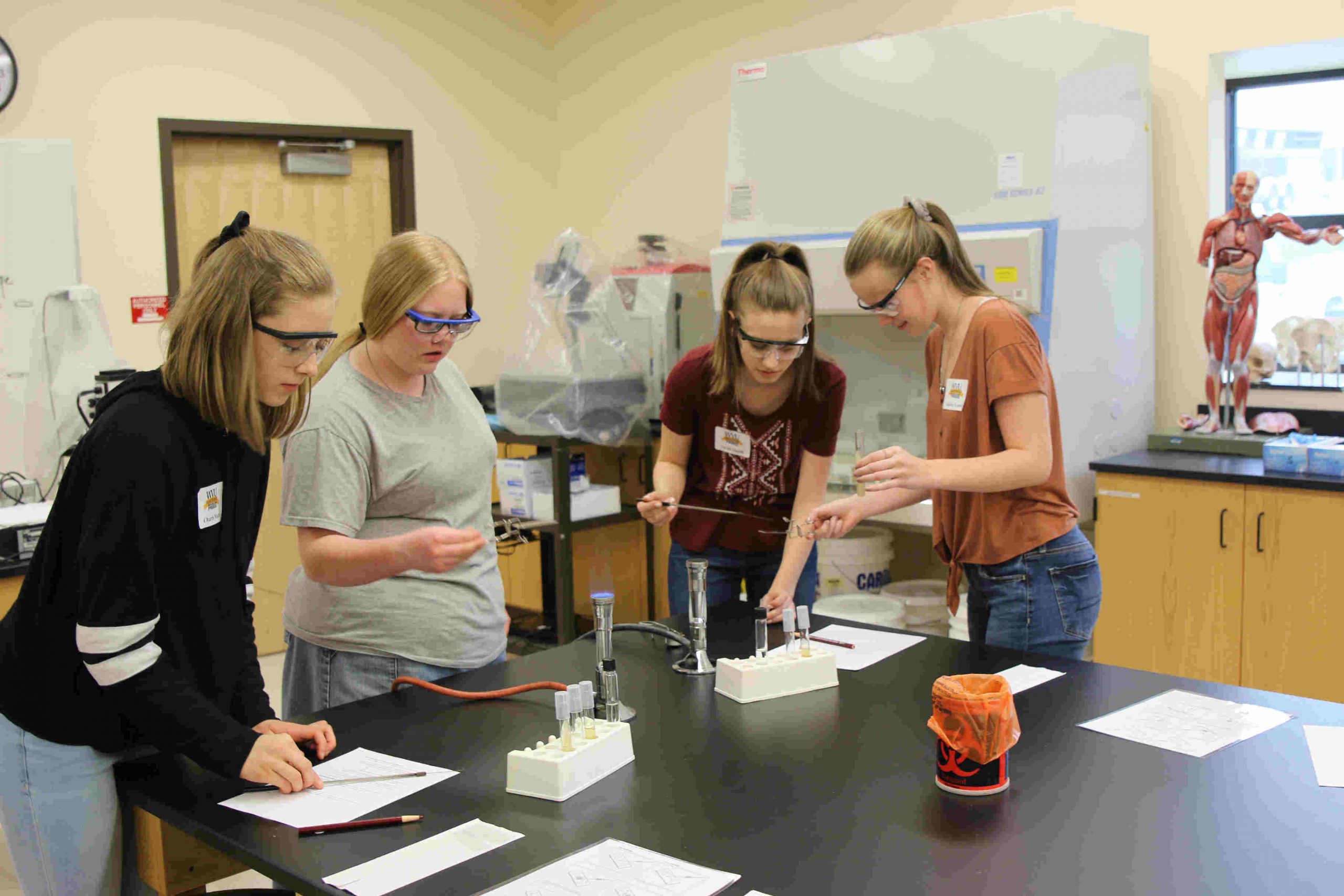
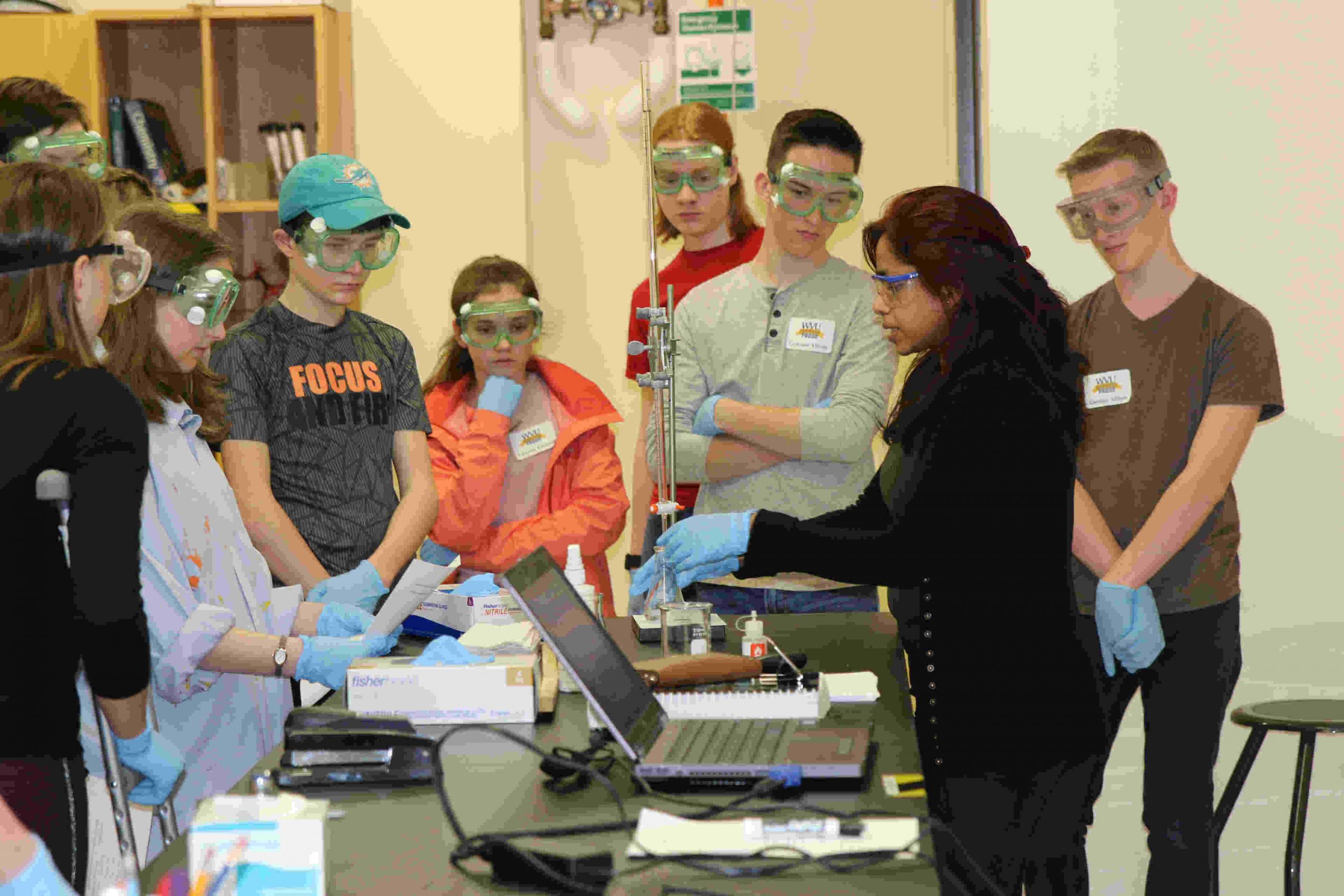
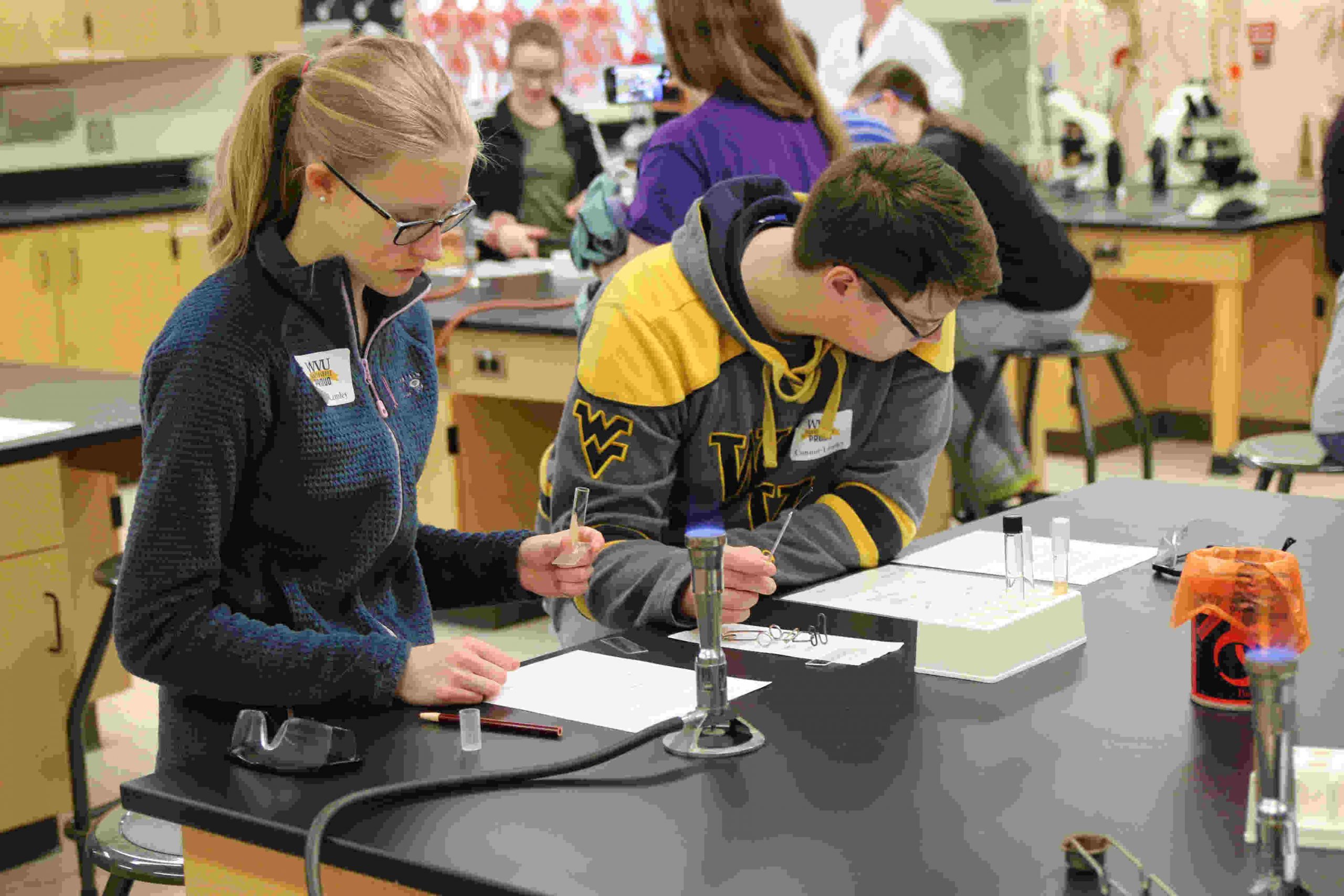
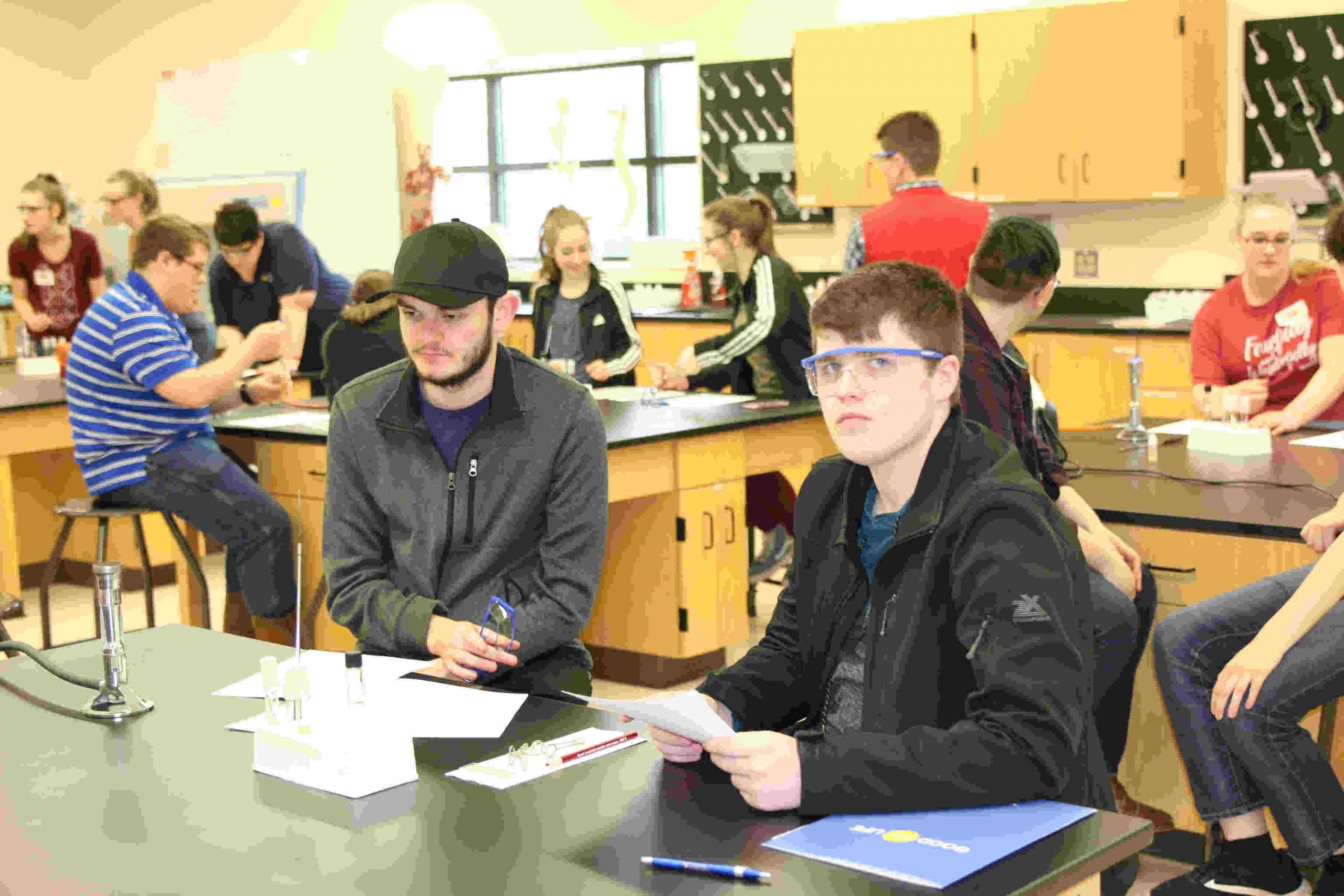
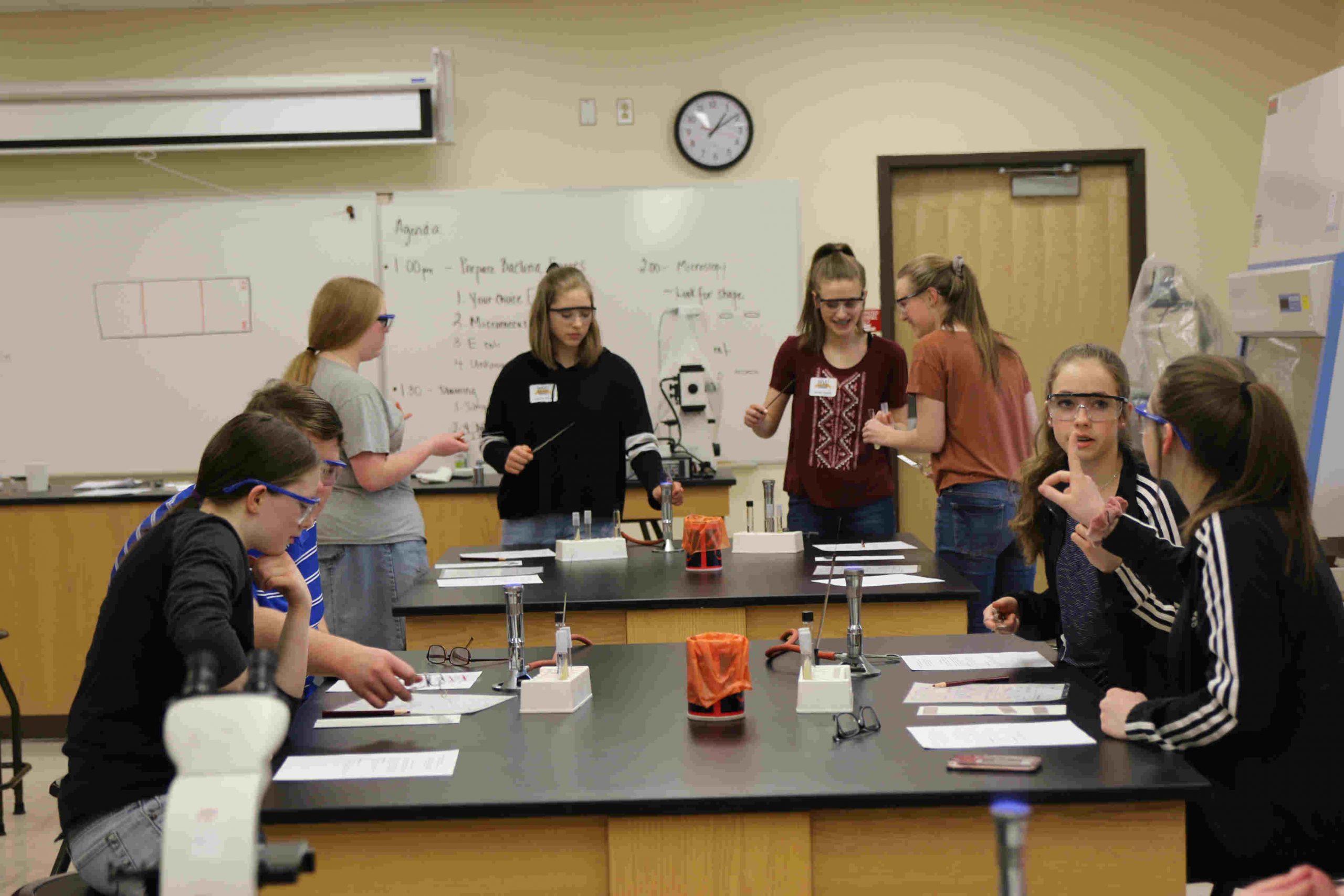
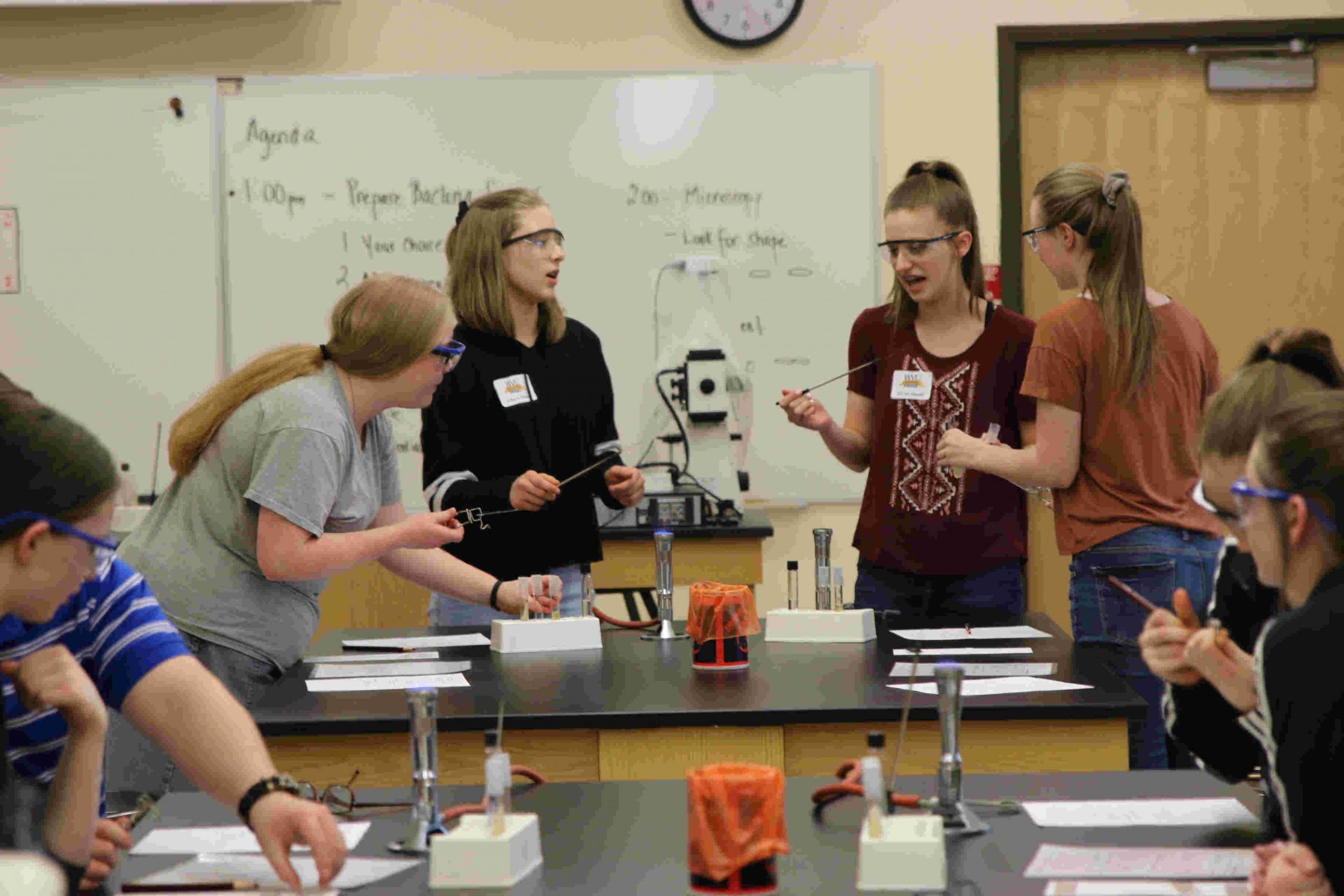
    Since lab sciences are prerequisite for college admissions, CHEWV was delighted that WVUP willingly offered high school level science labs to homeschoolers last month.  Here’s the icing on the cake:  they offered the labs, with materials, at no charge!  

    In March, several families took advantage of the “Home School Day” held at WVUP’s campus in Parkersburg for 8th-12th graders and their parents.  Following a career-exploration program, tours, and free lunch, both biology and chemistry labs were offered in the afternoon. 

    Paula Lemley, a Morgantown homeschooling mom and CHEWV member who took her three oldest to the event, raved about the program.  “I wish we lived closer.  They are offering Early College – really a dual enrollment.  My kids would be able to take classes, earn college credits, and get a ‘feel’ for college.”  While she is aware of dual enrollment courses at WVU, she explains, “This campus is nice and small.”  Small classes with personable instructors can serve as a valuable transition before attending a larger university.  

    Enthusiastically affirming that her family would participate if they offer labs again next year, Paula expressed a desire for other colleges/universities to follow suit.  “This Parkersburg campus is really reaching out to the homeschool community.  I wish FSU and WVU would do the same.”

    And so do we.  CHEWV would like to see more colleges around the state reach out to homeschoolers and provide science labs as an incentive to take campus tours and listen to college presentations.  Career-oriented labs were offered by the West Virginia Junior College Bridgeport campus in 2015, co-hosted and fully supported by CHEWV.  We are more than willing to lend our support to any college that would consider hosting labs because we hope this becomes a trend across the state.

    ~~~~~

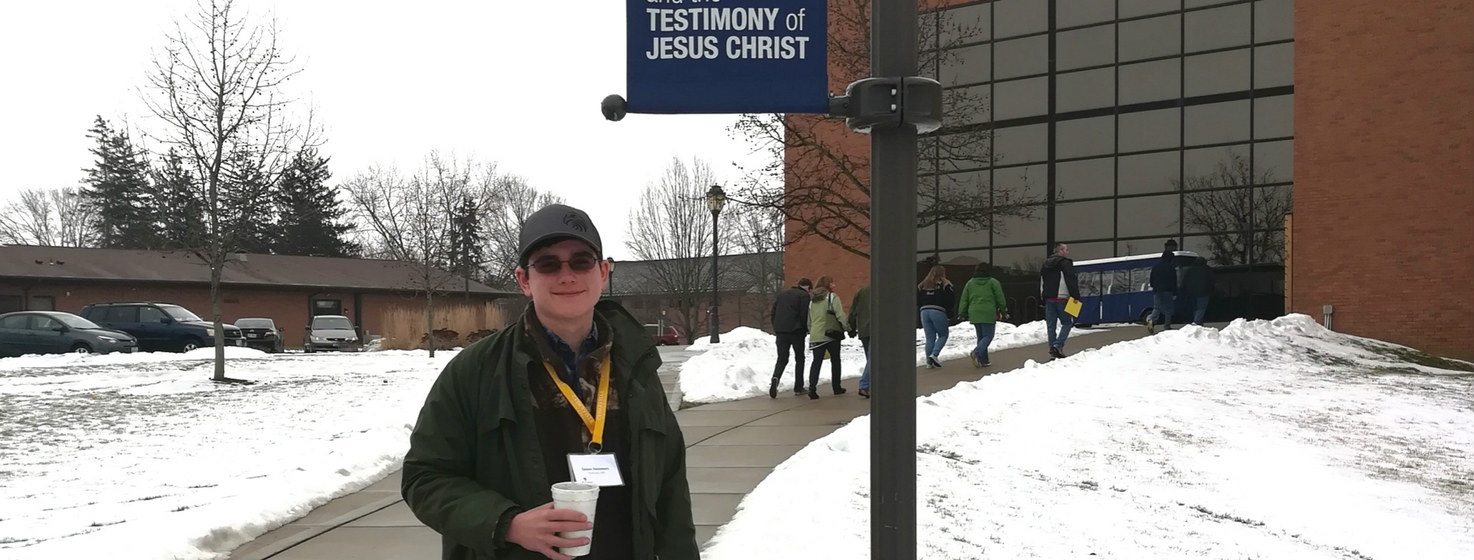
    Click on any of the photos below to view as a slideshow.

  • PROMISE Eligibility

    PROMISE Eligibility

    5 Things to Know

    Changes in PROMISE scholarship eligibility requirements for homeschoolers, effective July 2018, are now being implemented.  Here are some key things homeschoolers should know about the changes.

    1. No more GED.  Homeschool graduates are no longer required to take the GED to qualify for the PROMISE scholarship.
    2. Same requirements as public and private school students. To qualify for the PROMISE, homeschoolers now have basically the same academic requirements as public school students:
      • Minimum ACT composite score of 22 or SAT combined of 1100,
      • Minimum ACT scores of 20 in English, Mathematics, Science, and Reading – or a minimum SAT of 520 in math and 530 in reading,
      • Grade Point Average of 3.0 on a 4.0 scale in all high school course work, and
      • GPA of 3.0 in core classes required by the WV Higher Education Policy Commission (HEPC). 
    3. Must include “core classes”. SB 319, which passed in the 2018 legislative session, requires a 3.0 in core classes to qualify for the PROMISE.  The core classes prescribed by HEPC include 4 English credits; 4 Social Studies credits; 4 Math credits; and 3 Science credits.  This list of core classes will now be an important document for homeschool families wishing to become PROMISE-eligible. 
    4. Documentation needed. The core classes taken must be listed on their prescribed Homeschooled Grade Report Form and submitted to HEPC along with a transcript of all high school classes and grades.  The names of the core classes listed on the form should reasonably match the course names of the core classes listed on HEPC’s website.  In addition to the Homeschooled Grade Report Form, applicants must fill out the PROMISE application.
    5. Other requirements remain. In addition to academic requirements outlined above, other requirements for PROMISE remain unchanged.  Among these include residency requirements, application deadlines, submission of FAFSA, and documentation from the county board office that the student was homeschooled during the 11th and 12th grades.  See the complete list of requirements at the CFWV website.

    The CFWV can help with both PROMISE eligibility and the entire FAFSA application process.  


    Note 11/13/2020: If you have a student who qualifies for a Promise Scholarship you will need to get a letter from your county board of education stating that your child was homeschooled in the 11th and 12th grades.  Unfortunately, some parents have recently had some difficulty obtaining this documentation.

     If you find yourself in a situation where county officials hesitate to verify your student’s homeschool status, you may need to remind them that a NOI, even one submitted four years ago, is valid until you notify the county that you have ended the home education of your student.

     It is also very important to make sure you are following the law by submitting assessments in the years required (3rd,5th, 8th, and 11th). These filings will support your case when you need documentation from a county. By filing your 11th grade assessment you have de facto proof that you homeschooled in the 11th grade, even when county officials say they cannot give you verification.

  • College Fair: Like Mother, Like Son?

    College Fair: Like Mother, Like Son?

    by Wendy Summers

    Little did I realize when I decided to attend a college fair as a high school junior, that it would become a God-ordained pivot point in my life.  I had thought my college path was already determined. I was from Maryland, and by default, I would attend the University of Maryland.  My only real choice was which campus.

    The fair was packed with colleges and students. At some point, I ended up walking over to a table where a college counselor sat alone. We chatted a few minutes, and I learned that the school had an art camp that summer. I took the information home and spoke with my mother about the possibility of going to the camp. To my surprise, she said “yes.” A week into that camp at Alfred University in New York, I knew that I was meant to go there.

    Thirty years later my husband and I are helping our son choose a college or university, praying for God’s perfect will for his life. We have done hours of research and visited some schools. Our mailbox has been crammed with information and literature from schools all across the country, and some have even called! There is so much to consider: distance from home, campus environment, number of students, price, scholarships, available majors, worldview, and on and on. How will he know which school to choose?

    Some of the best advice that I have for him I learned many years ago. The first step to finding God’s will in a big decision is seeking to be neutral.  Pray that your feelings and opinions will be okay with whatever God wants. Before our son was even conceived, for example, I began to pray that my husband and I would be willing to raise our kids the way God wanted us to raise them, even if that meant swimming against the flow of culture. When all our friends automatically began registering their kids for pre-K, I was still praying that my feelings and wishes be aligned with God’s will.  Ultimately, He led us to homeschooling. 

    Now, as our son’s homeschooling journey nears an end and he seeks to discern God’s leading in his own life, the best advice I can give him is to seek God’s heart first and be open to any surprise directions that our Lord may ordain.

    In that context, we are greatly anticipating CHEWV’s College Fair and Financial Aid workshop on the 19th. The fair will be a great opportunity to speak with college counselors from across the state about the schools and their admission process. After visiting a few colleges already, we’re looking forward to talking with many colleges in just one afternoon! 

    Still, my mind goes back to my own college fair thirty years ago, an event that turned out to be pivotal in my life.  I wonder if God will use CHEWV’s College Fair in some big way in our son’s life. If so, we’re open to however God leads!

    Wendy and her husband James serve on the CHEWV board and are directing the CHEWV College Fair and Financial Aid Workshop.  She hopes and prays that God uses it in the lives of many homeschooling families to direct students to the college of His choice. 

  • High School Records

    High School Records

    What I’ve Learned First-Hand

    by Becky Price

    When our oldest son applied to an out-of-state four-year college, we included his transcript along with a copy of his high school diploma, and he was accepted with no other records necessary. When our second son applied to an out-of-state technical school a couple years after he graduated from our homeschool, we sent his transcript and diploma as we had done before. Imagine our surprise when we received an email from them requesting a long list of additional evidence of his education – even requiring it to be notarized!

    Here is the list of what we were required to submit:

    -Home school requirements

    -Curriculum

    -Books listing

    -Dates of attendance

    -Attendance requirements

    -Instructor/teacher of curriculum

    -Assessment method that was used to determine if the student was ready to reach the next level or to be  considered complete with the subject knowledge

    -Transcript or records from high school (if attended)

    Fortunately, I had kept careful records of all of this. The only thing I did not have were attendance requirements, since we do not have homeschool attendance requirements in WV under 18-8-1(c)(2). I explained this to admissions, and that was acceptable.

    Maintaining an accurate and detailed record of your child’s high school studies is an important task for parents. Not only does it help greatly when preparing a transcript, but it can also become a necessity in a situation like ours, since West Virginia’s diploma-fairness law does not apply in other states.

    Keep the records on file even after your child has graduated, because plans often change as graduates grow through early adulthood. I also recommend keeping these records beginning in junior high, so that it becomes second-nature by high school.

  • High School: Dual Enrollment Options

    High School: Dual Enrollment Options

    Homeschooled high school students are benefitting from the growing early enrollment options available through higher education institutions, where they can earn college credit during the high school years at a drastically reduced cost. These programs, through universities like WVU ACCESS and WVU Tech, offer a range of academic opportunities for the high school student seeking an academic challenge, whether their courses be on-campus or online.

    Dual enrollment has become a popular alternative to AP testing due to its  growing availability through online classes and its low cost. Classes through WVU Tech are $25 per credit hour, while classes through the WVU ACCESS program are $75 per credit hour.

    “I am homeschooling two high school students, but I wanted to give them the opportunity to have an instructor other than me before college, and to earn early college credit,” says one homeschooling mom. Her daughters are dual enrolled at WVU Tech, and both will be taking English 101 this fall—even though one daughter is a sophomore.

    “I had inquired if it would be possible for my rising sophomore to take a class also,” the mom says, “and I was told that it would be possible, even though those classes are typically reserved for juniors and seniors. She has already taken the ACT and scored well in language and reading, and I supplied this information unofficially to the college while asking about her enrollment.”

    While students enrolled in public school are limited to taking dual enrollment courses during their junior and senior years, homeschooled students can additionally enroll during their sophomore year with their parents’ approval and a GPA of at least 3.0. The school may also ask for proof that the student is academically capable; Pierpont Community College requires a $22 fee per credit hour for an evaluation that the student must pass in order to enroll, for example.

  • Academy Nominations

    Academy Nominations

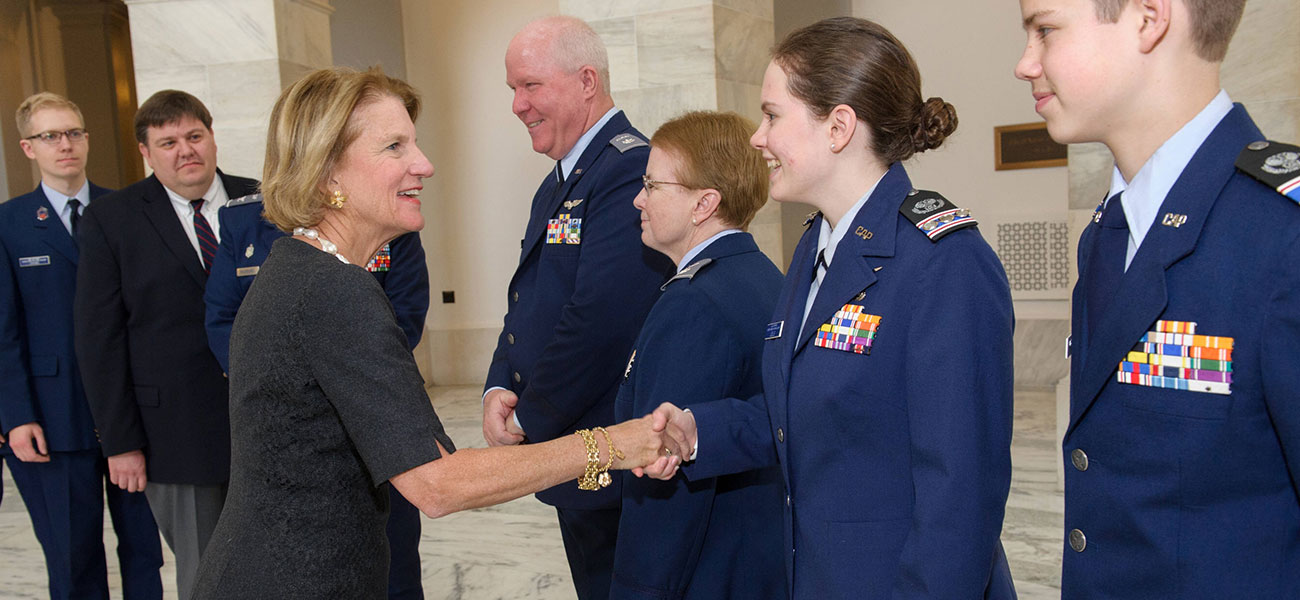
    Each year, one of my most important responsibilities as your Senator is nominating young men and women for admission to our country’s service academies.

    To be eligible, you must be:

    • A US citizen
    • A legal resident of the state of West Virginia (or a dependent of military members who are West Virginia residents)
    • Single; not pregnant, and without legal obligation to support children or other dependents
    • At least 17 years of age and not yet 23 years old on July 1 of the year you would enter an academy (25 years old for USMMA).

    Service academy applicants are eligible for nomination by both United States Senators in the state of their legal residence and the United States Representative for the District in which they reside as well as the Vice President. Applicants should apply for nomination to all applicable nominating sources.

    Admission to a service academy is a two-tiered process. First, the candidate must apply through the Academy directly. There are five (5) service academies that offer appointments to highly qualified individuals who meet eligibility requirements and are the most competitive in academic performance, physical fitness, medical standards, extracurricular involvement, leadership traits, motivation and aptitude for military service. You are encouraged to apply early to any and all service academies for which you have a sincere interest. You may apply online at the respective service academy web site. If you meet the minimum eligibility and entrance requirements, the academy will forward a formal application package. You should return all requested materials as directed by the academy as quickly as possible. If you are considered an “official” candidate by the academy, you will be scheduled for a medical examination by the Department of Defense Medical Review Board (DODMERB). You will also complete a Candidate Fitness Assessment (CFA).

    The second tier in pursuing admission is the Congressional Nominations process. An individual must meet the admissions requirements of the Academy as well as receive a nomination in order to be offered an appointment to the Academy. You do not need a Congressional Nomination for the United States Coast Guard Academy.

    The application for applying for a nomination from my office can be found HERE or the Application button below. The deadline for submitting completed applications is Tuesday, October 25, 2016 at 5 p.m. Postmarks are not sufficient.

    Senator Capito will host four Academy Days this fall for West Virginia students interested in learning more about admission to U.S. service academies and available ROTC scholarships. Members of Senator Capito’s staff will be available at each event to provide information on academy nominations.

    Senator Capito’s Academy Days are scheduled for the following dates:

    Charleston Area
    Date: Saturday, September 17, 2016
    Time: 2:00 – 4:00 p.m.
    Location: South Charleston High School
    Address: 1 Eagle Way, South Charleston, WV 25309

    Eastern Panhandle
    Date: Saturday, September 24, 2016
    Time: 2:00 – 4:00 p.m.
    Location: Spring Mills High School
    Address: 499 Campus Drive, Martinsburg, WV 25404

    Southern West Virginia
    Date: Sunday, October 2, 2016
    Time: 2:00 – 4:00 p.m.
    Location: Woodrow Wilson High School
    Address: 400 Stanaford Road, Beckley, WV 25801

    Northern West Virginia
    Date: Saturday, October 8, 2016
    Time: 2:00 – 4:00 p.m.
    Location: University High School
    Address: 131 Bakers Ridge Road, Morgantown, WV 26508
    Note: Larry Mullen, Deputy Chief of the Department of Defense Medical Examination Review Board (DoDMERB), is scheduled to attend this event.