Category: Home School Day at the Capitol

  • Let’s Have HSDC In the Spring!

    Let’s Have HSDC In the Spring!

    [et_pb_section fb_built=”1″ admin_label=”section” _builder_version=”4.16″ global_colors_info=”{}” theme_builder_area=”post_content”][et_pb_row admin_label=”row” _builder_version=”4.16″ background_size=”initial” background_position=”top_left” background_repeat=”repeat” global_colors_info=”{}” theme_builder_area=”post_content”][et_pb_column type=”4_4″ _builder_version=”4.16″ custom_padding=”|||” global_colors_info=”{}” custom_padding__hover=”|||” theme_builder_area=”post_content”][et_pb_text admin_label=”Text” _builder_version=”4.27.2″ background_size=”initial” background_position=”top_left” background_repeat=”repeat” hover_enabled=”0″ global_colors_info=”{}” theme_builder_area=”post_content” sticky_enabled=”0″]

    We know what it’s like!  After early morning travel on precarious roads, we finally make it to Capitol parking – three blocks away!  The early February wind whips through our dress pants and sends shivers down to our freezing feet as we trudge to the Capitol entrance – far, far from where we parked. Why oh why did we ever decide to bring a display board when we had to carry it three blocks through the biting cold – while managing four children and a packed lunch? 

    Because we are determined to defend our homeschooling freedom, no matter the cost!    

    But why not hold this important event when the sun shines and the warm air beckons?  Because the West Virginia Legislative Session convenes each year on the second Wednesday of January and runs for 60 consecutive days.  That means January through early March – exactly in the coldest weeks of the Mountain State winter. 

    As much as we would like to hold it on a more comfortable day, our aim is to educate and influence our legislators.  Slightly before mid-session is usually the ideal time for moving good legislation and derailing bad.

    We’re not the only organization that vies for a day at the legislature, after all; competition for the “key” days is stiff. The scheduling fray for next year begins as soon as the legislative session ends this year. If we want to have a voice in Charleston, then we must defy the challenges of winter in order to influence those who have the power to restrict our freedom.

    So begin planning the warm apparel you’ll need for the upcoming Home School Day at the Capitol. Let’s come out in droves with cherry noses and big smiles!

    [/et_pb_text][/et_pb_column][/et_pb_row][/et_pb_section]

  • Our First Home School Day at the Capitol

    Our First Home School Day at the Capitol

    And What We Have Learned From the 2018 Legislative Session

    by Kelli Allen

    Our family participated in Home School Day at the Capitol (HSDC) for the first time this year. As rookies, we weren’t quite sure what to expect so we were grateful that CHEWV organized it so that our trip would run smoother. Legislation pertaining to homeschooling was what motivated us to make our four-hour trek to Charleston.

    It was a privilege to meet with two out of our three legislators to discuss homeschooling issues that concerned us.  They were friendly and welcoming, though one in particular was evasive when it came to discussing these issues. We also visited with another representative who has been a supporter of homeschooling, and we were able to express our gratitude.  

    What we learned from our trip is that the winds of change in Charleston are constant and quite unpredictable. Last year’s Tim Tebow bill, for example, which passed the House and Senate but was vetoed by our governor, didn’t even make it out of the House Education Committee this year. The Senate’s version remains stalled in the Senate Finance Committee as I write this, and the session is coming to a close. Disappointed? Absolutely, and probably just as much as our kids. Word was that this bill was expected to become law this year. I hear that the Senate’s version won’t likely get out of the Finance Committee since the House killed their proposal. Phone calls to the Finance Committee seem to go unnoticed. 

    Through my disappointment though, I’m reminded of a truth: “We make our own plans, but the Lord decides where we will go.” (Contemporary English Version, Proverbs 16:9).  I believe that we must do what we can to debunk myths about homeschooling, contact our legislators, vote, even run for office if that is where the Lord is leading, while at the same time realizing our plans may not be what the Lord would have for us, at least not for now.  His timing is perfect and although I don’t understand the whys and why nots, I know I can trust Him to work out His plan – which is better than mine. Does this mean that we should always quit when things don’t go as we expect? No, even though we may feel like it. I believe that we can be His instruments for change as we diligently seek to secure opportunities for homeschooling families, rid discrimination, and loosen the restrictions so we may “train up our children in the way they should go” with less red tape.

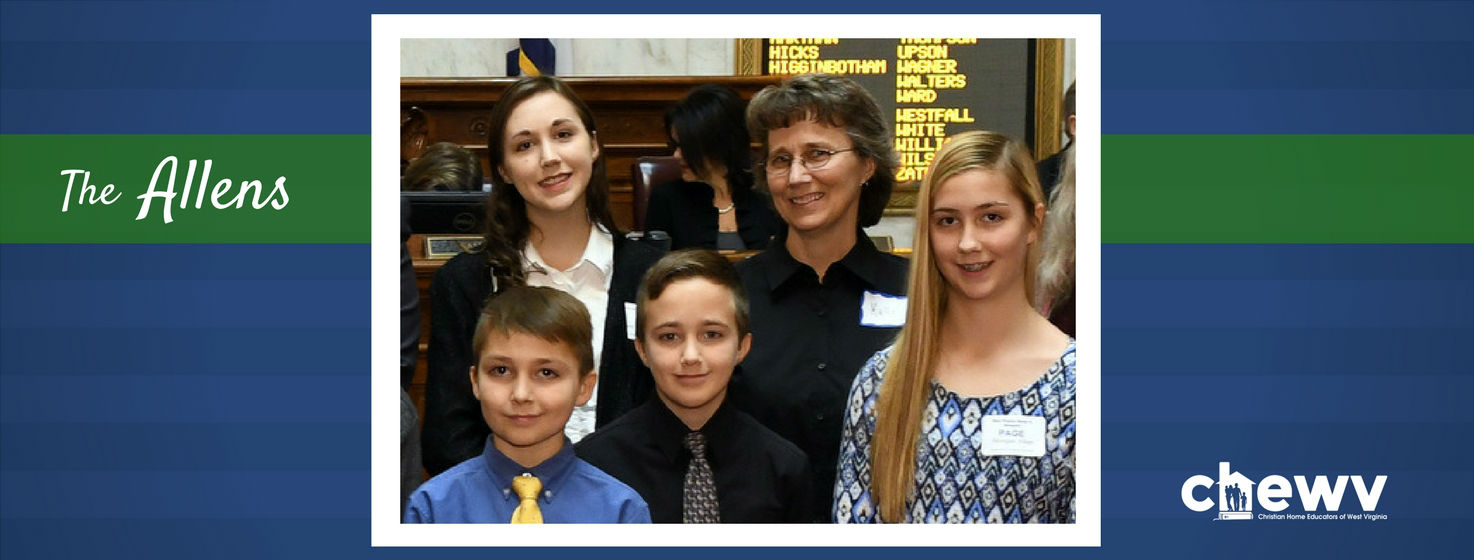
    I would be amiss, however, if I didn’t mention the other opportunities that this day afforded: our kids paged during the House session, participated in the showcase at the Rotunda, toured the Governor’s Mansion, and met the wonderful folks from CHEWV who organized the day for us. Getting involved in the political process has been an eye-opening experience, but overall I can say it has been a good one. We are learning, first-hand, by engagement. I’m reminded of all the proactive homeschoolers who have been in that Capitol fighting for our freedoms for many years before I came along, and I’m sure their path wasn’t an easy one. We are the beneficiaries of their diligent efforts. It is easy for me to take that for granted. It’s given me a different perspective about how we have the liberties that we do today—through their endless efforts, battle after battle, until the sweet victory was won. 

    As a homeschooling parent, it’s easy to just be caught up in the daily demands of our schedules.  But I would highly encourage everyone to attend next year’s Home School Day at the Capitol.  I had never been to our capitol before this visit; it was a unique opportunity that I was happy to share with our kids. We all came away with a better understanding, albeit to a small degree, of how things operate in Charleston. Your presence at HSDC would speak volumes. 

    But if you can’t make the trip, there is always the phone or e-mail. It only takes minutes to contact our legislators to let them know our concerns.  Helen Keller is quoted as saying, “Alone we can do so little; together we can do so much.” With the Lord’s help, I believe this to be true.

    Kelli grew up in Romney, WV and graduated from the local high school where she was quite involved in sports and various clubs. She had never even heard of homeschooling until marrying her husband Walt – who had always wanted to homeschool his kids. So now they are in their 10th year of homeschooling four kiddos, and what a learning adventure it has been for all! Kelli says that the Lord is using homeschooling to teach her humility, patience, discipline, flexibility, and great literature – among many other things! She thanks the Lord for this opportunity to spend time with her kids and prays they will grow to love, honor, and serve Him with their lives.

  • Opened Doors – A WV Legislative Report

    Opened Doors – A WV Legislative Report

    …from Michael P. Donnelly, Esq.

    Staff Attorney
    Director of Global Outreach
    HSLDA

    Despite inclement weather and flight delays, I was delighted to meet this week with some of the highest-ranking legislators in West Virginia to discuss improved opportunities for homeschooling families.  On the heels of Homeschool Day at the Capital, I was joined by CHEWV Legislative Liason, John Carey, as we met with the Senate President, Speaker of the House, Chairmen of both the House and Senate Education Committees, and the Governor’s office. 

    John and I communicated our interest in two pieces of legislation that we expect to be introduced shortly: a bill that would make it easier for homeschooled students to get a driver’s license, and a bill to remove the anachronistic GED requirement for the Promise Scholarship.  We felt the overall response was positive and are optimistic that the legislation will get the needed attention to become law.  With the Governor’s new party affiliation, there is renewed hope that he, too, will be more favorable toward homeschool legislation and less likely to veto it.  Former Senator Mike Hall, a past supporter of homeschool legislation, is the Governor’s new Chief of Staff.

    We had opportunity to discuss SB 528, a bill that caused a big stir last year, with Senate Education Chair Kenny Mann. Senator Mann made it very clear that he had had no intention of creating problems for homeschooling families last session, but that the legislation had not properly addressed specific situations where abusive parents of public school-enrolled students were considering homeschooling to escape scrutiny.  The Senator agreed that this was a rare occurrence and assured us that he supported the right of parents to homeschool, personally knowing several homeschooling parents with thriving children. 

    Delegate Paul Espinosa, Chairman of the House Education Committee, noted continued support of the Tebow legislation that was passed by the legislature last year but vetoed by the Governor.  Chairman Espinosa said he was optimistic that the Tebow bill would pass the Education Committee as well as the House of Delegates as it did last year. 

    A different version of the Tebow bill, SB 130, has now passed out of the Senate Education committee and has been referred to the Senate Finance Committee.  Last year I was able to present a national perspective on equal access laws, such as Tebow laws, to help the Legislature understand the national adoption of these laws. Although HSLDA is neutral on equal access legislation, we follow these proposals closely to insure that there are no unintended negative consequences from their passage. 

    Senator Patricia Rucker and Senator Robert Karnes (Vice Chair of Education) were instrumental in arranging these meetings with key legislators.  Rucker and Karnes are both home educating parents and have been tremendous supporters of our community. Having individuals of their caliber in elected positions in the legislature is invaluable.  We are pleased that Senator Karnes is again bidding for re-election this year.

    In addition to our meetings, Home School Day at the Capitol was a great success for WV homeschoolers.  A representative of Governor Jim Justice commended the attendees for their educational commitment as demonstrated by a willingness to shoulder the additional burdens and demands of homeschooling.  He acknowledged the positive track record of homeschooling and shared the Governor’s warm welcome with the group.

    Advocating for homeschooling freedom is one of the most important things that we at the Home School Legal Defense Association do.  By working closely with state organizations like CHEWV, HSLDA attorneys review and track hundreds of bills that are related to homeschooling.  HSLDA’s new Legislation Action Center makes our advocacy work even more accessible and efficient, and we invite you to check it out.

    It is a privilege to serve homeschooling parents. When we all join together we can protect our freedom and also help each other.  HSLDA serves individual member families with information, advice and legal services.  Your support is essential to our ability to protect homeschooling. If you are not a member, please join us today! 

  • Yes, I’d Like to Make a Difference…

    Yes, I’d Like to Make a Difference…

    …With My Legislator!  How Do I Do It?

    Several approaches serve to connect effectively with your senator, delegates, and governor.  Depending on your personality type, the issue at hand, your comfort level, and the time available, you may prefer personal visits, phone calls, or letters – all useful means of communication for important legislative issues.

    Ultimately, the goal of contacting your legislators is to establish and develop a relationship through which you are able to help them understand issues that pertain to home education.  While they are elected officials, they are not experts in every issue that crosses their desks, and you can help bridge that knowledge gap.

    The Personal Visit

    Face-to-face interaction is generally the most compelling method to convey your message and create a good impression.  The effort to meet in person, even if very briefly, not only allows you and your representative to associate names with “real people,” but is a high-impact way to show your interest as a concerned constituent.  Tips to heighten that impact: 

    Whether Home School Day at the Capitol or some other day, you should call or email to schedule your meeting ahead of time. 

    Be punctual! 

    Go the extra mile to be flexible as well, realizing that representatives and their staffs face increasing demands as the 60-day session moves along. 

    Committee and caucus meetings can arise quickly.  Offer to wait until legislators are available after a meeting.

    Phone Calls

    Calling can also be effective and is often the most practical way to speak to an issue.  The following tips will make your message more persuasive:

    Besides getting your facts in order (bill name and number, legislation language, or county statistics, for example), it’s a good idea to make notes on what you want to say and begin your call by reading your message. 

    If you reach an answering machine, keep your message brief and include your contact information. 

    Make sure to remind your legislator of any previous contact that you have had: e.g., “I appreciate what you said when we last talked in April…”

    Letters

    One well-written letter typically carries more weight than a formal petition with many signatures.  To write a better letter:

    Take the time to express your thoughts in good English.

    Avoid rambling, and do not rail or rant!

    Even in cases where there may be differences of opinion, honor your elected official with courtesy, respect, and proper title.  (See etiquette tips below.) 

    Always include your address and sign your name legibly.

    **You exert maximum influence by addressing your comments directly to your legislator, which is what representative government is about!

    Basic Dos and Don’ts for Any Contact

    Regardless of the communication method, keeping it personal is the best approach:  what do you care about, what is your homeschooling experience, how are your children doing?  It’s best to avoid trying to be an expert on legislation; instead, point out that your family is represented by CHEWV, working with HSLDA.

    Always assume that the legislator worked to get elected in order to do what’s best for the state and his/her constituents.  Express thanks for the many legislative actions that have enhanced homeschooling liberty in West Virginia.

    Avoid a negative message such as being against public education or teachers.  “Sweetness of speech increases persuasiveness” – it’s better, generally, to emphasize what you’re for rather than what you’re against.  If you are willing, invite the legislator to contact you with questions about legislative proposals that may come up during the session.

    Time taken to prepare a bit beforehand will boost your confidence.  Learn about your legislator and about homeschool issues.  CHEWV works to provide resources and links on our website to help you.  However, this need not be exhaustive by any means; don’t let it deter you from participating!

    First, find out a little about your legislator.  What is his or her political party, tenure in office, and on what committees does he or she serve?  You may also be able to dig deeper and discover how your representatives tend to vote on homeschooling and other educational issues.  Besides a brief biography on each senator and delegate, a list of the committees on which all serve is available on the West Virginia Legislature website: http://www.wvlegislature.gov/

    Second, familiarize yourself with basic questions about homeschooling.  Your legislator will likely have many of the same questions that other people ask when they learn you homeschool your children, including questions about socialization, academics, or testing.  Don’t assume your legislator is antagonistic when he asks questions.  He or she may simply be trying to learn more about the issue!

    Also, don’t be surprised if it appears you are more knowledgeable than your representative.  Should a question arise to which you do not know the answer, don’t hesitate to admit your lack of knowledge.  Be willing to pursue the answer and report back.  No one can be expected to address every question or matter of concern regarding a specific topic or problem. 

    Again, emphasize the positives of your own experience and be ready to share personal examples of how particular laws/regulations/legislation affect you or your community on a local level.  Finally, be respectful and as appreciative possible while stating your concerns or position. 

    Basic Etiquette When Addressing Your Legislator

    * Address your Senator or Representative properly.  When addressing them on the phone or in person, use their office title and last name. When writing letters, use the salutation: Dear Senator Smith/Delegate Smith… and close with Sincerely yours or Respectfully yours … 

    * Identify yourself immediately upon each contact.  Public officials meet too many people to remember everyone!

    * Don’t debate with a legislator or give ultimatums such as, “I won’t vote for you if you do not support my position.”  Respect the legislator’s right to disagree with you.

    *If you are communicating regarding a specific legislative issue, find out  the current status of the legislation. Has it been referred to a committee?  Is it in committee?  Is it on the floor for a vote?  What reading (first, second or third) is it on?  Whenever possible, refer to a bill by number.  You can easily find all of this information at https://www.heritagecwv.org/active-legislation/ using the “track bill” link option.  Or go directly to this page:  http://www.wvlegislature.gov/Bill_Status/bill_status.cfm  Simple!

    * Use your own words.  Express your position clearly, yet avoid being an ever-critical, opposing voice if you possibly can.

    * Be brief and explicit, courteous and reasonable.  Make the most of each opportunity to be a witness by presenting a positive, God-honoring attitude.  Maintain this attitude with both legislators and their staff!

    *Don’t apologize for taking his or her time.  If you are brief and to the point, they will be glad to hear from you.

    *Don’t begin any communication with the phrase, “As a citizen and taxpayer.”  Your elected representative knows we all pay taxes.

    * Be a good listener and hear out what your legislator has to say on the issue, but don’t make notes of a conversation while talking to a legislator.

    * Don’t send copies or form letters unless you have taken the time to include a personal note.

    *Always thank the legislator for taking the time to hear your position.

    *Always follow up with a written thank-you note and amplify your main points.  It can be appropriate to have an addressed, stamped note card ready to write immediately after the visit/call.

    * When your legislator goes the extra mile to be supportive, you may consider acknowledging his or her efforts by writing a letter to the editor in your local paper.

  • Is HSDC Still Important?

    Is HSDC Still Important?

    You’ve already braved the weather, taken the tours, attended the session, and spoken with your delegates and senator in previous years. Why spend another day doing it again?

    If you are interested in protecting the freedom of parents to home-educate their children, then participating in Home School Day at the Capitol is extremely important.  The 2018 session of the legislature starts January 10th. Home School Day at the Capitol follows on January 16th, intentionally early in the session so that the presence of your family may thwart any homeschool-negative legislation.   

    Many well-meaning legislators think that more and stronger laws for homeschoolers would fix what they view as problems.  Too often, however, the problems they perceive are based on false, anecdotal “evidence.” Visiting with home-educating families gives legislators real-life, positive examples of homeschooling while offering them the opportunity to discuss their concerns. Answering their questions with kindness and prudence in an informed manner can be what dissuades them from supporting harmful legislation.

    Your presence can also positively affect any beneficial legislation that CHEWV hopes to introduce this session. Many legislators have never met a homeschooling family. They may not understand how current West Virginia law negatively impacts homeschooling students.  Issues like the TASC requirement for Promise Scholarship eligibility and unnecessary driver’s license hurdles need to be addressed in the legislature. A visit from your family may be the deciding factor in their support of an important bill.  Further, the development of a good relationship with your delegate and senator prior to the introduction of legislation may help keep the doors of communication open in the event of other issues arising.

    Finally, many delegates and senators may simply not understand why the ability to homeschool is so vital to West Virginia families. Whether you homeschool due to religious reasons, bullying, problems in the school system, feeling your children were falling through the cracks of the public school, special needs, or a myriad of other concerns that caused you to make the necessary sacrifices to educate your children at home, our representatives need to hear from you. They need to get to know us. They need to have their concerns addressed, and they need to see that we care about educating our children.  Then they may better understand how the laws they pass, and the rules made by other state agencies, affect homeschooling. You can make a huge difference.  Mark January 16th on your calendar now, and add your voice and presence to those of other CHEWV families!

  • Tips For Lobbying State Legislators

    Tips For Lobbying State Legislators

    It’s Simpler Than You Probably Think

    by John Carey, CHEWV’s Legislative Liaison

    Visiting the State Capitol

    When visiting the State Capitol, make sure to drop by your representatives’ offices and introduce yourself and your family. A simple meeting, in and of itself, has value to support homeschooling even if you are not lobbying for a particular issue.

    If your representatives have time, ask them where they live, how long they have been in office and if they enjoy serving. You may find that you have the same friends as well as other things in common. Come prepared to tell them why you chose to homeschool and why you like it.  Be brief, recognizing they may be busy with little time to talk. 

    I like to mention that when we began homeschooling, we decided year to year if we would continue, until one day my ten-year-old daughter Vicki was excitedly telling her friends about the characters in a book that I had read for the first time in college. I was stunned that she and her friends had already read the book – and could see that she was way ahead of me at the same age.

    Making a Difference Back at Home

    We are fortunate to have a citizen legislature. citizen legislature is a legislative chamber made up primarily of citizens who have a full-time occupation outside of being legislator. Those who represent us in Charleston live and work among us most of the year.  Therefore, we not only have the opportunity to meet with legislators in Charleston during the two-month regular session, but also during the remainder of the year when they are living in or near our home towns.  This is our bigger opportunity to make concerns heard and understood, and to put a face on our issues. 

    There is an increased urgency to get to know legislators this year than in the past because there has been such a high percentage of turnover in recent years. At least 20 percent are new to the job of representing constituents, and just about as many are new to homeschooling.  On an encouraging note, more legislators than ever either homeschool themselves or have grandchildren who are homeschooled.

    Lobbying is simply influencing our legislators.  A citizen legislature provides many opportunities to influence both in Charleston and at home.  Let’s make the most of the opportunities that our West Virginia state government provides by coming to the Home School Day at the Capitol this year.  Here is a link to learn more.

  • Why WV Homeschoolers Make Good Lobbyists

    Why WV Homeschoolers Make Good Lobbyists

    by John Carey, CHEWV’s Legislative Liaison

    With an excellent reputation at the Capitol, members of Christian Home Educators of West Virginia have been consistently rated by past state legislators as very effective lobbyists.  The last two elections, however, have created an influx of new legislators, including a significant number who know little about homeschooling. Home School Day at the Capitol is the ideal opportunity to highlight homeschooling accomplishments to these new legislators.  It’s usually possible to schedule lobbying appointments, and as an assembled group we can express our appreciation for past support from those who come to address us at the afternoon rally. 

    While homeschool students can communicate the value of home education, their parents wield impressive influence as well.

    1.  Home educators are committed to the truth.

    Christian parents who educate their children at home are strikingly independent thinkers who seek to draw their conclusions from well-founded facts and principles.  Their tenacious commitment to truth stands in stark contrast to the moral relativism and political correctness of the culture around them.  They care not only what their children are taught but how they are instructed, and they take seriously the responsibility God has given them to educate their children.  Governed more by what God says than what man thinks, they cannot be persuaded to support legislation through emotional arguments.  They must be convinced by clear, substantial facts before taking action, but once an issue is determined to be important, they persevere until their views are heard by those who represent them in Charleston. 

    2.  Homeschooling parents are skilled and talented educators.

    They are problem solvers who are focused on enabling their children to learn and retain information, not simply “finish the book.”  Through homeschooling, parents develop their own skills by nurturing their students’ abilities.  When these parents choose to engage the legislative process, their honed interpretive skills and instructional knowledge often bring an invaluable information resource to the legislative community. Some parents make phone calls while others are willing to meet representatives personally.  Some help teach other home educators or write articles for local newspapers.  Although our opposition has tried to cast us as “that isolated family up a holler,” they could not be further from the truth.

    3.  Home educators put a face on the issues they support.

    Home educators live in every county and attend hundreds of churches throughout West Virginia.  It is true that, when needed, hundreds of homeschooling parents and their children will fill the State Capitol to express their views in person.  But there are many more who contact their legislators from their home district.  They make it clear that the folks back home care about homeschool legislation and are closely following the actions of their representatives.  They also meet with legislators when they are not in session.  These parents become the face of homeschooling everywhere. 

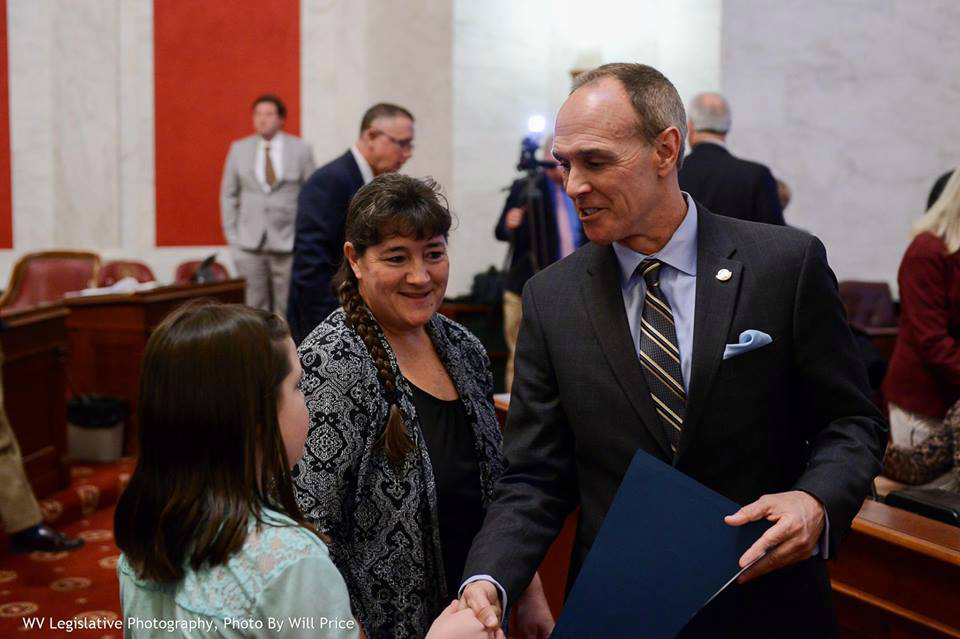
    The Frame family meets with Delegate Brent Boggs at HSDC.

    In conclusion:

    Yes, home educators have been applauded by state leaders for being effective lobbyists.  First and foremost, Christian parents who homeschool are known to tenaciously support what they believe to be true and morally right.  They are not only people of conviction but talented individuals who become increasingly skilled and competent each year.  Finally, these individuals live in the same districts as those who debate and vote on these issues.  Their proximity enables them to put a face on the legislation, something that agents of the state and paid lobbyists can’t do.  What better opportunity than Home School Day at the Capitol to put these skills to use?


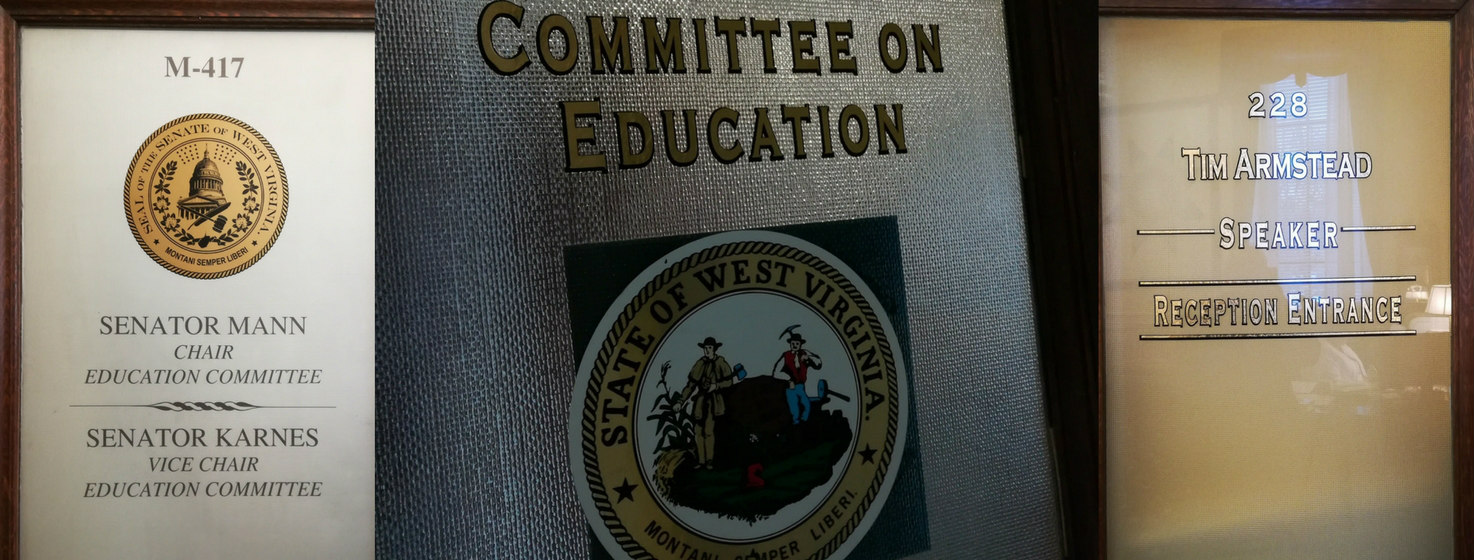
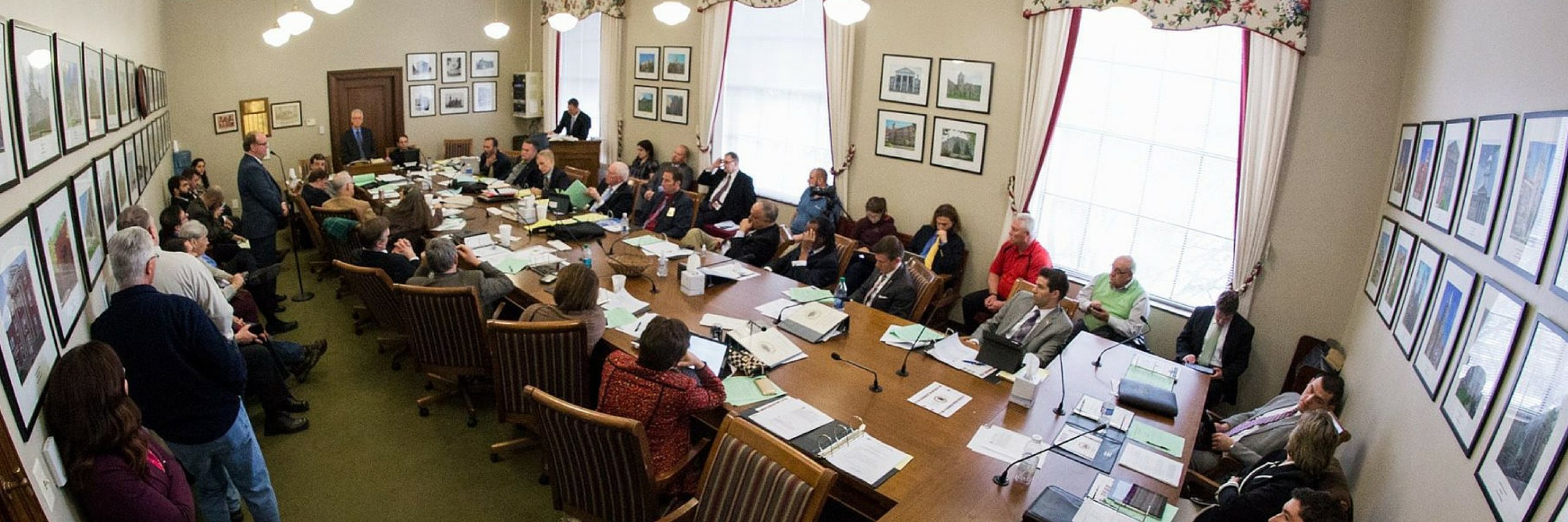
    Header photo:  REACH families greet Speaker Tim Armstead at HSDC.


  • Celebrating Veterans Day

    On November 11th, we will have opportunity to teach our children about patriotism, service, and sacrifice. As a veteran Marine, the daughter of a Marine, and the wife of a retired Marine, I have learned that the most important thing a family can do for Veterans Day is to learn about and honor our veterans.

    Veterans Day originated as Armistice Day on November 11, 1919, one year after the end of World War I.  Dubbed the Great War because of the unprecedented damage done and lives lost, the first anniversary of its end must certainly have been a celebration, but also bittersweet as millions of homes worldwide had empty chairs around the dinner table.

    In 1926, Congress passed a resolution for an annual observance of Armistice Day, and twelve years later November 11 became a national holiday to honor the veterans of WWI.  Then, in 1954, the name was changed from Armistice Day to Veterans Day, becoming a day to celebrate all who have served our great nation.

    The best way we can honor our veterans is to ask them their story of service. Many serve because they feel called to something greater than themselves, and this is a great way to hear why and when they served.  For many Christian veterans, their story of service is an important part of their testimony. Serving in the Armed Forces tests one’s fortitude, resiliency and ability to overcome many hardships.

    Acts of kindness, parades, and visiting Veteran Memorials are great ways to celebrate this holiday, but sometimes just meeting the veteran neighbor next door, in church or even in your family is enough. This day can incite traumatic memories for many veterans, but with the encouragement of their community, they can feel recognized and appreciated. Sharing a meal, a card, a flag, or a conversation can make a difference in their day. It can also open the door for us to share our faith with them.

    Veterans have a pride for their country that comes from the tradition and regiment they developed daily while preparing for war. One aspect of this tradition is the flying of the American flag; our flag flying at home and abroad is a sign of victory for them. Display an American flag on this day and others to show respect for those that have served, and teach your kids to respect and honor our flag.  “For in the name of our God, we will raise up our banners.” (Psalm 33:12)

    Furthermore, teach the history of America and its flag from the battle of Fort McHenry to today. Take them to places like Washington D.C. and to memorials such as the National Marine Corps Museum, Fort McHenry, Gettysburg, and other national battlefields. You can also learn about the veterans of America by visiting your local Veterans of Foreign Wars and American Legions.

    Remember, God has put us in our communities to honor Him and grow in His love, and on this national veterans’ holiday, we can share that love with those who have served.

    Editor’s note:  If anyone would like to send cards or care package items to those currently deployed, Les and Gina Payton have offered to help get you connected or to collect items to send.  You can reach them at popsusmc@gmail.com.

  • HSDC – A Blessing and Responsibility

    HSDC – A Blessing and Responsibility

    Homeschool Day at the Capitol – A Blessing and Responsibility

    Undeterred by the historic winter storm Jonas, homeschoolers from around West Virginia converged on Charleston for Homeschool Day at the Capitol on January 25th, including a number of parents with children and babies in tow who joined us for the first time.  The day offered a valuable opportunity to connect with state legislators, meet new homeschool families, and showcase the musical talent of our homeschooled children.  But for some of us, the highlight of the day was observing the House Education Committee meeting, which focused on legislation advocated by CHEWV, the Homeschool Modernization Bill.

    Watching the House Education Committee discuss the Homeschool Modernization Bill was both a fascinating and frustrating glimpse into the democratic process.  For much of the hour-long meeting, Monongalia Delegate Brian Kurcaba, the bill’s lead sponsor, along with the committee’s legal counsel, explained the purpose of the bill and fielded questions from other legislators.  By the end of the meeting, we drew three lessons:

    It’s important to show up.  Woody Allen famously said that 80 percent of life is showing up.  In the state legislature, at least, showing up has an impact.  At the House Education Committee meeting, homeschooling families filled every available seat for the public and stood along the walls, overflowing out of the room.  After the meeting, families expressed their gratitude to supportive legislators, and respectfully addressed misconceptions by opposing legislators.  Our presence was impossible to ignore, and it sent a message.

    We still have work to do.  Despite a growing and uncontroverted body of empirical research showing the holistic merits of homeschooling, many legislators expressed remarkable ignorance about our constitutionally protected educational choice.  We heard tired stereotypes about socialization, irrational fears about truancy, and unsupported claims about teacher qualifications, among other disappointing comments.  Thankfully, within the committee itself, these views represented the minority position. The minority, however, was vocal, and it reminded us that we all must stay engaged in the democratic process by communicating our views to legislators and making well-informed decisions about voting.

    CHEWV is making a difference.  Apart from the legislators and the committee’s counsel, only one other person was recognized to speak at the House Education Committee meeting:  John Carey, CHEWV’s legislative liaison.  John, representing CHEWV and the state homeschooling community with great poise and effectiveness, has played a significant role in advancing pro-homeschool legislation for over 15 years.  CHEWV’s active involvement in Homeschool Day at the Capitol has also bolstered support from other legislators.  For example, at last year’s event, we joined fellow Harrison County CHEWV members to meet one of our local Delegates, Patsy Trecost.  We introduced ourselves, took pictures and encouraged Delegate Trecost, a Democrat, to support our pro-homeschool legislation.  Delegate Trecost voted for our legislation in 2015.  This year, he not only co-sponsored the modernization bill but also enthusiastically greeted homeschool families at the rotunda during our afternoon event.

    Overall, Homeschool Day at the Capitol was, once again, a memorable and worthwhile experience.  We all enjoyed observing the legislative process and fellowshipping with other homeschool families throughout the day.  It reminded us of both the blessing and responsibility of living in America.  It also made us look forward to the day when, God willing, some of the seats in the legislative chambers will be filled by homeschool graduates!

  • Home School Legislation Advances!

    Members of the House Education Committee Stuck in the Past!
    Update: Rescue Attempt Successful!


    Some legislators have been rescued.  More help will be needed.
    ​The Home School Modernization Bill, HB 4175, was passed on a voice vote yesterday in the House Education Committee. Your calls and emails made a big difference. Several Delegates, who on Monday were active in opposition to many of the provisions of HB 4175, voted on Wednesday to support it and even pulled their support from amendments that would have seriously harmed the legislation.

    The bill was reported to the House floor with recommendation that it “do pass.”  It advances to First Reading on Friday, Second Reading (the amendment stage) Monday, and third reading on Tuesday when it will be decided if it passes and moves on to the Senate.

    There were only two changes made to the bill. First, technical changes were made clarifying the original purpose; and second, the committee reinserted the requirement that a parent report their test or portfolio results in the 3rd, 5th, 8th and 11th grades. Testing or a portfolio assessment will still be required each year (but does not have to be reported in the “off” years).

    Many home schooling families learned of the Hornbuckle and Purdue Amendment on Wednesday evening through Heritage Communications of West Virginia’s Facebook page. These families responded immediately with many emails expressing their opposition to the amendment and the concepts expressed in it.

    The amendment was as follows:

    The State board shall develop guidelines for diversity instruction for homeschooled children which provides the child either through social interactions through public school visits or other activities or social interactions that facilitate exposure to other races, religions or belief systems that permits the child to become exposed to the cultural diversity of his or her community, to enhance social skills and tolerance for others with different beliefs or backgrounds..

    Only two delegates voted for the amendment: Delegate Hornbuckle and Delegate Blackwell.  (This amendment did NOT pass.)

    This story needs to be discussed further, especially in light of the fact that the Charleston Gazette has picked up Delegate Hornbuckle’s theme on the editorial page of the paper 1/28/16.

    Please keep your stories of success coming into your legislators. Ask them to support HB 4175. The bill will be on the Amendment Stage on Monday and up for a final vote on Tuesday.  If the Modernization bill passes on Tuesday, the next stop will be the Senate Education Committee.

    The Home School Promise Bill (HB 4215) is expected to be discussed in House Education early next week.

    The full text of these bills can be read on the WV Legislative website.

    For more frequent updates, please connect with us on facebook at www.facebook.com/hcwva.