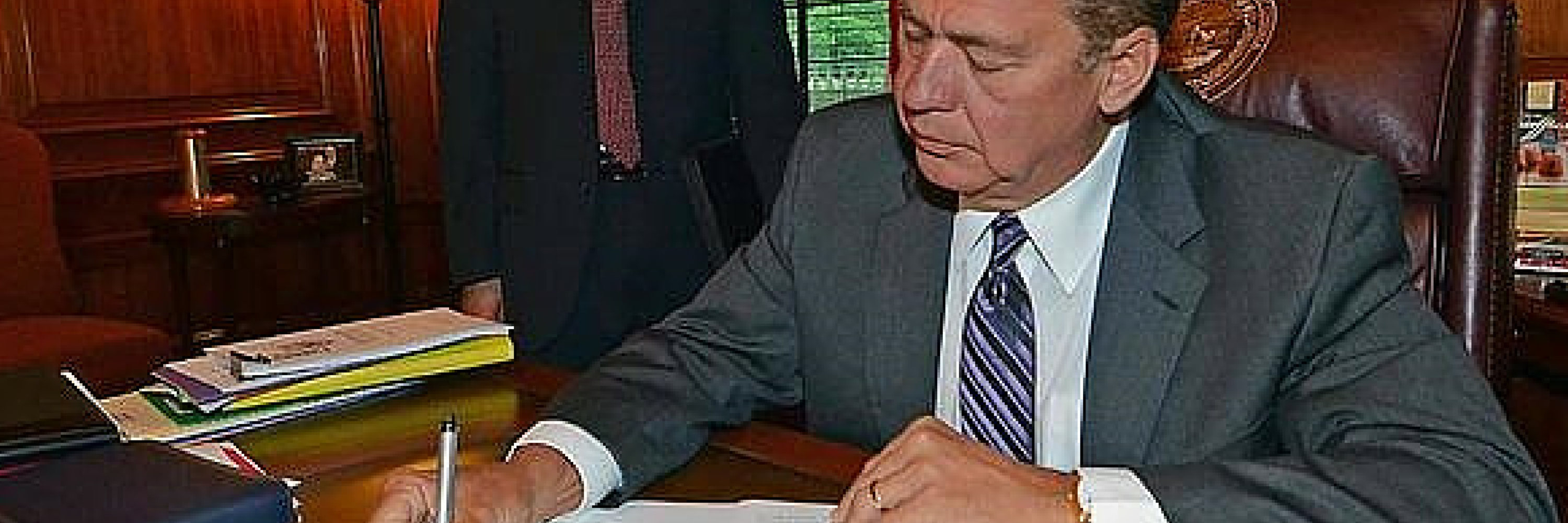
HB 2674 and HB 2793 were vetoed by Gov. Tomblin one day before the 15 days required time for passage. HB 2674 (Promise Scholarship) would have assured homeschoolers and public school students had the same requirements when applying for the Promise. Currently, homeschoolers have the added burden of passing an additional test – the GED. The GED has long been seen as the “drop out” test and homeschoolers naturally would like to avoid this stigma. In Gov. Tomblin’s veto he gives the following reason:
“Eliminating the requirement that home schooled students show mastery of certain subjects, rather than simply complete a course of study,provides an unfair advantage of those students to receive a PROMISE scholarship. It could also create an incentive for some students to drop out of the public school system if their performance does not meet the required GPA standard to be eligible for the PROMISE scholarship. I believe this type of advantage was not intended when the Legislature created this merit-based program. Therefore, I disapprove the bill.”
HB 2793 (Homeschool Modernization) would have given WV the same homeschool laws that almost all other states have passed within the last 10 years. Over the years many have realized that the burdensome requirements placed on homeschoolers is unnecessary. Particularly offending in the current WV law is the bar of the 50 percentile requirement. Homeschoolers are held to a much higher standard than public school counterparts. In Gov. Tomblin’s veto he gives the following reasons:
“The bill eliminates several requirements associated with the provision of home instruction to children that are necessary and appropriate. First, the bill eliminates the requirement of two weeks’ notice to remove a child from public school for the purpose of commencing home instruction. This is important to ensure there are no underlying issues associated with truancy or other attendance problems. Second, the bill removes the requirement that a plan of instruction be submitted annually. This requirement helps ensure that a home schooled child will receive adequate instruction each year to develop at a rate comparable to his or her peers, beyond an annual assessment to take place after the school year. Third, the bill eliminates the prohibition on permitting a child’s legal parent or legal guardian to administer a nationally normed standardized achievement test for purposes of the annual assessment. This prohibition protects a parent or legal guardian from any appearance of impropriety or conflict of interest in such a testing situation. Finally, the bill eliminates the provision requiring a parent or legal guardian to pay the cost of an academic assessment that takes place outside of a public school. This leave 18-8-1 of the West Virginia Code unclear as to who or what entity is responsible for paying the costs of the annual assessment.”
It is clear in both vetoes that the governor did not take into consideration the hours of committee meetings in both Education and Finance that were held to address the details of the bill. We also note that both houses passed these bills almost unanimously – minus one negative vote.