Category: Pre-school

  • Kinesthetic Academics for Children Four to Six

    Kinesthetic Academics for Children Four to Six

    Science:

    • Daily “calendar” time with date, day of the week, weather, and season.
    • Playground time – giving them active experiences with
      • fulcrums: see saw
      • lever arms: see saw
      • centrifugal force: merry-go-round
      • pendulum: swing
      • inclined plane: sliding board
    • Zoology at the zoo or in nature: birds, ants, squirrels, deer, pets, chickens, etc.
    • Botany via a garden – yours, Grandma’s, or the neighbor’s; at the arboretum or a local botanical garden; or when the leaves fall in winter (deciduous trees), as wild flowers emerge throughout spring and summer, and while planting/observing/caring for house plants.  Learn to observe, identify, water, and prune.  Teach them not to pick wild plants so that they can proliferate.  

    Health via healthy habits:

    • tooth brushing
    • hand washing
    • bathing
    • clothing care
    • precautions in public places, especially restrooms
    • nutrition via healthy eating, understanding the food groups, and hydrating

    Math:

    • Patterns—with laundry sorting, table settings, and putting toys away
    • Order—by completing a short list of chores
    • Identifying shapes—through signs while driving, dishes while setting the table, by playing I Spy (“I spy a circle on the table”), or by reading shape books from the library
    • Counting money—in the piggy bank, in their play store, or when receiving money for their birthday
    • Understanding time by setting a timer for activities—like “Let’s pick up the living room for three minutes!” or “See if we can beat our last time record for putting the blocks away!”
    • Direction sense—by talking briefly about heading north on the interstate or going south to visit Grandma.  Provide a simple map to color.
    • Comparisons—by talking about things that are larger/smaller/taller/shorter than other things or measuring with rulers: “This is about two rulers tall.”
    • Use a simple map to together trace the path of the Ingalls family while reading the Little House books aloud.
    • Make a simple column graph with increments representing dollars. Color further up the column as they make deposits in their piggy bank or real bank.
    • Open up a savings account together at the local bank.  Make a child-friendly savings book and help them record periodic deposits, perhaps with a column chart as described above.
    • Play games like Sorry or Trouble.  Patiently teach them to wait their turn, finish what’s started, move in the proper direction, recognize the numbers, count the spaces, and cheer for the other players (good sportsmanship).  You can even use the cards for flash cards a few weeks before playing.  Or limit the cards to numbers they know.

    Social studies:

    • See map overlap in the math section above.
    • Arrange a fun visit to the fire station, police department, and nursing home.
    • Visit child-friendly museums and historical locations.
    • Visit state parks.
    • Visit grandparents and briefly talk about when they were born, adding in a few historical details like the first landing on the moon when Grandma was little.  Make a picture time line to note these occasions in order.
    • Watch historical movies that are preschool-friendly to link simple history to a time line.  For example, the Little House movie, Sarah Plain and Tall, Miracle on 34th Street, or the American Girl movies.  Cut out pictures from each movie (found online) and play a game where they put the pictures in chronological order.  Add pictures of parents and grandparents if you want, or even other historical events.  You can also do this with historical fiction characters from books you are reading aloud.
    • Celebrate holidays like Veterans Day and the 4th of July.  Help children understand the significance in child-friendly ways—like putting up a flag, coloring a flag, going to a Veteran’s parade and having their pictures made with veterans.  
    • Go to Home School Day at the Capitol.  Take the tours.  Prepare home-made cards to take to legislator’s offices.  Practice manners for the secretaries and staff (friendly smiles, eye contact, and “It’s nice to meet you”).  
    • Point out and discuss road signs like ‘yield,’ brown landmark signs along the interstate, white historical signs on older roads, ‘stop,’ speed limit signs, and the like.  
    • Take your children to visit someone in the hospital.  Discuss the purpose of a hospital, how germs spread and how we can take precautions, and how to be pleasant to someone who is not feeling well.  Notice the doctors, nurses and other staff.  Be polite to all.
    • Teach courtesy to older folks—church is a good setting to practice.  Teach them to be physically careful around older people to prevent falls, but also to greet them to help them feel valued. 
    • Introduce a map with the continents. Post on the fridge and identify a different continent every week.  

    Pre-reading:

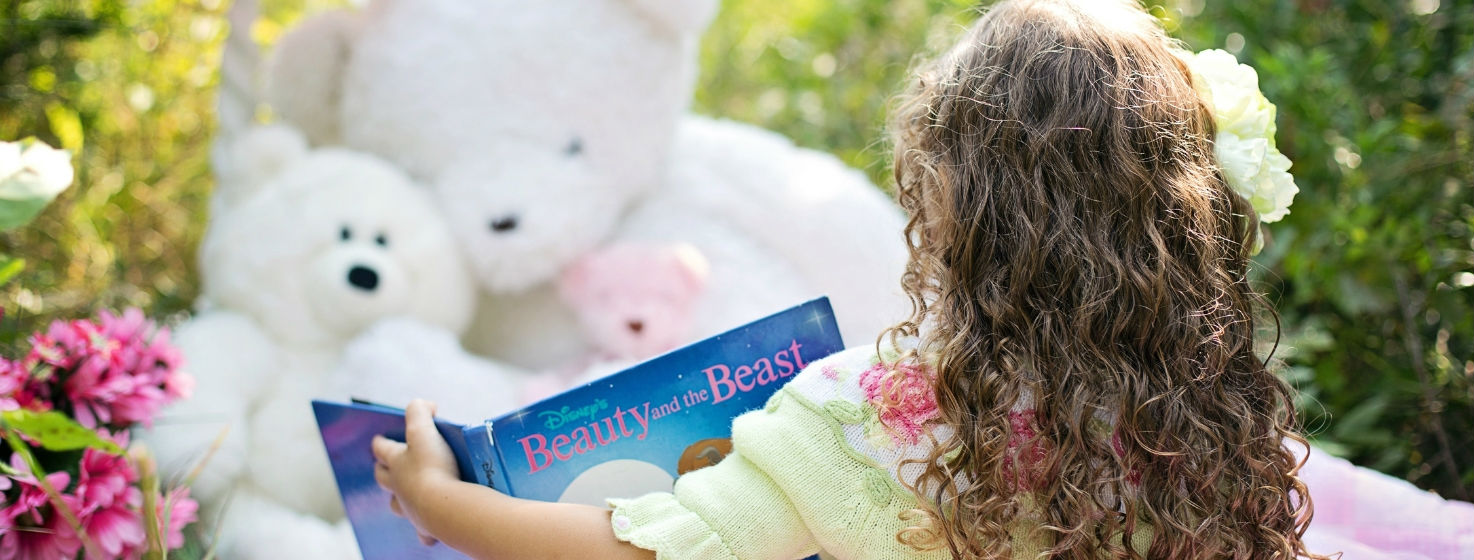
    • Take bi-weekly trips to the local library to check out 2-3 books.  Read these books aloud at special times.  Keep them in a basket by the door and return them promptly in good condition.
    • Start a small library of your own with a shelf of books that your child especially enjoys.  Give books for birthdays, Christmas, etc.  Learn to care for them by replacing them on the shelf, not creasing them, not throwing them, etc.  
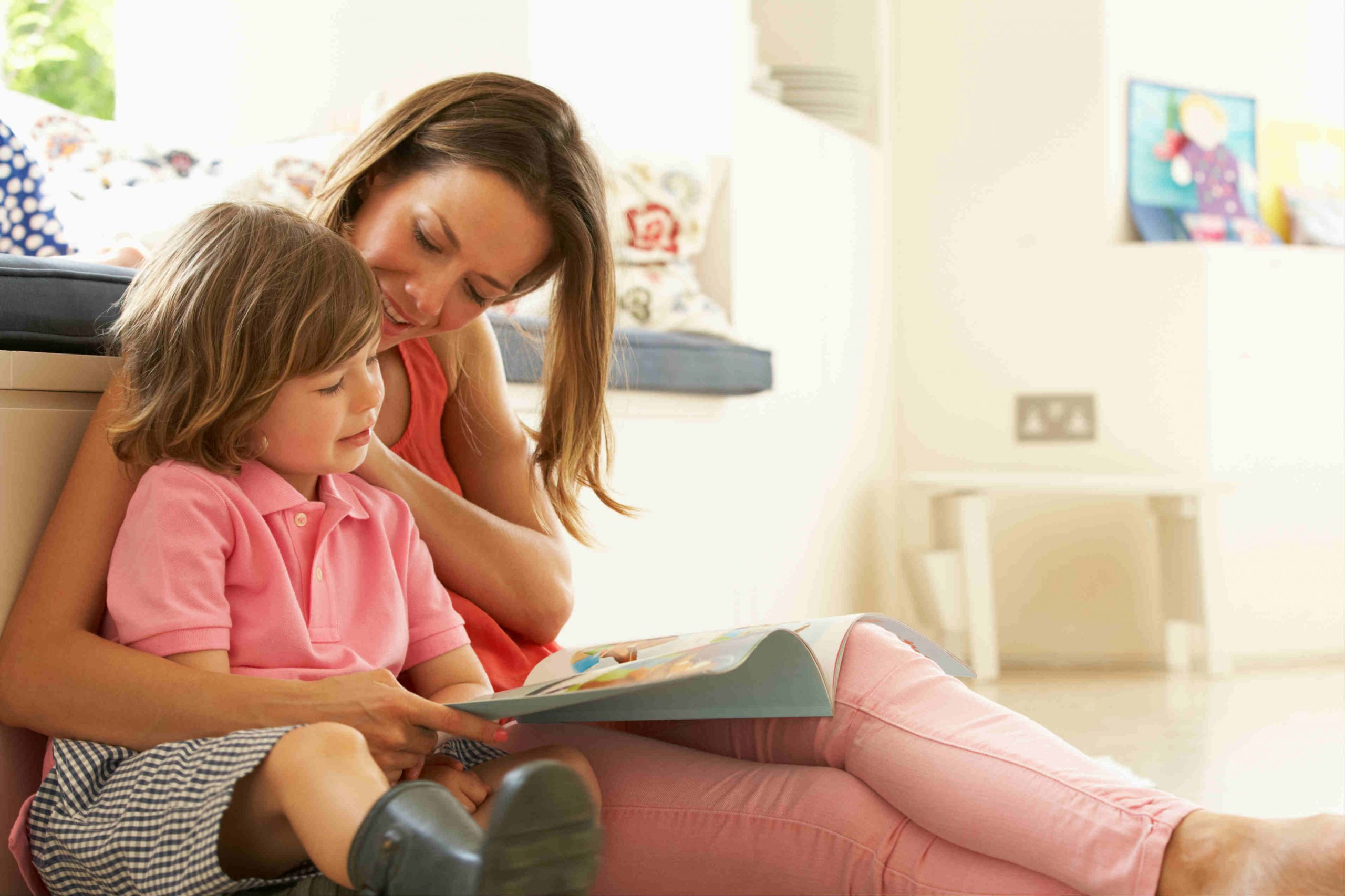
    • Read aloud every day for a short period.  Include books that expand their academic horizon, such as books about historical time periods, animals, or such things as airplanes, trains or trucks.  Make it fun!
    • Demonstrate reading.  Let them see parents who enjoy reading and studying.  If your own father or grandfather has a library, let them visit and talk to him about his favorite books.  Talk with other readers about their favorites – especially their favorites at your child’s age.  Borrow those books from the library!  
    • Color pictures that have to do with events.  Dover coloring books are good choices!
    • Provide a variety of dress-up clothes to encourage play-acting of historical periods, e.g. sunbonnets for Little House or squirrel tail caps for Daniel Boone.  This will be fodder for writing stories later on.
    • Write for them.  Encourage them to think of what to say to Grandma while you write it down for them on a card.  Have them sign their name, stamp the envelope, and mail it at the post office themselves.  
    • Listen to audio stories or audio books.  (Audio encourages them to imagine the scene in their heads – opposed to videos where it’s all passive.)

    Brain development:

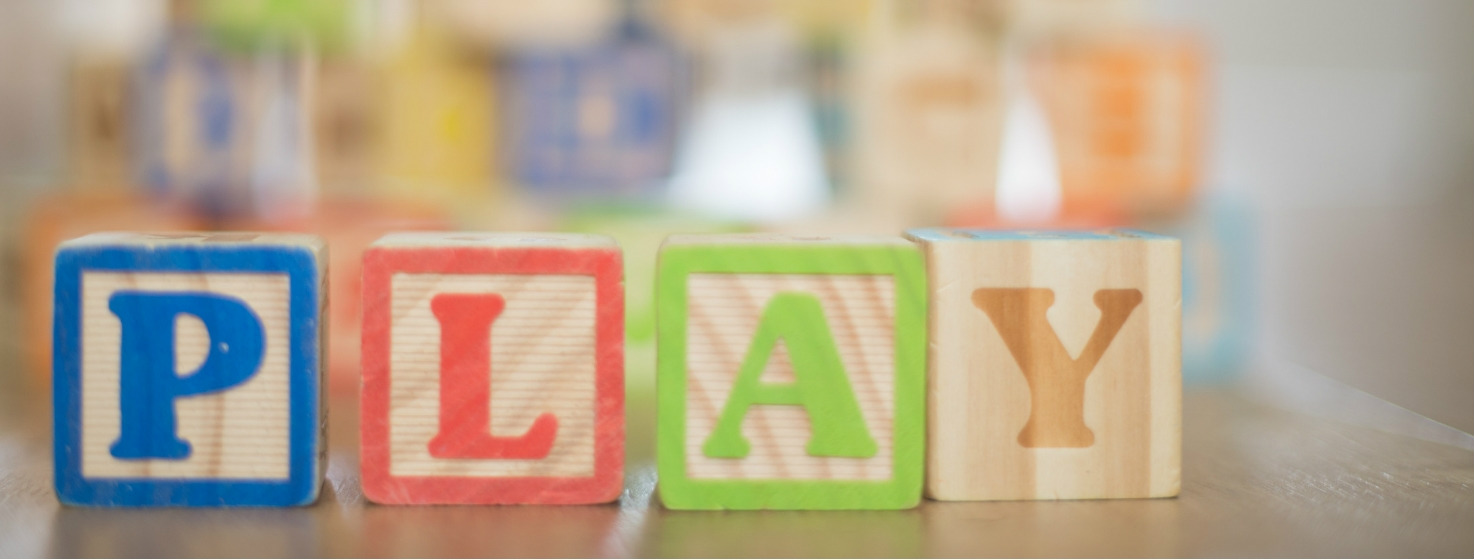
    Research indicates that active play in the preschool years is essential for good brain development!  Rolling down the hill, sled-riding, playing outside, swinging, turning circles (Ring around the Rosy?), playground play, and other active play helps prepare children for later academics!  

    It’s also important to provide a learning environment, but not overly direct the activities. Remember, you want to feed their imagination, yet welcome “play.”  Above all, you want learning to be fun.  Play should merge with learning seamlessly!  

    Other learning toys:

    • play store
    • blocks/Lincoln logs
    • play rakes, brooms, shovels, etc
    • historical paper dolls
    • scissors, scrap paper, and other easy crafting supplies
    • lacing cards
    • Candy Land and other preschool-level games

    Don’t forget shelves and bins to house all the toys and supplies.  Cleaning up after each use is also valuable learning! 

    Enjoy!  These years are a short season of wonder and fun—and essential brain development through active “play!”

  • Is Your Kindergartner Struggling…

    Is Your Kindergartner Struggling…

    …With Reading?

    Many parents find that their five or even six-year-old child experiences difficulty in learning to read.  After exhausting multiple educational approaches and curricula without success, they may worry they aren’t capable of homeschooling effectively, or wonder why their child isn’t progressing “normally.” What’s a parent to do? 

    Parent and child may not be the problem—the expectation that children should learn to read proficiently by age six is.

    As recently as the 1980’s, reading was not regularly taught in WV kindergartens.  Kindergarten was an entry-level program, a mere half day of school, that served to transition students into the classroom and help them to love being at school.  Several veteran kindergarten teachers share that their goal was for their students to love learning and feel successful in their progress.  Although early concepts were introduced, basic reading skills weren’t taught, or expected, until first grade.  Further, proficient reading wasn’t expected until second grade.

    A piano teacher with over 40 years of experience reports that while only a handful of students are visually ready to distinguish written symbols before age 7, nearly all children benefit from waiting until that process is no longer tedious.  While a younger child may be able to progress before age 7, it’s only after age 7 that their progress becomes faster and much more enjoyable.  

    As reported in this article, the left brain, whose functions include language, numeracy and literacy, doesn’t fully come online until seven years of age.  While society is left-brain dominant, children at young ages are not.

    Experts agree that pushing children to read early often causes long-lasting feelings of inadequacy, anxiety, and confusion.  Merely waiting until they are more ready can provide them with confidence for a lifetime!  

    So why do we push our children when they are only four or five?  We have bought into the lie that if our children aren’t good readers by age 6, they are somehow deficient.  This just isn’t true.  

    In addition, we have devalued the many things that children usually learn at ages four, five and six. Many foundational experiences that we lump under the label “play” are actually essential learning opportunities.  We educationally deprive our children when we reduce their creative play time and instead sit them in front of screens or at desks, thinking that we’re helping them by providing computer games and early academics.

    Early academics can and are beneficial—if we define ‘academics’ very differently.  What if, instead of early reading expectations, we focused on developmentally appropriate, and equally essential, academics instead?  For a list of possibilities, click here.

  • Comparing With Finland’s 1st Graders

    Comparing With Finland’s 1st Graders

    According to the Stanford News, 65 countries/economies were ranked in the Program for International Student Assessment in 2009.  Finland ranked high: 6th in math, 2nd in science, and 3rd in reading.  In the same year, U.S. students ranked 30th, 23rd, and 17th, respectively.

    Clearly, Finnish students are out-performing American ones.  Is this because they are getting an earlier start? 

    Actually, no. Finnish children do not begin first grade until they turn 7.  Many Finnish first graders begin school without any formal reading instruction at all.  Yet they appear to excel beyond our students, despite our decades of HeadStart, preschool, and kindergarten.  While our first grade students are usually 6, theirs are 7. 

    According to this article, researchers at the University of Virginia analyzed survey responses from American kindergarten teachers between 1998 and 2010. “Almost every dimension that we examined,” noted the leading researcher, “had major shifts over this period towards a heightened focus on academics, and particularly a heightened focus on literacy, and within literacy, a focus on more advanced skills than what had been taught before.”

    Not so for 6-year-old Finnish kindergartners!  They spend the majority of their day playing!  Primarily exposed to just pre-reading, they learn through play, thus developing a love for learning.  And it works!

    While most Americans are scrambling to have fluent readers by age 5, homeschool parents have the freedom to teach their children differently – and to follow the example of Finland should they so choose.  They can use the early years to instill a love of learning!  Rather than studying butterflies, homeschooled preschoolers can observe them outdoors or in a conservatory.  Rather than studying about plants, they can help care for their own. They can be taught to notice the weather, the seasons, and the length of daylight throughout the year.  These are all science concepts – taught naturally through fun observation.  Delaying formal academics does not mean the absence of learning!  On the contrary, natural and relaxed learning has the potential to set a solid foundation for all the education to follow.

    For ideas about natural learning in the early years, including ideas for individual subjects, see our article here.

  • Everyday Learning for Littles – Birth to Age 5

    Everyday Learning for Littles – Birth to Age 5

    By Shannon Messenger, Early Learning Specialist

    Some of the best learning your child does occurs everyday in his/her home environment. By talking to and with them, doing chores with them, reading to them, explaining things to them and allowing them to have free exploration time, you are setting a foundation for your child’s learning that can last a lifetime. Before I list some of my tried-and-true methods for teaching early reading, language, math, music, and science concepts (without buying special curriculum or even altering your everyday schedule!), let me first address the giant push for early childhood learning and academics that has occurred in the past decade.

    Twenty years ago babies and toddlers were not really considered when it came to meaningful learning activities. New research has shown, however, that there is a window from birth to age 3 when children have the ability to learn more than they do for the rest of their lives! Connections in brain synapses are occurring at an astonishing rate – and sometimes just by exposure to something. Because of this research, more and more schools are making an effort to provide professional schooling for toddlers. Programs that promise to teach your baby to read, or teach your child a second language, are advertised on infomercials. Kindermusic classes are popping up in every neighborhood. Is this bad? Not necessarily, as long as we remember that children have been learning in the toddler/preschool stage of life since the beginning of time. They have been learning from their parents and families many concepts that were just taken for granted. After completing a Bachelors degree in Elementary Education, I went on to pursue a Masters in Early Childhood Education as well as becoming certified in teaching birth through age 3. During this time (and after becoming a parent to three beautiful children), I became very passionate about everyday learning – learning through play and natural experiences. Many of the things we do every day have an amazing impact on even the youngest of children. So below are the things I recommend in these early years. May God richly bless you as you mother and teach your children and make your home and family a priority!

    Language Concepts:

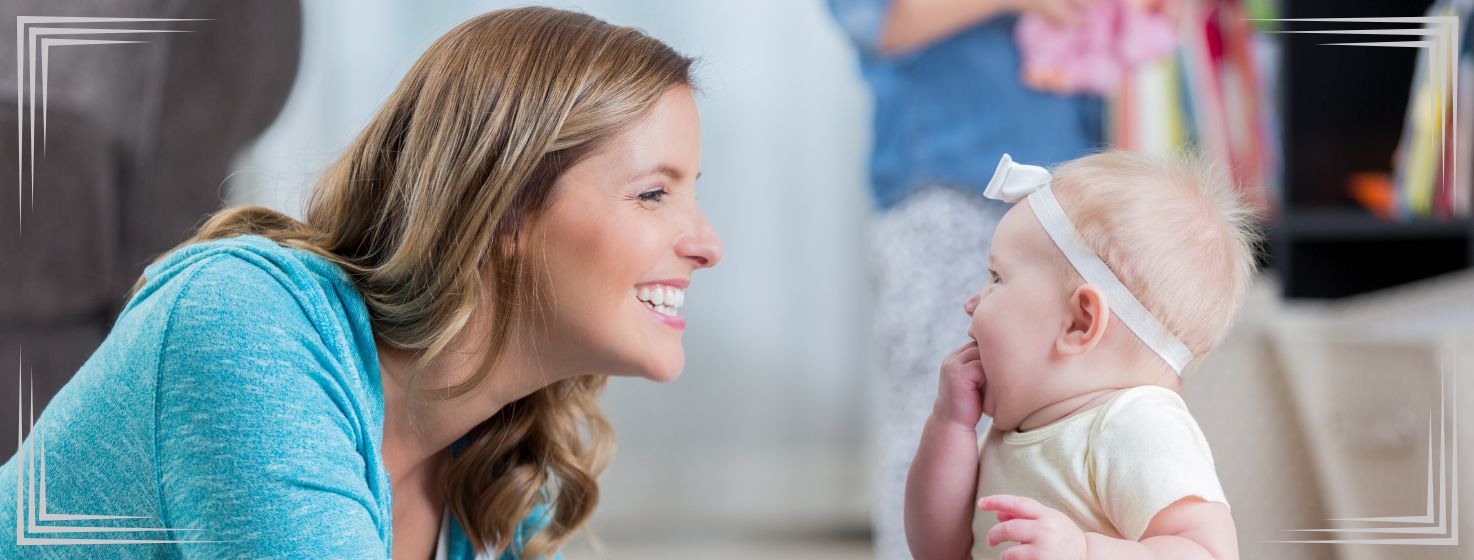
    Infant stage: Talk to your baby. It may sound simple, but they will learn all about language and sounds by listening to your voice. Talk in “parentese,” the high-pitched cooing way parents talk to their babies. Babies love it – there’s a reason we naturally talk that way – it’s what they respond to best! When they start to coo, coo back and then pause and wait for them to respond. This way they learn about pauses and taking turns in conversation. Talk to them about what you are doing throughout the day. “I am making some lunch for mommy. Then we will eat.” The more they hear – the more they absorb. Some people even teach their older infants sign language for a few simple words like eat, milk, more, all done, please, and no. I will stress, though, that you must use the spoken word with the signed word and make sure that they are learning to speak and not just use the sign.

    Toddler stage: Toddlers are just developing their language skills. They are starting to put words together to make simple sentences and thoughts. It takes much patience when trying to decipher toddler speak, but the reward is worth it. You are showing them that words matter and that what they say is important. Repeat what they say back to them. Although some of their mispronunciations are cute, try to correct what they say. Don’t tell them they are wrong; repeat back using the proper pronunciation. (Your child says “I want anana” and you say “You want a banana?”)

    Preschool stage: At this stage they can start to learn the importance of their words. They learn that words are not only used to get what they want, but they are used for interaction. You can teach them to use their words to express how they feel (sad, mad, angry, happy, excited, etc.) This expands their vocabulary and helps them learn to use language instead of actions to convey meaning. Model for them by stating how you feel, or describe something using different words: “This food is delicious – delicious means it tastes good!” They can also begin to understand written words and language. Here they begin to recognize the alphabet (starting with letters in their name) and then learn that those letters put together make words. Make simple grocery lists with a picture as well as a word and let them check off items in the store. (This also helps keep little hands busy with constructive work.) Use environmental print – the words and logos from cereal boxes, restaurants, TV shows, etc. Cut out pictures of items from catalogs and fliers and let them glue them into a “book” that they can “read.” They can recognize far more things than we usually give them credit for.

    Early Reading Concepts

    The best thing you can do for your child is to read to him or her every day. Starting in infancy, reading DAILY to your child teaches many things.

    Infant stage: Babies respond to the “sing song” of your voice. They begin to sense the patterns and rhymes of stories. Holding them on your lap and looking at the pictures strengthens their bond with you as well as teaching them that books are important.

    Toddler stage: Again they learn about rhyming and meanings of words. They learn that we read left to right, we turn the page, and that the words on the page have meaning. You can also begin to leave familiar words out and let them help “read” the story. Nursery rhymes in particular are proven to teach many important rhythms in reading. This is the stage when children want to read the same book over and over and over. Although this can seem boring – the children are actually learning quite a lot. By rereading something familiar, they are free to build on concepts and learn new things (much the same way we see new things after viewing a movie more than once). You can also have them point to objects in the pictures to help them learn colors, shapes, animals, and other visual vocabulary. Reading before naps or bedtime helps establish routines that are so very important to toddlers.

    Preschool stage: Preschoolers build on the idea that words have meaning. Begin pointing along the words as you read them. Point out or have them find letters, especially letters from their name. You can have them sequence the events of a story – ask what happened first, second, next and last. Read fables or fairy tales and discuss consequences, cause & effect, right & wrong, and ask why. Children will also have a lot of “why” questions at this age and books can provide the answers to many questions. Books can also be used to allay their new-found fears. There are plenty of books about visiting the doctor, dentist, hospital, having a new sibling, thunderstorms & weather, monsters or other scary creatures. This age is full of learning opportunities, and books can be one of your best allies. Science, math, social and religious concepts can all be taught through books. Reading together reinforces loving bonds and shows your child that they are important to you because you stop what you are doing and read with them.

    Math

    When people hear the term “math” they automatically think of numbers and computation, but there are MANY equally important math concepts formed in early childhood that don’t involve memorizing numerals or learning to count.

    Infant stage: Count their toes and fingers (while kissing of course!) and sing songs like “One little, two little, three little fingers, four little, five little, six little fingers, seven little, eight little, nine little fingers, ten fingers on your hands!” (or toes!) Use foam shapes in the bath tub and identify colors and shapes.

    Toddler stage: There are many things you can use to teach math concepts to toddlers. Continue using bath shapes and colors but you can also add letters and numbers. Wooden blocks or LEGOs can be a very important tool in counting, making patterns, sorting, and grouping. Sorting and making patterns are two very important concepts. Toddlers can sort laundry, sort socks by color, sort silverware and put it away, and sort their toys into different toy bins. They can count their toys, count their goldfish crackers, count the stuffed animals on their beds, count their cars or dolls. They can line toys, blocks or household items from shortest to tallest. You can talk about small, medium and large.

    Preschool stage: Preschoolers will continue to build on the concepts of patterns and sequence. They can play matching games with magazine pictures, socks, playing cards, blocks and more. They can do more complex pattern activities. Have them start finding what would come next in a pattern you have made, then transition to them making their own patterns (use toy animals, blocks, beads, foam shapes etc.). At this stage they can also begin to identify numerals and count. Learning one-to-one correspondence (counting one time for each object) is easily learned using egg cartons. They can count almost anything and even though it may take time- they WILL be learning the concept that a number represents something. Games like Candyland, Chutes & Ladders and Dominoes help with counting. Keep track of the date on the calendar together. They can sort and graph Gummi bears or M&Ms. You can measure things – let them help measure laundry detergent or ingredients for cooking. You can also measure their feet, hands, heads and height. Give them rulers or measuring tapes and let them experiment. Cooking is one of the best things to do with children. They can begin to read certain words or ingredients, help measure, understand time concepts using a timer, and follow the sequence of the directions. Talk about what happens first, second & last. These may seem meaningless, but they are laying many important foundations for math problems and equations in the future.

    Science

    Infant stage: Babies learn a lot about the physical world they live in. They learn very early about day/night, cold/hot and cause/effect. They learn about their bodies. Read simple stories that talk about their body parts (Here Are My Hands is my personal favorite). Wash their body, kiss their body parts and name them. Sing “This is the way we wash our feet (hair, hands, belly, face, etc.) when we take a tubby!”

    Toddler stage: Toddlers can learn anywhere! The bath tub is a great place to learn science and math. Give them lots of cups, containers and toys. They will learn about things that float and things that do not. They will learn that bigger containers hold more water. Containers with holes lose their water. Don’t rush bath time – let them splash and experiment and play. Play with plastic animals and name them. Sort them. Play farm and zoo. Talk about what the animals eat, where they live, what they look like. Toddlers LOVE animals and there is so much they can learn. Let them play outside as much as possible and let them explore dirt, insects, leaves, streams (with supervision), weather, sand, rocks and more! They will be constantly absorbing things through their senses.

    Preschool stage: Preschoolers again expand on earlier concepts. You can let them keep track of the weather every day. Help them observe the seasons and identify the signs of changing seasons. They will learn more about their bodies and can learn to identify more complex body parts and what they do (shin, elbow, eyebrows, wrist, etc.). They will still learn best through play and exploration. Water and sand play continue to teach measurement concepts. Let them observe what happens to an ice cube in the sun, construction paper in the sun, water in the freezer and more! Show them life cycles of animals – butterflies, spiders, chickens. Let them use all five senses and compare and contrast.

    Music

    Music is one of the most universal teaching methods available. You can invent songs to teach everything from washing hands, cleaning up toys, counting, opposites and more! I use music and songs every day. My toddler responds much better to the clean-up song than to a direct command to “clean up your toys.” Music helps make connections in the brain that even scientists don’t fully understand. People of all ages respond to music.

    Infant stage: Sing to your baby often. Soothe them with a hymn or lullaby. The repetition of a song or melody is soothing to a child and helps establish rhythms and patterns that are so important in early development. Use an electronic device or attach a music machine to the crib. This can teach even a small baby that when a certain song plays or the music is turned on, it’s time for sleep. Plus the music that you sing attunes them to your voice and increases the bond between parent and child. (Singing is for dads too!)

    Toddler stage: Toddlers love music. Period. Not only do they enjoy hearing music, they enjoy making music too! This is the perfect time to teach them the classic songs of childhood such as Old MacDonald, The Wheels on the Bus, Twinkle Little Star, etc. They love the easy rhymes and repetition. Again, this helps form connections in the brain so they can better remember. Allow them to play instruments. These do not have to be store-bought. They can be coffee can drums with wooden spoons or rice in plastic eggs for shakers. Put on music and let them march, play and keep the beat.

    Preschool stage: Preschoolers can sing many songs. They can combine movement with their music: hopping, skipping, galloping. They can move slowly or quickly. They can work on concepts like soft and loud, higher and lower, and learn a musical scale. Choose a tune to help them learn their address or telephone number as well the months of the year, the days of the week or the letters in their name.
  • Speech Development – Preschool

    Speech Development – Preschool

    by Randi Horst, Speech Language Pathologist and Homeschool Mom

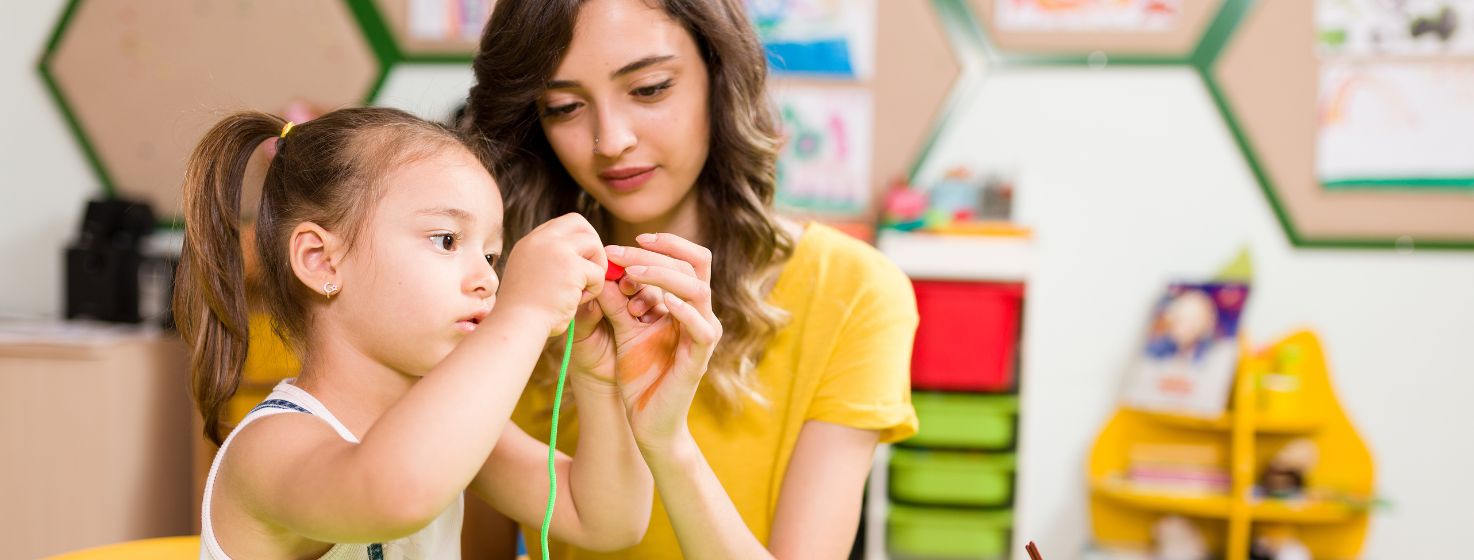
    Babble business is not just for babies! It takes two to communicate. How we react to our lil’ ones’ interests and babbling is the groundwork for brain growth and communication. A recent article describes in detail the importance of parents “talking-through” their day, creating a language-rich environment for their young children.  

    The surgeon highlighted in the article has researched the correlation between IQ and the words used in a home. His explanation of the impact parents have, and his mission to educate parents on their role in development, is encouraging to this homeschooling speech language pathologist!

    Talking to your new nugget from day one is a very important, powerful way to foster development beyond eye contact and smiles. When your infant is having time on a blanket and he doesn’t have his pacifier or bottle, he will be more likely to make a new sound. When he does, go to him and imitate him. By taking turns in this conversation, you’re helping to connect neurons in his rapidly growing brain. Talking and singing to your baby throughout the day might seem to go unnoticed, but his brain is responding and growing as you bond with that blessing.

    With an older baby or toddler, “talking through” your day would include explaining to her what you’re doing as you unload the dishwasher or fold clothes. For example, laundry time could sound like this: “Mommy’s shirt, sock … where is the other sock? Oh, there it is! Daddy’s pants, big sock, little sock, sock, sock, sock!” If your toddler starts to imitate those words and you’re having a hard time understanding him or her, don’t be alarmed; there’s a wide range of normal sound development for our new talkers. Consider that God made our mouths to help us eat as well as communicate, and we can build strength and coordination for speech sounds by encouraging mature eating and drinking. An easy strength builder is having your toddler drink from an open cup with assistance during meals. She’ll be excited about the “big girl” cup and won’t even know she’s building jaw strength and control, both necessary for tongue mobility used in those sounds you’d like to hear.

    In the meantime, continue to talk! Normal language development involves understanding what is heard around us before we use words ourselves, so don’t be discouraged if you’re the only one making noises or words. This is not a one-way business. Her little brain is responding, whether you can see it or not.

    Randi is a homeschool mom of 6 and speech pathologist in the Birth to Three early intervention program. She has a heart to help homeschool mamas who have speech questions.   

  • Too Soon to Test?

    Too Soon to Test?

    Rethinking Preschool, Kindergarten & a Push for Homeschool Testing

    How wonderful – and overwhelming – it can be to figure out what’s best for our littles! We can lose sight (or want to lose sight) of the fact that parenting is a full-time endeavor. Practically from the time they’re born, we’re warned not to keep them home too long! The assertion? By the time they are three or four, children need formal education and socialization that they just can’t get at home. While daycare still seems truly optional, preschool increasingly does not. An entire business was birthed to convince us of its necessity. Except it isn’t true.

    A recent article in Psychology Today confirms what so many other studies have found: early academic education can produce long-term harm. I highly recommend that article to parents who wish to give their children the best academic start. While preschool is the expected given these days, a combination of free and guided play is shown to be the better foundation. In fact, teaching that learning is fun may be the most important thing you can give your child in his early years. Learning just does not equal “school.”

    I hear parents decide to do preschool because they are very concerned about the social skills of their five-year-olds – as if they have little time left to develop social skills. Yet our children are not expected to be socially mature at age five, especially our boys. If we relax, they are likely to develop best given time plus good family-based opportunities.

    As a former pediatric physical therapist, I can’t recommend early play-based exercise and education highly enough. I’m not advocating that parents leave their children totally to their own devices, but rather to provide the best kind of early learning environment at home. I’m also old enough to remember the wonderful Focus on the Family interview between James Dobson and Dr. Raymond Moore, author of Better Late Than Early and advocate for developmentally-sensitive early education. The CHEWV website not only links to that interview – which, by the way, helped birth the homeschooling movement back in the 1980’s – but also provides practical help for early education.

    Finally, sometimes West Virginia homeschool parents push kindergarteners and first graders before they’re developmentally ready for one reason: the homeschool law’s assessment requirement. But that is neither a good nor necessary reason to get nervous about academics! Students actually do not have to be assessed prior to compulsory age, which doesn’t kick in until age six (unless a parent enrolls them in a public program early.) And certified teachers who understand early childhood development are available for portfolio help and review. So it could be wise to delay formal testing until 3rd grade or beyond rather than push a child too early in order to prepare for testing.

    When choosing a good academic start, perhaps we should start with the academic research! That will allow us to relax and learn what really works: parental involvement and developmentally appropriate activities specific to your child. First, listen to the interview with Dr. Moore. His findings are timeless. Then for practical help, start here.