Category: Blog

  • Homeschooling for a Harvest

    Homeschooling for a Harvest

    [et_pb_section fb_built=”1″ admin_label=”section” _builder_version=”3.22″ global_colors_info=”{}”][et_pb_row admin_label=”row” _builder_version=”3.25″ background_size=”initial” background_position=”top_left” background_repeat=”repeat” global_colors_info=”{}”][et_pb_column type=”4_4″ _builder_version=”3.25″ custom_padding=”|||” global_colors_info=”{}” custom_padding__hover=”|||”][et_pb_text admin_label=”Text” _builder_version=”3.27.4″ background_size=”initial” background_position=”top_left” background_repeat=”repeat” global_colors_info=”{}”]

    by James Summers, CHEWV dad and Board member

    As I write this, we are heading into prime harvest season.  It’s the time of year when you have to keep your windows rolled up and doors locked while you’re at church – or else you’ll come out and find your car full of zucchinis.  Every day we are reaping the rewards of both God’s graciousness and our hard work.  This year my schedule and the weather mostly cooperated, and I was able to keep the weeds from “taking over” the garden – at least for a while.  Somewhere along the line, though, I got too busy to work the garden during the peak of summer activities.  The early harvest was good, but now I find myself searching through the tall weeds for any tomatoes and beans that made it through, despite my lack of attention and work.  I drive by a well-kept garden with envy and regret.

    It can be this way with our marriages, families, and yes, homeschooling, as well. 

    We reap what we sow.  A crop of Silver Queen corn doesn’t just mysteriously appear in my garden.  I have to plant the seeds.  If I want a marriage that radiates God’s glory, or kids that are dedicated Christ followers, or a homeschool that redeems education to God’s purpose, I have to sow the seeds to reap this harvest.  I have to think about what results I desire (and God desires) and then act to bring them about. 

    A man reaps what he sows.
    Galatians 6:7

    Not only do we have to sow the right seeds, we also have to tend the garden.  Gardeners with the greatest harvest spend much time tending their garden – hoeing, weeding, fertilizing, watering, pruning, building trellises, staking tomatoes, dusting for bugs, shooting groundhogs or trapping raccoons, and maintaining the fence to keep out the deer.  Often the work is hard.  Sometimes it is just a simple task, but the work is always intentional.  Master gardeners do what they know needs to be done each day.   Though they almost never see an immediate result, they trust that the desired results will come about.  They follow the wisdom accumulated from hundreds of generations of farmers before them and talk with other gardeners, especially more experienced ones, when they have a question.  Every day they spend time in their garden.

    Let us not grow weary in well-doing, for in due time we will reap a harvest,
    if we do not give up.
    Galatians 6:9

    So what kind of harvest do you want to reap from your years of homeschooling?  What kind of seeds are you sowing, and what kind of work are you doing each day to move toward these goals? 

    Really, seriously, stop and think about these questions for an extended time. Talk about them with your spouse.  Pray about them.  Consider how you can make your homeschool years about more than just academics.  What does the Creator – the Originator and God of all wisdom and knowledge – desire of your homeschool years?

    If you want a more bountiful harvest, cast a bigger vision.  Set higher goals.  Don’t always look for immediate results; think multi-generationally.  Determine to leave a positive spiritual impact on your grandchildren and great-grandchildren.  Make loving and serving Jesus a bigger priority in your family than anything else.  Do the work that you know needs to be done each day.  Spend time every day in the garden where God has placed you to work.  Determine to finish the journey you have started, but know that the most enduring fruit of your labor may not even come in your lifetime.

    Therefore we do not lose heart. Though our outer self is wasting away, yet our inner self is being renewed day by day. For our light and temporary affliction is producing for us an eternal glory that far outweighs our troubles. So we fix our eyes not on what is seen, but on what is unseen. For what is seen is temporary, but what is unseen is eternal.…

    2 Corinthians 4:16-18

    [/et_pb_text][/et_pb_column][/et_pb_row][/et_pb_section]
  • FREE Unit Study: Harvest of Friends

    The Little House series of books based on Laura Ingalls’s childhood in the 1800’s remains popular among readers of all ages, particularly children.  The history, woven into wholesome family stories, makes them especially appreciated by homeschoolers. 

    In 1974, the book series was turned into the beloved television series Little House on the Prairie, also the title of Laura’s third novel.  CHEWV is pleased to provide a short unit study based on the first TV episode, “A Harvest of Friends.”  To access your free study, click here.

  • Video Resources, Member Resources…

    Video Resources, Member Resources…

    [et_pb_section fb_built=”1″ admin_label=”section” _builder_version=”4.16″ global_colors_info=”{}”][et_pb_row admin_label=”row” _builder_version=”4.16″ background_size=”initial” background_position=”top_left” background_repeat=”repeat” global_colors_info=”{}”][et_pb_column type=”4_4″ _builder_version=”4.16″ custom_padding=”|||” global_colors_info=”{}” custom_padding__hover=”|||”][et_pb_text admin_label=”Text” _builder_version=”4.21.2″ background_size=”initial” background_position=”top_left” background_repeat=”repeat” hover_enabled=”0″ global_colors_info=”{}” sticky_enabled=”0″]

    …YouTube resources for studing WV History

    ~the 4th in a series of articles~
    Click here to start at the beginning of the series.

    West Virginia History in 2 Minutes Or Less-A YouTube channel with over 50 short videos on West Virginia History.

    WV History Documentary- This documentary follows a timeline of historical events, from the state’s first inhabitants to the present day, and follows the contributions of the men and women who shaped the state’s cultural, economic, and political landscapes.

    Using paintings, still photographs, and motion picture clips, the series helps students explore what it means to be a West Virginian. Narrated by Richard Thomas.

    West Virginia: The Road to Statehood– This documentary brings to life the issues, differences and disagreements that divided the Commonwealth of Virginia, turning families and neighbors against one another throughout what is now West Virginia.

    Helvetia: The Swiss of West Virginia From the making of Helvetia cheese to Fasnacht and the burning of Old Man Winter….experience Old-World Swiss traditions as they thrive today in the remote mountain community of Helvetia, West Virginia. Descendants of nineteenth-century Swiss immigrants share and discuss their music, dance, yodeling, foodways, crafts, customs, and celebrations.

    The Feud The most famous family conflict in American history, the Hatfield-McCoy feud evolved into a mythic American tale of jealousy, rage and revenge – and one which helped create the negative “hillbilly” stereotype that has shaped attitudes towards Appalachia for more than a century. Much more than a tale of two warring families, The Feud is the story of a region and its people forced into sudden change by Eastern capitalists, who transformed Appalachia from an agrarian mountain community into a coal and timber producing workplace owned and run primarily by outside interests.

    The Mine Wars At the beginning of the 20th century, coal was the engine of American industrial progress. Nearly three quarters of a million men across the country spent ten or twelve hours a day underground in coal mines. The Mine Wars brings to life the struggle that turned the coalfields of southern West Virginia into a blood-soaked war zone where basic constitutional rights and freedoms were violently contested.


    Read the 5th article in this series here.

    [/et_pb_text][/et_pb_column][/et_pb_row][/et_pb_section]

  • Why Bother Studying WV History?

    Why Bother Studying WV History?

    [et_pb_section fb_built=”1″ admin_label=”section” _builder_version=”4.16″ global_colors_info=”{}”][et_pb_row admin_label=”row” _builder_version=”4.16″ background_size=”initial” background_position=”top_left” background_repeat=”repeat” global_colors_info=”{}”][et_pb_column type=”4_4″ _builder_version=”4.16″ custom_padding=”|||” global_colors_info=”{}” custom_padding__hover=”|||”][et_pb_text admin_label=”Text” _builder_version=”4.21.2″ background_size=”initial” background_position=”top_left” background_repeat=”repeat” hover_enabled=”0″ global_colors_info=”{}” sticky_enabled=”0″]

    (plus cool geography games!)

    ~the 3rd in a series of articles~
    Click here to start at the beginning of the series.

    As parents and teachers, we are preparing our children for the future – a future which they will have a vital role in shaping. Understanding the forces (geographical, historic, political, economic, etc.) which have molded and influenced West Virginia in the past is a key important component in determining and defining its future. And West Virginia’s future is exactly what our children will face as they grow up and confront the adult world challenges and opportunities.

    Our job, then, is to not only teach but train our children how to stand as Christians and engage the culture – impacting it, changing it, shaping it – all for the glory of Christ. First Chronicles 12:32 refers to men who understood the times, men with knowledge of what to do.  Likewise, our sons and daughters will one day stand as men and women and help establish their families, their communities, and their state.

    As Edmund Burke famously quipped, “Those who don’t know history are doomed to repeat it.” Today, more than ever, it is imperative to recall the wisdom of Ecclesiastes 1:9:  “The thing that has been — it is what will be again, and that which has been done is that which will be done again; and there is nothing new under the sun.”  We must learn from the past!

    Online WV Geography Games

    Online games are a great way to help students learn geographical information. Here are a few links to get your student started:

    County Game: https://www.purposegames.com/game/48cadb92e8

    Rivers Game: https://www.purposegames.com/game/west-virginia-rivers-game

    River Cities Game: https://www.purposegames.com/game/west-virginia-river-cities-game

    County Seat Game: https://www.purposegames.com/game/west-virginia-county-seats-quiz


    Tip #4 – Groups of 10 or more can often get discounts at educational 

    sites. Call and ask! (They often include parents in the count.)


    Tip #5The Beckley Coal Mine Exhibit 

    Take a tour in a real coal mine, explore a recreated coal town, and visit a comprehensive coal museum. This is a great way to complement a unit study and help ‘book learning’ come to life!


    Click here to read the next article in the series.

    [/et_pb_text][/et_pb_column][/et_pb_row][/et_pb_section]

  • Finding the Sport Solution –

    Finding the Sport Solution –

    Ice Hockey Cooperative Teams

    When Bryce and Dawn Timberlake of Jefferson County started homeschooling their six children twenty years ago, they wanted sports to play a big role in their children’s development.  However, because the WVSSAC precluded their children from playing public school sports, they had to seek out alternatives.    

    Hockey became the answer.  Originally, they enrolled their ten-year-old son in what was then a newly-established inline hockey league at the Martinsburg-Berkeley County Parks and Recreation. While kids as young as five all the way up to high schoolers can play in that league, most of the older inline players move on to ice hockey.  All four Timberlake boys moved on to play travel ice hockey –  at the closest rinks which were in Maryland.  Many of the boys’ travel hockey teammates also played for their local Maryland high school teams, but none of the homeschoolers had that option.  Eventually the Maryland Student Hockey League (MSHL) adopted public-school rules prohibiting homeschool and private school students from participating in high school hockey teams. 

    Instead of giving up, Bryce decided to start a ice hockey team three years ago in the West Virginia Eastern Panhandle – which did not have any high school hockey teams.  The WV Vipers have been playing ever since!  The varsity team consists of homeschool, private, and public-school students from Berkeley and Jefferson counties, as well as players – including homeschoolers – from surrounding Pennsylvania, Maryland, and Virginia.  Last year, the team added two middle school teams, one of which won the state championship in Charleston. 

    WV Vipers is a cooperative team, which means that it is made up of players from different schools.  Currently, West Virginia boasts four other co-op ice hockey teams in addition to the WV Vipers – in Charleston, Morgantown, Wheeling Park, and Wheeling Central.  The state has only one pure high school hockey team – Linsly High School in Wheeling.  These six teams are scheduled to play three weekend tournaments for the 2019-2020 hockey season.  In addition, the Vipers will scrimmage with local high school hockey teams in Virginia.

    Last year, WV Vipers became the first West Virginia high school hockey team to compete in the USA Hockey High School Tournament, held in Cleveland, Ohio.  In 2020, the Vipers will again represent our state at the High School Nationals in Dallas, Texas.

    Ice rink availability could limit options to start similar teams.  There are currently only four in our state – two in Wheeling, one in Morgantown, and one in Charleston.  However, Dalton Haas, a senior vice president for USA Hockey in West Virginia, foresees the establishment of a new ice rink in the Martinsburg area and another in Charleston, plus the rink in Morgantown being redeveloped with the help of West Virginia University. 

    Timberlake’s advice to the West Virginia homeschool community is, “Do not wait for the public schools to invite our homeschool students to participate in their athletic programs.  If you want to start a league in this state, just do it!”

  • Preparing for the Golden Horseshoe Test

    Preparing for the Golden Horseshoe Test

    [et_pb_section fb_built=”1″ admin_label=”section” _builder_version=”4.16″ global_colors_info=”{}”][et_pb_row admin_label=”row” _builder_version=”4.16″ background_size=”initial” background_position=”top_left” background_repeat=”repeat” global_colors_info=”{}”][et_pb_column type=”4_4″ _builder_version=”4.16″ custom_padding=”|||” global_colors_info=”{}” custom_padding__hover=”|||”][et_pb_text admin_label=”Text” _builder_version=”4.21.2″ background_size=”initial” background_position=”top_left” background_repeat=”repeat” hover_enabled=”0″ global_colors_info=”{}” sticky_enabled=”0″]

    ~the 2nd in a series of articles~

    Click here to read the 1st article in the series.

    Learning about West Virginia in the 8th grade is both a valuable academic opportunity and essential preparation for the Golden Horseshoe exam, a prestigious statewide competition.  Even if your student does not plan to take the Golden Horseshoe test, the study is traditional for Mountaineers and a perfect complement to the middle school years.  Recommended resources are listed below:

    • West Virginia: Its Land, Its People is the textbook used in public and private schools.   Parents may be able to borrow the textbook from their local middle school or order the book through this link: https://www.clairmontpress.com/wv.html. CHEWV has teaching resources available to members.

    State law says that county BOEs may issue a homeschool student a book if they are available, but schools are not required to loan textbooks if they do not have enough. Contact your county’s BOE or your local middle school’s WV History instructor to find out what is available.  While teacher editions and answer keys are not likely to be offered, CHEWV has resources for members to help plan and teach WV history.

    Check your local library for additional resources for teaching WV History:

    • The Golden Horseshoe  by Frances B. Gunter is a fictionalized mystery that sends a group of youth on a mysterious quest. As a result, the reader learns about important historical events. Your student may not realize this is a history book as they get caught up in the story!
    • West Virginia Encyclopedia, by Ken Sullivan, is also available online. They have a great guide for teachers with a list of relevant articles.

    The West Virginia Cultural Center offers online resources that would be an invaluable addition as you teach your students about West Virginia history including quizzes!


    West Virginia History Tip #2: Not only does the Golden Horseshoe test cover state history, it includes questions about economics, cultural studies, civics, geography, and popular culture. Students should strive for mastery of these areas to provide a comprehensive picture of the great state of West Virginia.

    West Virginia History Tip #3: Educational field trips include Blennerhassett Island and Prickett’s Fort, both of which close for the winter season in October or November. These state parks are wonderful living history opportunities for your students to experience history outside of the world of a textbook. Plan your trip today!


    Read the next article in the Golden Horseshoe series here.

    [/et_pb_text][/et_pb_column][/et_pb_row][/et_pb_section]

  • Graduation 2019

    Graduation 2019

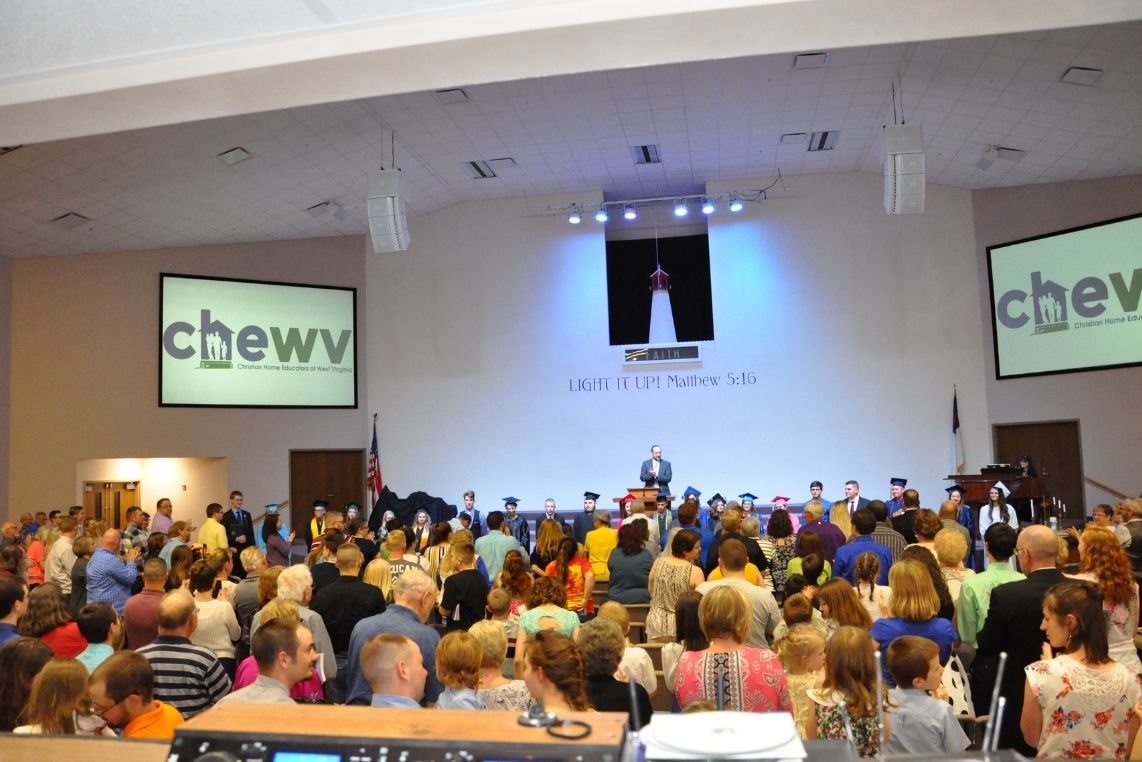
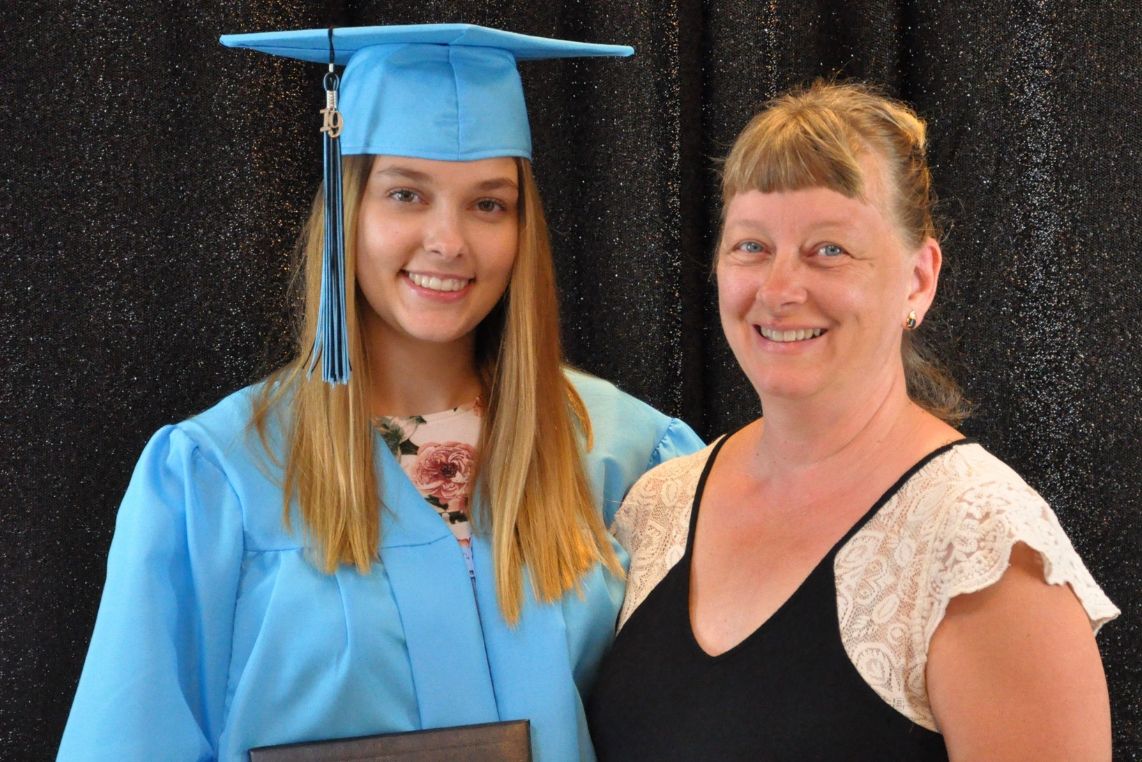
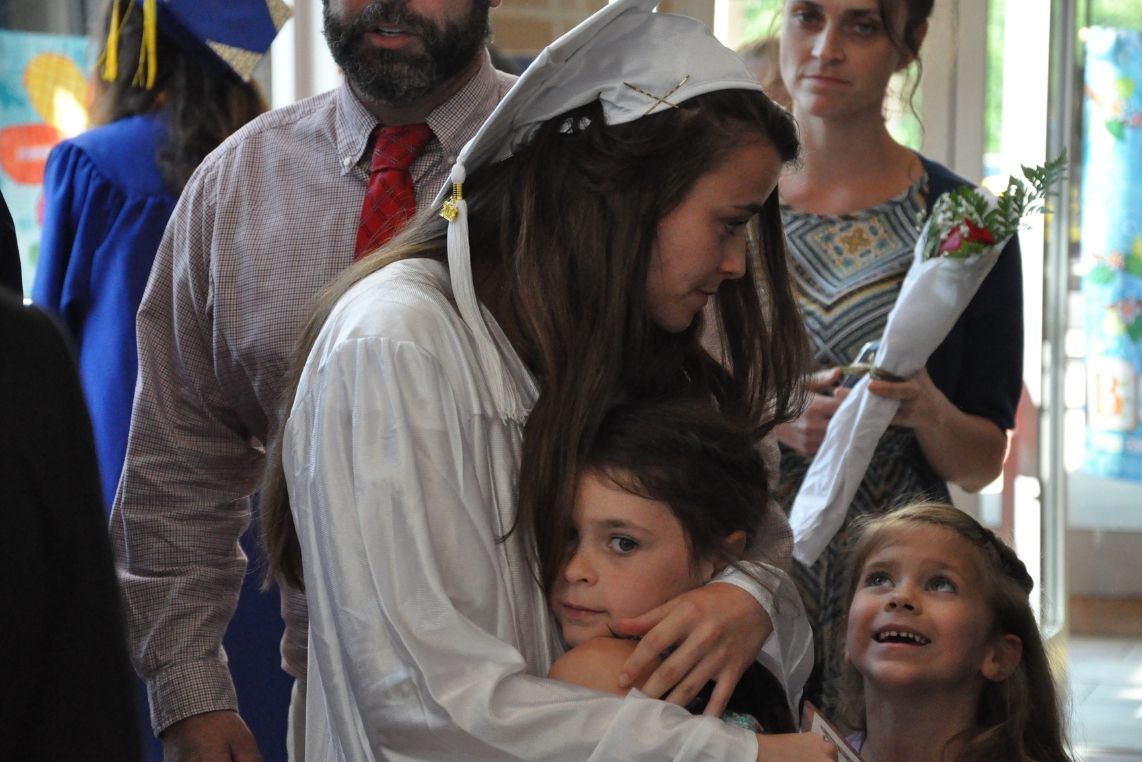
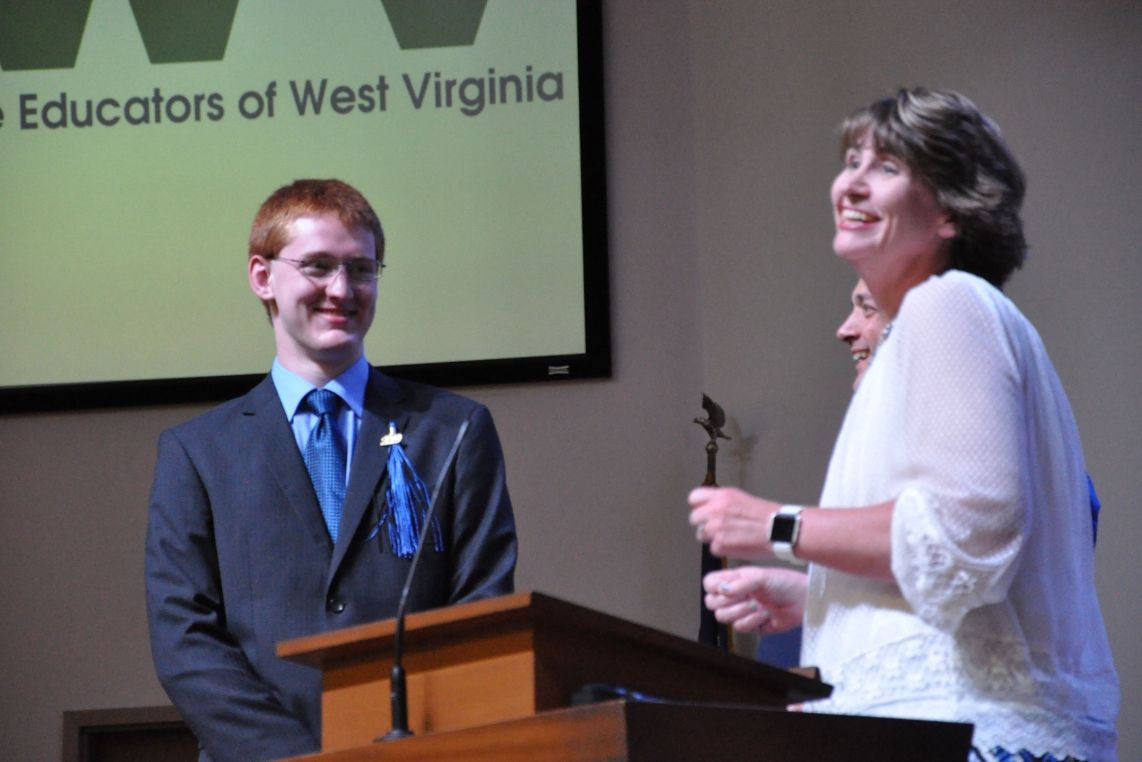
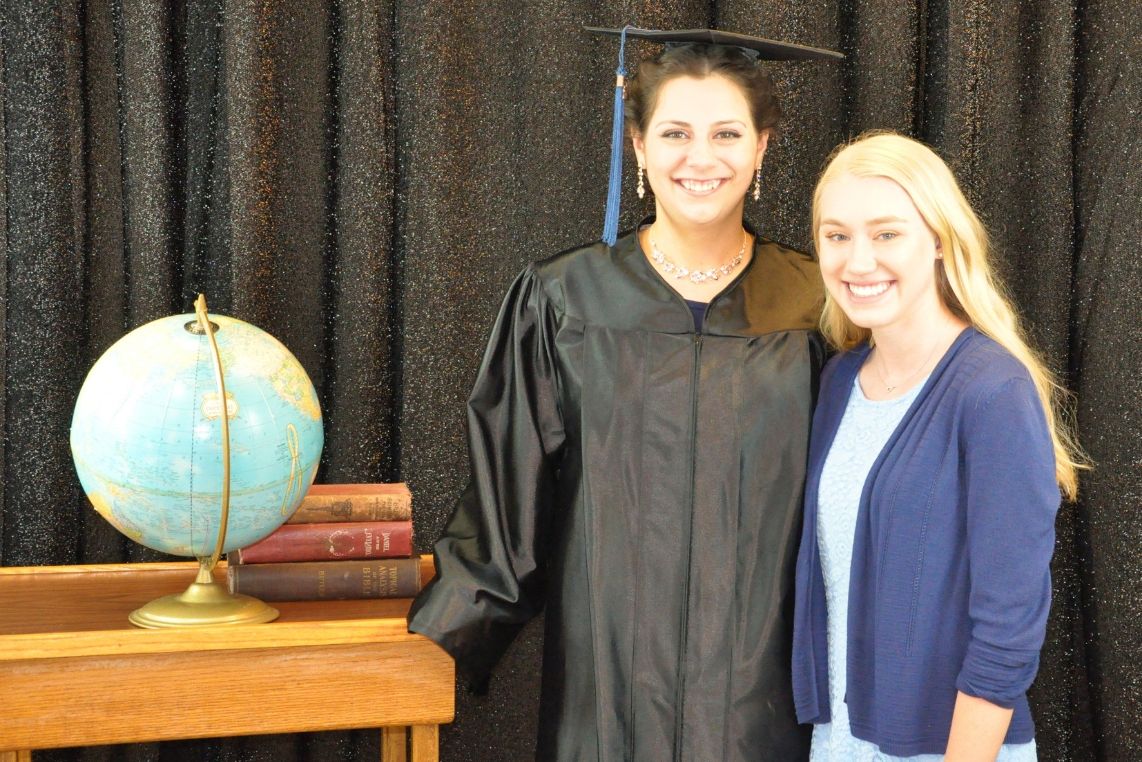
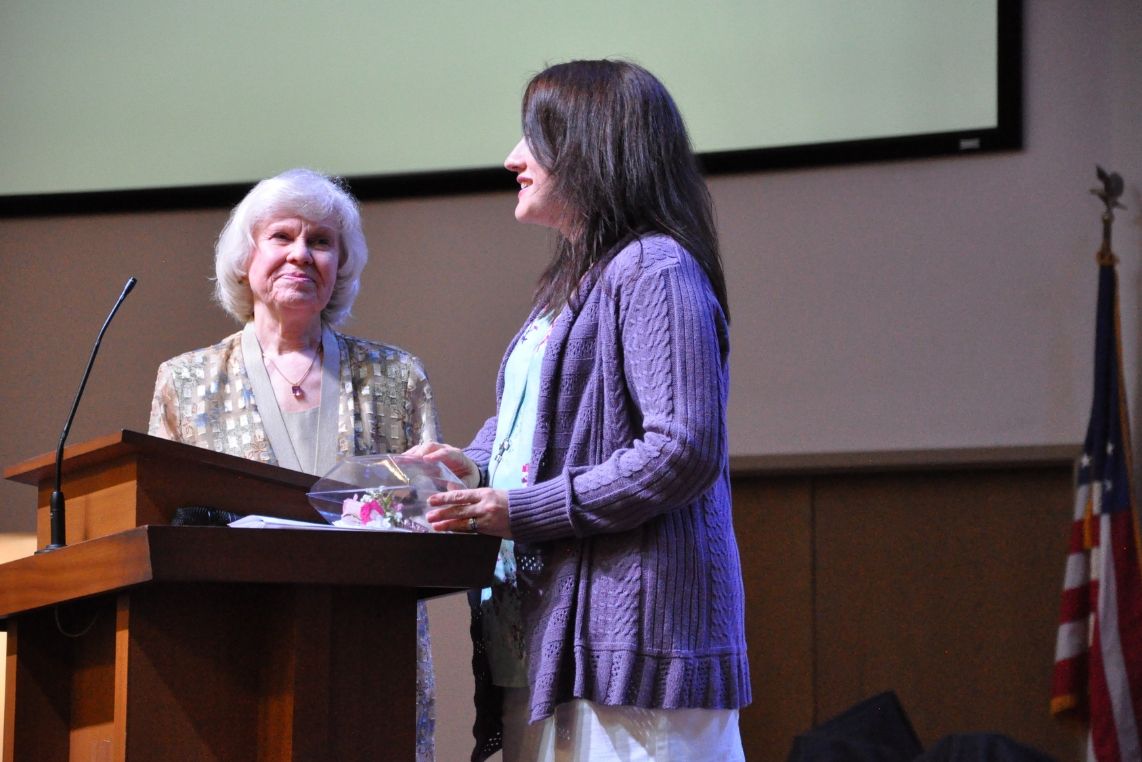
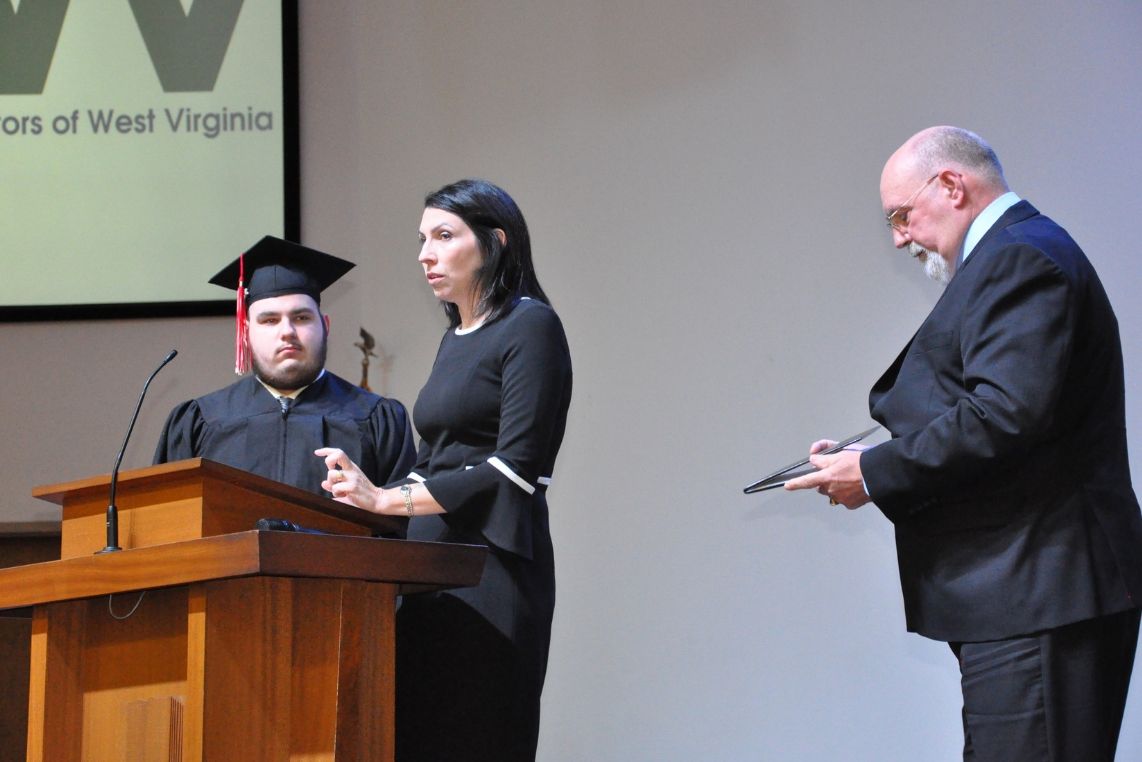
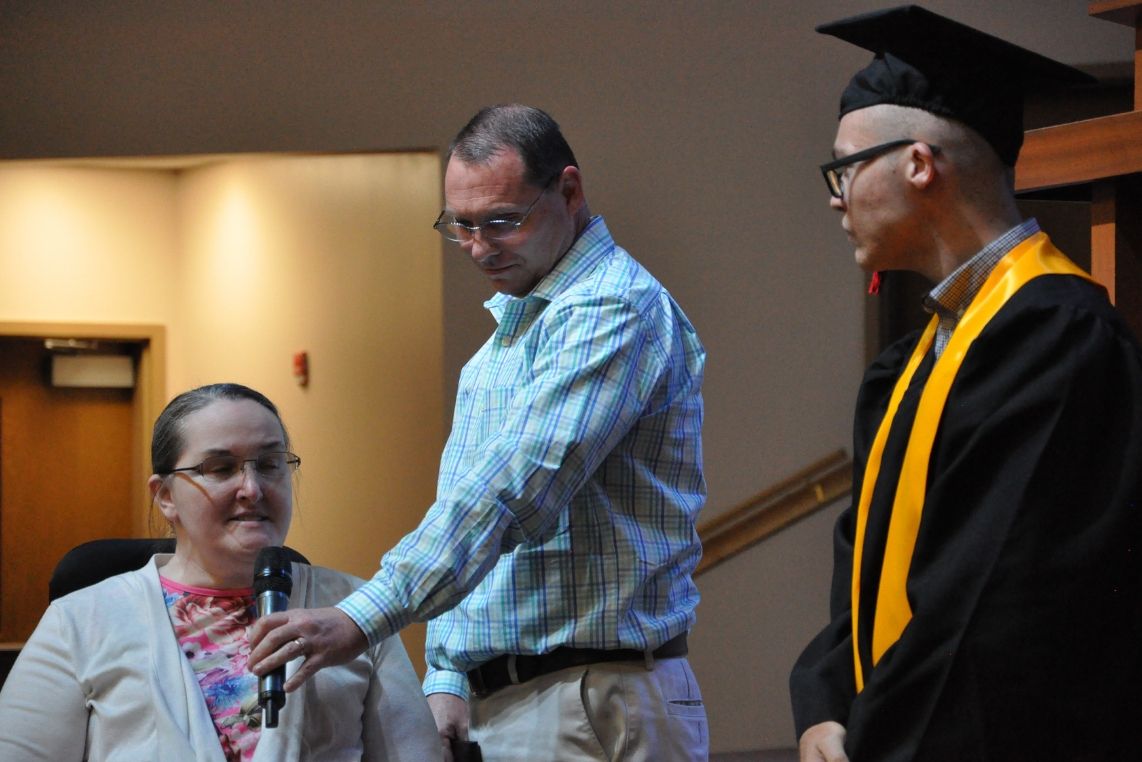
    With our largest class ever, the 2019 CHEWV Graduation was a celebration of God’s blessing on 21 young adults from all across the Mountain State. Whether you were able to attend or not, we hope you enjoy this picture gallery of our special afternoon.

  • The Special Session Has Begun

    by John Carey, CHEWV’s Legislative Liaison

    As soon as the West Virginia Legislature adjourned at midnight on the last day of the 60-day regular session, the legislature was called into a special session to discuss what the Governor has called “Education Betterment.” Immediately afterwards, the legislature recessed and returned to their districts to get input from their constituents.

    At this time, it is unclear when legislators will reconvene to report the results of the public forums that are being held around the state. Some say at the end of April; others, during the interim in June.  In any case, it must be before the start of the fiscal year, which begins on July 1st.

    When I met with legislators on the last day of the regular session, they expressed their desire to hear from not just public-school parents and students, but from private school and homeschool families as well. In fact, if you want, I encourage you to coordinate with other homeschool families to set up a meeting with your legislators to discuss the issues that are important to you.  After all, these folks represent you and are available to meet throughout the year.

    Legislators are passionate about trying to do what is best for students and teachers. After many years of receiving reports of problems in public schools, they want to see a change in the system.  This is why many current legislators are encouraging Charter Schools and ESA’s: they want to give parents more control over their children’s education, and they want to see new educational approaches that better meet students’ needs. They also want to help public school teachers who want more of a say in how they teach. Legislators want to see a bottom-up approach applied to education that will facilitate success in the classroom. 

    In the last two decades, I have attended well over 200 education committee meetings at the WV State Capitol and have watched as legislators seek to improve education quality. They really do care and want to be able to look back over their years of service with satisfaction and the knowledge that they made a difference.

    At the same time, they do not always understand the needs of homeschool parents. For example, ESA’s are not a good choice for homeschool families, since government money is inevitably followed by government regulation. (Tax credits, which are not government money, would be a better fit for homeschoolers since they do not come with strings attached.)  In addition, school sports is an option some home school parents would enjoy—but not at the cost of increased regulation. Legislators also do not always understand the importance of religious liberty and parental rights to homeschool parents and often need reminded with phone calls and letters.

    When the legislature meets again before July to discuss how best to improve education, CHEWV will be there to meet with legislators and remind them of the legislative priorities that are important to homeschool families. We will remind them that we are funding our children’s education and doing, before God, what we know to be best for them and their education. By lobbying for WV homeschoolers, we will advance our freedoms and protect those families who have found an educational alternative that has proven to be successful in the Mountain State.

    If you are interested in learning more about the issues which have an impact on home education, if you have any questions, or if you are interested in helping to protect the freedom to homeschool, contact me at jcarey@heritagecwv.org.

  • Let’s Have HSDC In the Spring!

    Let’s Have HSDC In the Spring!

    [et_pb_section fb_built=”1″ admin_label=”section” _builder_version=”4.16″ global_colors_info=”{}” theme_builder_area=”post_content”][et_pb_row admin_label=”row” _builder_version=”4.16″ background_size=”initial” background_position=”top_left” background_repeat=”repeat” global_colors_info=”{}” theme_builder_area=”post_content”][et_pb_column type=”4_4″ _builder_version=”4.16″ custom_padding=”|||” global_colors_info=”{}” custom_padding__hover=”|||” theme_builder_area=”post_content”][et_pb_text admin_label=”Text” _builder_version=”4.27.2″ background_size=”initial” background_position=”top_left” background_repeat=”repeat” hover_enabled=”0″ global_colors_info=”{}” theme_builder_area=”post_content” sticky_enabled=”0″]

    We know what it’s like!  After early morning travel on precarious roads, we finally make it to Capitol parking – three blocks away!  The early February wind whips through our dress pants and sends shivers down to our freezing feet as we trudge to the Capitol entrance – far, far from where we parked. Why oh why did we ever decide to bring a display board when we had to carry it three blocks through the biting cold – while managing four children and a packed lunch? 

    Because we are determined to defend our homeschooling freedom, no matter the cost!    

    But why not hold this important event when the sun shines and the warm air beckons?  Because the West Virginia Legislative Session convenes each year on the second Wednesday of January and runs for 60 consecutive days.  That means January through early March – exactly in the coldest weeks of the Mountain State winter. 

    As much as we would like to hold it on a more comfortable day, our aim is to educate and influence our legislators.  Slightly before mid-session is usually the ideal time for moving good legislation and derailing bad.

    We’re not the only organization that vies for a day at the legislature, after all; competition for the “key” days is stiff. The scheduling fray for next year begins as soon as the legislative session ends this year. If we want to have a voice in Charleston, then we must defy the challenges of winter in order to influence those who have the power to restrict our freedom.

    So begin planning the warm apparel you’ll need for the upcoming Home School Day at the Capitol. Let’s come out in droves with cherry noses and big smiles!

    [/et_pb_text][/et_pb_column][/et_pb_row][/et_pb_section]

  • PROMISE Eligibility

    PROMISE Eligibility

    5 Things to Know

    Changes in PROMISE scholarship eligibility requirements for homeschoolers, effective July 2018, are now being implemented.  Here are some key things homeschoolers should know about the changes.

    1. No more GED.  Homeschool graduates are no longer required to take the GED to qualify for the PROMISE scholarship.
    2. Same requirements as public and private school students. To qualify for the PROMISE, homeschoolers now have basically the same academic requirements as public school students:
      • Minimum ACT composite score of 22 or SAT combined of 1100,
      • Minimum ACT scores of 20 in English, Mathematics, Science, and Reading – or a minimum SAT of 520 in math and 530 in reading,
      • Grade Point Average of 3.0 on a 4.0 scale in all high school course work, and
      • GPA of 3.0 in core classes required by the WV Higher Education Policy Commission (HEPC). 
    3. Must include “core classes”. SB 319, which passed in the 2018 legislative session, requires a 3.0 in core classes to qualify for the PROMISE.  The core classes prescribed by HEPC include 4 English credits; 4 Social Studies credits; 4 Math credits; and 3 Science credits.  This list of core classes will now be an important document for homeschool families wishing to become PROMISE-eligible. 
    4. Documentation needed. The core classes taken must be listed on their prescribed Homeschooled Grade Report Form and submitted to HEPC along with a transcript of all high school classes and grades.  The names of the core classes listed on the form should reasonably match the course names of the core classes listed on HEPC’s website.  In addition to the Homeschooled Grade Report Form, applicants must fill out the PROMISE application.
    5. Other requirements remain. In addition to academic requirements outlined above, other requirements for PROMISE remain unchanged.  Among these include residency requirements, application deadlines, submission of FAFSA, and documentation from the county board office that the student was homeschooled during the 11th and 12th grades.  See the complete list of requirements at the CFWV website.

    The CFWV can help with both PROMISE eligibility and the entire FAFSA application process.  


    Note 11/13/2020: If you have a student who qualifies for a Promise Scholarship you will need to get a letter from your county board of education stating that your child was homeschooled in the 11th and 12th grades.  Unfortunately, some parents have recently had some difficulty obtaining this documentation.

     If you find yourself in a situation where county officials hesitate to verify your student’s homeschool status, you may need to remind them that a NOI, even one submitted four years ago, is valid until you notify the county that you have ended the home education of your student.

     It is also very important to make sure you are following the law by submitting assessments in the years required (3rd,5th, 8th, and 11th). These filings will support your case when you need documentation from a county. By filing your 11th grade assessment you have de facto proof that you homeschooled in the 11th grade, even when county officials say they cannot give you verification.