Author: CHEWV

  • Finding the Sport Solution –

    Finding the Sport Solution –

    Ice Hockey Cooperative Teams

    When Bryce and Dawn Timberlake of Jefferson County started homeschooling their six children twenty years ago, they wanted sports to play a big role in their children’s development.  However, because the WVSSAC precluded their children from playing public school sports, they had to seek out alternatives.    

    Hockey became the answer.  Originally, they enrolled their ten-year-old son in what was then a newly-established inline hockey league at the Martinsburg-Berkeley County Parks and Recreation. While kids as young as five all the way up to high schoolers can play in that league, most of the older inline players move on to ice hockey.  All four Timberlake boys moved on to play travel ice hockey –  at the closest rinks which were in Maryland.  Many of the boys’ travel hockey teammates also played for their local Maryland high school teams, but none of the homeschoolers had that option.  Eventually the Maryland Student Hockey League (MSHL) adopted public-school rules prohibiting homeschool and private school students from participating in high school hockey teams. 

    Instead of giving up, Bryce decided to start a ice hockey team three years ago in the West Virginia Eastern Panhandle – which did not have any high school hockey teams.  The WV Vipers have been playing ever since!  The varsity team consists of homeschool, private, and public-school students from Berkeley and Jefferson counties, as well as players – including homeschoolers – from surrounding Pennsylvania, Maryland, and Virginia.  Last year, the team added two middle school teams, one of which won the state championship in Charleston. 

    WV Vipers is a cooperative team, which means that it is made up of players from different schools.  Currently, West Virginia boasts four other co-op ice hockey teams in addition to the WV Vipers – in Charleston, Morgantown, Wheeling Park, and Wheeling Central.  The state has only one pure high school hockey team – Linsly High School in Wheeling.  These six teams are scheduled to play three weekend tournaments for the 2019-2020 hockey season.  In addition, the Vipers will scrimmage with local high school hockey teams in Virginia.

    Last year, WV Vipers became the first West Virginia high school hockey team to compete in the USA Hockey High School Tournament, held in Cleveland, Ohio.  In 2020, the Vipers will again represent our state at the High School Nationals in Dallas, Texas.

    Ice rink availability could limit options to start similar teams.  There are currently only four in our state – two in Wheeling, one in Morgantown, and one in Charleston.  However, Dalton Haas, a senior vice president for USA Hockey in West Virginia, foresees the establishment of a new ice rink in the Martinsburg area and another in Charleston, plus the rink in Morgantown being redeveloped with the help of West Virginia University. 

    Timberlake’s advice to the West Virginia homeschool community is, “Do not wait for the public schools to invite our homeschool students to participate in their athletic programs.  If you want to start a league in this state, just do it!”

  • Sports: Choosing NOT to Play

    Sports: Choosing NOT to Play

    by James Summers

    Coming of age in a public school system, my cohorts and I breathed sports.  Even if some didn’t make the team, they still wanted to be on the team: our complex hierarchy of social status relied, in no small part, on sports.  Making the team or winning a game created a thrill inside. It meant I was “more” than someone else – more skilled, more athletic, more tenacious; stronger, faster, smarter.  I didn’t know which of these it was, so in my youthful pride, I claimed them all.

    We judged the worth of other schools by their win-loss records.  Worse, we universally judged the character of the people in entire geographical regions based on the performance of their school’s athletic team.  All the people who lived in a certain adjacent county were weak losers, and those from another county were just a bunch of dirty rotten cheaters.  We really did see ourselves as superior to them.  Yes, these were childish views, but they were views I held as a relatively mature, intelligent, raised-in-church 16 year old. I should have known better, but these ideas were deeply rooted in our sports culture.

    Fast forward to when our first child was born.  By the time he was four, it was evident that he had an unusually good throwing arm.  A friend who was a former college QB even noticed and commented on his throwing ability.  Wow!  Pretty impressive, I thought.

    In my mind, I began to lay out our future, but God directed our steps in another direction (see Proverbs 16:9).  Most significantly, He led us toward homeschooling.  This was perhaps the most significant and counter-cultural step that my wife and I had ever made in our Christian life.  Though we started out homeschooling on a “year by year” basis, by the end of our first year we knew there would be no turning back for us.

    Sacrifice? Yes.  Rewards?  Greater.

    Public school sports would not be an option.  But what about organized leagues that aren’t associated with schools? 

    We chose not to play.

    For us, the key reason we passed (pardon the pun) was the “sports-centric” lifestyle that seems to be so common in these leagues.  We made a deliberate choice that our lives and schedules wouldn’t be driven six days a week by an overzealous coach. We didn’t want our children to get the mistaken impression that these games really mattered. We believed, and still do believe, that God has other priorities for us.  It’s not that we don’t play or recreate. Instead, we believe that these secondary activities shouldn’t rule our lives.

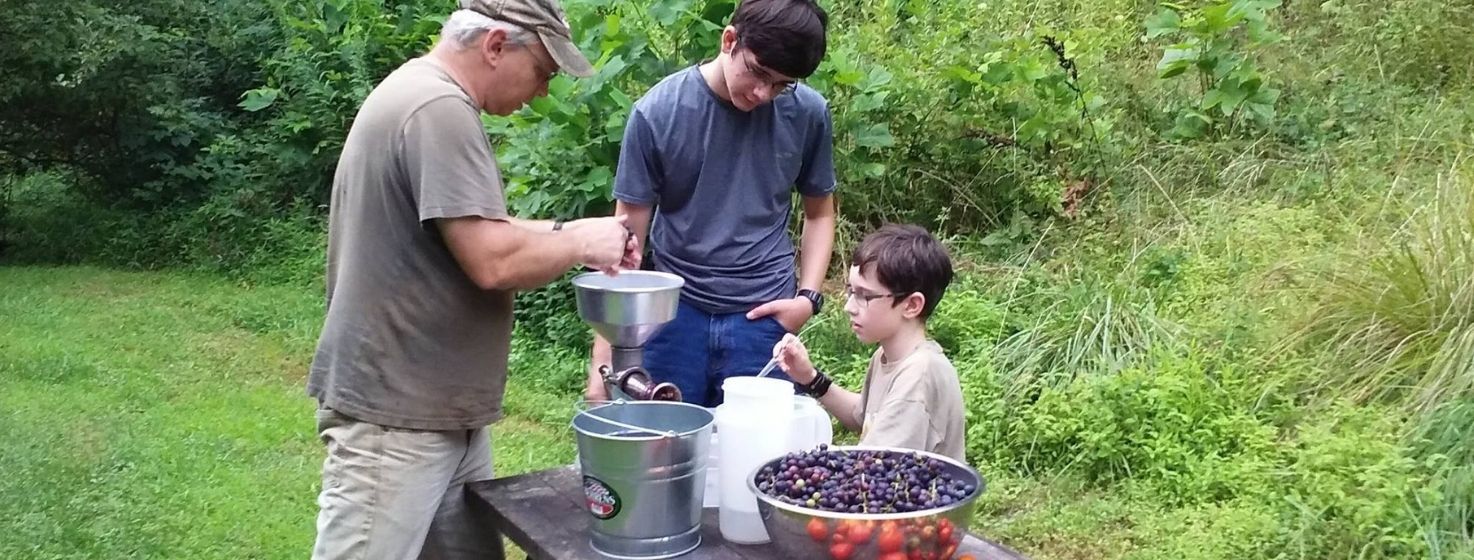
    Our boys have learned teamwork, first in our family, the primary training ground for learning the importance of sacrificing for the “team.”  Teamwork has been reenforced at church where “many hands make light work” and unity of purpose for another’s glory is most highly esteemed.  They’ve learned “no pain, no gain” in the berry patch.  They’ve had the thrill of victory when landing a trophy-sized fish and experienced the agony of defeat in more ways than I could list.  We tend to believe that there are no life lessons learned on a sports team that can’t be learned just as well, or better, in other venues.        

    We’ve made our choices, and we don’t fault or criticize those who have made different choices.  We certainly don’t want to tell others how to parent their own children. 

    But we do want to be an encouragement to those parents who may be hesitant about their children getting involved in organized sports.  I want to tell you in all capital letters:  IT’S OKAY TO HAVE OTHER PRIORITIES.  And we want to encourage parents who may be thinking of stopping homeschooling, or adopting a “public school at home” approach so that their children can participate in public school sports, to pray and diligently seek God’s direction. 

    As I write this, our oldest is packing his totes to move into his college dorm.  The years have flown by – too quickly it seems.  And I am thankful that we have “run with perseverance the race marked out for us…”

    Sacrifices? Yes.   Rewards?  Greater.

    But you knew this already, didn’t you?

  • WV Textbooks Available for Members!

    WV Textbooks Available for Members!

    We have a limited number of textbooks available for 8th grade WV Studies – that we are providing to CHEWV members at cost!  These are used editions – not the new edition for 2019-20.  If you did not catch our latest article that explains the text and editions available, click here.

    If you are a member and excited to have access to a textbook at such a great price, then click here!

    If you have questions, email hsdc@chewv.org.

    Montani semper liberi!

  • Preparing for the Golden Horseshoe Test

    Preparing for the Golden Horseshoe Test

    [et_pb_section fb_built=”1″ admin_label=”section” _builder_version=”4.16″ global_colors_info=”{}”][et_pb_row admin_label=”row” _builder_version=”4.16″ background_size=”initial” background_position=”top_left” background_repeat=”repeat” global_colors_info=”{}”][et_pb_column type=”4_4″ _builder_version=”4.16″ custom_padding=”|||” global_colors_info=”{}” custom_padding__hover=”|||”][et_pb_text admin_label=”Text” _builder_version=”4.21.2″ background_size=”initial” background_position=”top_left” background_repeat=”repeat” hover_enabled=”0″ global_colors_info=”{}” sticky_enabled=”0″]

    ~the 2nd in a series of articles~

    Click here to read the 1st article in the series.

    Learning about West Virginia in the 8th grade is both a valuable academic opportunity and essential preparation for the Golden Horseshoe exam, a prestigious statewide competition.  Even if your student does not plan to take the Golden Horseshoe test, the study is traditional for Mountaineers and a perfect complement to the middle school years.  Recommended resources are listed below:

    • West Virginia: Its Land, Its People is the textbook used in public and private schools.   Parents may be able to borrow the textbook from their local middle school or order the book through this link: https://www.clairmontpress.com/wv.html. CHEWV has teaching resources available to members.

    State law says that county BOEs may issue a homeschool student a book if they are available, but schools are not required to loan textbooks if they do not have enough. Contact your county’s BOE or your local middle school’s WV History instructor to find out what is available.  While teacher editions and answer keys are not likely to be offered, CHEWV has resources for members to help plan and teach WV history.

    Check your local library for additional resources for teaching WV History:

    • The Golden Horseshoe  by Frances B. Gunter is a fictionalized mystery that sends a group of youth on a mysterious quest. As a result, the reader learns about important historical events. Your student may not realize this is a history book as they get caught up in the story!
    • West Virginia Encyclopedia, by Ken Sullivan, is also available online. They have a great guide for teachers with a list of relevant articles.

    The West Virginia Cultural Center offers online resources that would be an invaluable addition as you teach your students about West Virginia history including quizzes!


    West Virginia History Tip #2: Not only does the Golden Horseshoe test cover state history, it includes questions about economics, cultural studies, civics, geography, and popular culture. Students should strive for mastery of these areas to provide a comprehensive picture of the great state of West Virginia.

    West Virginia History Tip #3: Educational field trips include Blennerhassett Island and Prickett’s Fort, both of which close for the winter season in October or November. These state parks are wonderful living history opportunities for your students to experience history outside of the world of a textbook. Plan your trip today!


    Read the next article in the Golden Horseshoe series here.

    [/et_pb_text][/et_pb_column][/et_pb_row][/et_pb_section]

  • Homeschooling on a Budget

    Homeschooling on a Budget

    Many factors can affect the costs associated with homeschooling, ranging from curriculum choice to where you live; the number of children and their ages; and a million other little details that may pop up along the way.  Here’s a list of recommendations to contemplate in order to help you save a little to a lot without too much effort.

    While this first suggestion might seem obvious, simply reuse instructional materials as much as possible.  If you have multiple children, often books and curricula can be reused by younger students as they advance, whether close in age or not.  Give some thought to utilizing what you already have at home for various manipulatives rather than buying special items.  You’d be amazed at the creative teaching tools that can be found in your kitchen!  Also, don’t forget to ask friends if they have anything you can use, particularly if they, too, are homeschoolers.

    Similar to reusing supplies, consider sharing resources among your local homeschool community.   Second-hand items can greatly reduce stress on anyone’s budget.   Everything from used desks, chairs, tables, bookcases, storage cubicles, as well as smaller supplies, can be a blessing and save a budget.   Get involved with your local support group in order to meet other families who might be offering gently used resources for sale or give-away.  Should a couple of families decide to swap materials back and forth, that’s the perfect opportunity to practice the words of our Lord Jesus:  “If you are not faithful with other people’s things, why should you be trusted with things of your own?” (Luke 16:12 NLT)

    That same principle applies, of course, to borrowing books from your local Public Library.  Thousands of home educators handily keep costs down by taking advantage of vast library resources of great histories and biographies, supplemental works of fiction and non-fiction, research journals, how-to guides of all sorts, and even expensive “coffee table” books that highlight art styles or travel destinations, for example.

    Don’t forget to look for sales and try to buy in bulk, when possible, a strategy which you probably already employ for other purchases to stretch your budget.  For bulk purchasing, you might reach out to area homeschoolers or even your local co-op to help multiple families at one time.

    Much like scouting around for sale bargains, bulk suppliers like Amazon (click in right sidebar), Christianbook.com and similar online suppliers can save you money!

    Lastly, believe it or not, a significant number of free homeschool resources can be found online.  From sites like amblesideonline.org to easypeasy homeschool (allinonehomeschool.com), curriculum can be completely free!  Rewarding supplemental resources abound as well.  Start with this Pioneer Woman blog post for a huge list.   Other online-found resources are in the form of second-hand items that can be picked up locally for free, or assorted original resources which other homeschool families have put together.  Pioneer homeschoolers didn’t have such resources at their fingertips, so count your blessings and enjoy the progress!

    First, finally, and everywhere in between, it’s worth reminding each other to stop and thank God for His abundant provision!  Because Jesus desires the best for us and our children, whom we are ultimately teaching and training for His glory, why not invite Him to direct your decisions as well as give you witty inventions where homeschooling expenses are concerned?  He is faithful to supply your needs as you trust and acknowledge Him in all your ways. 

  • Homeschooling: Getting Started Part 1

    Homeschooling: Getting Started Part 1

    Choosing to homeschool is a major decision.  Although homeschooling has been around for many years, it is still not as familiar as “going to school”.  Families contemplating homeschooling can experience apprehension. Questions arise from doubts within and  individuals without. This article is designed to answer some of those questions and give parents the confidence and encouragement they need to train their children at home.

    What about socialization?

    The word socialization has its roots in the word social.  Socialization is commonly understood to be the ability to relate to others of varying ages and interests in an amiable manner.  

    When children are placed in a public school setting, they relate to only a fraction of the population – their peer age group. Exposure to other age groups is quite limited and thus socialization is narrow.  We have all seen examples of children who cannot answer a simple question from an adult or do not know how to enjoy and play with someone younger. Children who are schooled at home, however, are not bound by rooms and peer age groups.  Homeschoolers tend to be able to experience life outside the confines of age and place where their awareness of others and others’ needs is awakened.

    The mail carrier, who would normally go unnoticed, becomes a friend to look forward to seeing each day.  Likewise, the clerk at the store becomes someone to greet with courtesy.  Not only does research show homeschoolers are often more appropriately socialized than their public school counterparts, but people who know homeschool families can generally attest these children interact very well with others.

    Will my child learn everything he/she needs to know?

    Today, there is a  multitude of curriculum choices available for homeschooling families.  This, coupled with the parents’ desire and commitment to provide a quality education, adds up to a successful formula.  Excellent books and resources, such as Robin Scarlata’s book entitled What Your Child Needs to Know When, the WVDE website lists the state’s grade level standard, and a browse through some curriculums can  help establish learning points for each grade level.

    Am I qualified to do this?

    According to WV state law, anyone with a high school diploma or equivalent may legally teach their children at home. Current research indicates that the parent’s level of education has a negligible effect on the education level of a homeschooled student.  God can accomplish wonderful things through dedicated and committed parents who are set on having their child succeed.

    Is it legal?

    Homeschooling has been legal in WV since 1986. CHEWV encourages you to know and understand the WV State law.  For your convenience, visit the WV Homeschool Law page on our website for the full text of the law.

    How do I do begin?

    If you are investigating homeschooling for the first time or not sure how to begin, CHEWV has developed the following steps to get started.  These steps are not necessarily meant to be sequential, although some steps may best be accomplished before others.

    1. Investigate the Legality
    • Know the requirements of the WV Homeschool Law
    • Submit a one-time Notice of Intent (NOI) including all children of compulsory age (age 6 as of July 1).  If another child is added later, another NOI will need to be submitted for that child only.
    • An annual assessment must be completed annually for every grade level.   Assessment reports are only submitted to the county in  grades 3, 5, 8, and 11.  The deadline for an assessment report to the county school board  is  June 30.  Assessments for all other grades are to be completed annually and kept in your records for at least 3 years.
    *It is recommended that all notices and reports be sent via registered/certified mail to alleviate any question about when documentation arrived.
    2. Prepare Your Child to Learn

    How does your child learn?  Just as we all possess individual personalities, we also have different learning styles.

    There are 3 basic learning styles.

      1. Auditory – by hearing
      2. Visual – by seeing
      3. Kinesthetic – by doing

    While each person may have a bent or preference, that does not mean all learning should be focused toward this bent.  Learning should be built upon all three methods, so each style or ability is developed fully within the child.

    It is helpful to know your child’s learning style in choosing what kind of curriculum to use in homeschooling.  For example, if you have a kinesthetic learner, he will become frustrated with a curriculum that consists primarily of workbooks (visual).

    Many have found the three following basic tips are helpful in making your day more enjoyable and successful:

      • Teach Obedience – A child needs to understand that he/she must carry out Mom’s instructions. Many child training books and good blogs are available if help is needed.
      • Develop Listening Skills – Teach your child to be attentive and listen completely to all instructions given before acting upon them.
      • Develop an Excitement for Learning – Be enthusiastic, not apprehensive about learning together.  Ask questions; pique interest; read extensively
    3.  Set Priorities and Goals

    Goals give you a road map, so you know where you are headed and don’t get side-tracked. Homeschooling brings an added responsibility in your life.  Prioritizing your day’s activities and events and developing a schedule will help in fulfilling your goals.  

    What goals do you want to accomplish by the end of the year?

          • Subjects to cover
          • Character issues to address
          • Mastery of subjects to achieve

    Keep your goals simple and tangible, so you can see your accomplishment each time you reach a milestone.  On my first day, my goal was simply to move through each subject and make it to the end of the day!  I am now nearing the time when my goals are more long term.  When I begin a year now, I try to keep my goals and priorities pointed toward the end of high school and what will need to be accomplished by then.

    Our ultimate goal is to raise children who will love the Lord their God with all their heart, soul, and mind and love their neighbors.  We strive to train up children who will be able to stand – with us and without us.

    Continue Getting Started: Part II

  • Are People the Problem?

    Are People the Problem?

    by John Carey, CHEWV Legislative Liaison

    The battle to pass the Education Reform Bill was passionately fought on both sides. While the side that supported more freedom and greater options for parents, children, and local communities won a victory, the side that opposed these changes has not given up, adamant that they will have their say come the 2020 election.

    The education bill’s advocates and detractors see the world quite differently. Advocates feel the parents are the solution; the detractors, on the other hand, see parents as the problem. Two opposing worldviews result in two different legal outcomes. Ultimately the question becomes: do we have more faith in people or in institutions?

    Throughout the battle to pass the Education Omnibus Bill, home educators’ only request was for the homeschool exemption to be left standing without any changes. Our main concern was that the government-funded ESA program would be combined with the homeschool exemption, making it appear that homeschooling was government-funded, which would invariably lead to increased regulation. In the end, the Senate chose to keep ESAs separate; later, the House chose not to advance the ESA legislation. But while homeschoolers’ concerns were addressed in this particular bill, I believe the underlying worldviews of the two sides will greatly affect us in the future.

    The battle for the Education Reform Bill, which included provisions for charter schools and ESAs, went on for so long because legislators would not give up the fight. They were passionate about giving more educational control to parents, teachers, and local communities; they had heard from their constituents many times over the years and chose to respond to their cries for help. One point made in committee early in 2018 was that the state-approved curriculum prevented a parent from being able to help their child with their math homework. Clearly the system – by design – excluded parents from helping their child.  Legislators came to believe that if they did not act, nothing would change.

    So why do legislators believe that parents having more control is a good thing? Over the last three decades, it has become evident that increased parental control over education brings positive results. Just look at homeschooling. Even when a parent lacks an advanced degree and is not certified in any of the subjects they teach, their children excel both academically and socially and become lifelong learners1.  

    Day by day, homeschooling proves that there are ways to improve educational outcomes.

    So what is the response from those who want to maintain the status quo in education? Their main claim over the last 18 months has been that the problem is not the current system. Instead, pointing to the opiate crisis and dysfunctional families as the cause for low test scores, they place the blame on the children who attend public school – and their parents. Such reasoning is rooted in pessimism and implies that those who seek to change the system are uninformed and misguided.

    Low views of individuals or groups is nothing new in America and has been used many times over the years to change the law and threaten basic civil rights. For example, Margaret Sanger, founder of Planned Parenthood, is quoted:

    “Authorities tell us that 75% of the school children are defective. This means that no less than fifteen million schoolchildren, out of 22,000,000 in the United States, are physically or mentally below par… We prefer the policy of immediate sterilization, of making sure that parenthood is absolutely prohibited to the feeble-minded2.”

    This is a shocking example of what happens when you stop looking at people as people and start looking at them as problems.  Laws do not change for the better; restrictions increase; freedoms melt away. Eugenics was a sick legal practice in America that took away the rights of thousands of people. Courts, including the US Supreme Court, decided in favor of forced sterilization. Legislators did too. West Virginia did not repeal Article 16, referred to as the “sterilization of mental defectives” provision, until 2013, and evidence suggests that sterilization of the “defectives” was allowed until at least 2011.

    As long as there are those in power who view people as the problem, we can expect laws enacted that seek to limit freedom. For example, why are there so many bills introduced that seem to limit parental rights and control children?  After asking this question, Heritage Communications of West Virginia (HCWV) took a look at the Youth Incarceration rate in West Virginia. We were shocked to discover that while 47 states have reduced the number of kids removed from their homes, West Virginia’s youth incarceration has risen dramatically3, mainly because of truancy violations4.

    This is what happens when people are seen as the problem. If you do not trust people, then you take away their freedoms.  Fortunately, we have a document that supports our view that people should be valued and their rights protected. Let’s better understand that document and get very good at explaining it to our representatives. At the same time, we need to thank legislators who stand up for our freedoms; each of us needs to see them as part of the solution.

    In 2000, when homeschoolers went to Charleston to change the law so that all our members could homeschool past 8th grade, we were not asking for favors. We were asking that the legislature give back what they had taken away: the freedom to homeschool our own children as God directs.  The legislators of 2000 expanded our freedom.

    Unfortunately, the message that demeans parents and children has grown in West Virginia since then. It is only a matter of time before more laws are introduced, based on this view, that limit our freedom. If not today, detractors will try again after the election if more people are elected who think like them. 

    The time comes when we all must ask: what kind of world do we want to pass on to our children and grandchildren? One that respects and values them and expands their freedom? Or one that lacks faith in them and believes they need to be controlled? For their sake, what message are we going to allow to stand? How about this one:

    We hold these truths to be self-evident, that all men are created equal, that they are endowed by their Creator with certain unalienable Rights, that among these are Life, Liberty and the pursuit of Happiness.–That to secure these rights, Governments are instituted among Men, deriving their just powers from the consent of the governed.  


    https://new.chewv.org/wp-content/uploads/2015/04/Study_Brochure5.pdf
    2 The Pivot of Civilization Margaret Sanger (Planned Parenthood founder), Brentano’s Press, NY, 1922, p. 263
    3 https://csgjusticecenter.org/wp-content/uploads/2015/11/juvenile-incarceration-rates.png
    4 https://jjie.org/2015/04/08/west-virginia-eases-strict-truancy-law/

    1. https://new.chewv.org/wp-content/uploads/2015/04/Study_Brochure5.pdf []
    2. The Pivot of Civilization Margaret Sanger (Planned Parenthood founder), Brentano’s Press, NY, 1922, p. 263 []
    3. https://csgjusticecenter.org/wp-content/uploads/2015/11/juvenile-incarceration-rates.png []
    4. https://jjie.org/2015/04/08/west-virginia-eases-strict-truancy-law/ []
  • What is the Golden Horseshoe Test?

    What is the Golden Horseshoe Test?

    [et_pb_section fb_built=”1″ admin_label=”section” _builder_version=”4.16″ hover_enabled=”0″ global_colors_info=”{}” sticky_enabled=”0″][et_pb_row admin_label=”row” _builder_version=”4.16″ background_size=”initial” background_position=”top_left” background_repeat=”repeat” global_colors_info=”{}”][et_pb_column type=”4_4″ _builder_version=”4.16″ custom_padding=”|||” global_colors_info=”{}” custom_padding__hover=”|||”][et_pb_text admin_label=”Text” _builder_version=”4.21.2″ background_size=”initial” background_position=”top_left” background_repeat=”repeat” hover_enabled=”0″ global_colors_info=”{}” sticky_enabled=”0″]

    And Can Homeschoolers Participate?

    ~the first in a series of articles from CHEWV~

    In 1716, the lieutenant governor of Virginia, Alexander Spotswood, gathered a group of men and set out to discover the land beyond the mountains. The group experienced both great times and great struggles as they explored lands west of the Blue Ridge Mountains.  When they returned, Spotswood awarded each man a golden horseshoe, and they became known as the Knights of the Golden Horseshoe.

    West Virginia DOE began promoting West Virginia Clubs in 1929 to help students appreciate their Mountain State heritage and history. Two years later the first Golden Horseshoe test was given. The top scorers from each county received a Golden Horseshoe pin and were dubbed Knights and Ladies of the Golden Horseshoe.

    Every year since 1931, 8th grade students have had the opportunity to study the state’s history, economics, culture, and geography, and then take the Golden Horseshoe Test. Sponsored by the West Virginia Cultural Center, the test is given in local middle schools, and only the top scorers are awarded the Golden Horseshoe.

    Since many homeschool students have asked if they can take the test and how they should go about preparing for it, CHEWV will highlight different aspects of West Virginia studies in an effort to help them achieve this milestone. Next in the series we will look at potential textbooks and other information sources that parents can utilize as they teach their children West Virginia history.

    If you know of a homeschooled student that has received a Golden Horseshoe, please send their name, county, and year they received the award to HSDC@CHEWV.org. If you have a photo of them at the ceremony, please send that as well.


    WV History Tip #1: Summer is a great time to visit West Virginia’s historic sites, a great way to provide visual and sensory understanding to history lessons. 


    Read the second article in this series here.

    [/et_pb_text][/et_pb_column][/et_pb_row][/et_pb_section]

  • Confessions of a Homeschool Graduate

    Confessions of a Homeschool Graduate

    My Life as a Home-Educated Student: Exposed 

    by Megan Frame
    May, 2019

    As I approached my high school graduation, I began to realize that many people wondered how I would adjust to life and whether I would come to resent being homeschooled. Some people were curious, others genuinely worried. To be honest, I don’t blame them at all for their concern. Homeschooling isn’t really the norm and can seem intimidating if you aren’t familiar with how it works. Now that I am graduating and a new chapter in post-homeschooling is beginning, I would like to shed some light on the past thirteen-plus years of my life. I want to make it clear from the beginning that while I hope this encourages some to consider homeschooling their own children, this is also intended to bring glory to my Savior, Jesus Christ, because it is by His Grace alone that “I am what I am”  (1 Corinthians 15:10).

    Introduction

    My name is Megan, and I am almost eighteen years old. My parents began homeschooling me before kindergarten, so I have been homeschooled all the way through. I am a first-generation homeschooler – meaning both of my parents went through the public school system. It was a hard decision for my parents to begin homeschooling me. The only homeschoolers they knew were my mom’s brother and his wife.

    My parents never even considered homeschooling as an option until I was three years old. They began wrestling with the idea, and after a lot of research, hours of prayer, and sleepless nights, my parents said they knew beyond the shadow of a doubt that God was calling them to homeschool.

    So began a thirteen-year journey of home education.

    Missing Out

    During the course of my homeschooling experience, many people had concerns. The top three were usually making sure I was “socialized,” wondering how I would have an impact, and fearing I would miss out on the “high-school experience”—sometimes all of the above. Now that I am graduating and looking back, I will try to explain my personal feelings about all three.

    A common misconception is that homeschoolers will miss out on being socialized. However, being homeschooled gave me a wonderful opportunity to interact with people of all ages, not just my own age group. Sure, I had plenty of friends my own age (and still do), but my parents were also very intentional to help me desire and pursue friendships with people of all ages. As a result, I have learned many life lessons and words of wisdom from the older and wiser friends I have made, and I have meaningful relationships with numerous kids younger than me.

    It really is not a question of whether kids will be socialized, but rather by whom they will be socialized and whom they will learn to imitate. I did not really need a group of thirteen-year-olds to teach me how to be a teenager – when the time came, I already had that down pretty well. What I needed most were older, mature adults to imitate, and for them to teach me how to develop mature character. I am so thankful for the relationships I made during that time, and how they still continue to help me grow today.

    Another concern is worrying how homeschoolers can make an impact. In turn, I will say that children always make an impact – but whether that impact is good or bad is the question. Among the many reasons people choose to homeschool, my parents’ biggest reason was so they could raise me in the fear and admonition of the Lord, building a strong foundation to stand on. They felt they could do this best if they were the ones choosing what went into my impressionable little mind from the beginning, so that one day, when they weren’t the ones choosing, I would make my own decisions based on the foundation of the Word of God they had laid under me. I am forever grateful that homeschooling has given me so many incredible opportunities to make an impact. God has allowed me to be involved in many different things.

    For example, my dad got a job at the Gassaway Armory in 2013. Since homeschooling allows for flexibility, we were able to go down during work hours and take snacks to the U.S. Army personnel stationed there. As a result, we have been blessed to establish personal relationships with at least thirty-eight different active duty members of the military, as well as most of their families! We have had twenty-two of them in our home, including the highest ranking enlisted U.S. Air Force officer in West Virginia at the time! Talk about an incredible learning experience.

    My parents have always emphasized the importance of being a servant, so I have been involved in the community since I was young. My mom and I have been able to serve with the program Christmas From the Heart for several years now, and, despite being homeschooled, I have even been involved in local school events. As a junior I was given the opportunity to be a speaker for an FCA meeting at Braxton County Middle School and have made many connections by volunteering at high school sporting events. Honestly, I couldn’t be more grateful for the opportunities that homeschooling has given me to impact others.

    Finally, did I “miss out” in high school? First, I really am not sure what the technical definition of the “high school experience” is, but I’m pretty sure there are a variety of opinions.  So did I miss out?  Well, in my opinion, yes – I did miss out. But here’s how that was actually a good thing. Although I have a lot of homeschooled friends, I have almost an equal amount, if not more, friends who are in public school. Because of that, I am very well informed about the happenings and goings-on at the local high school. I hear all about the constant drama – bullying, sexual harassment, corrupt language, and teen pregnancies. Oh, and yes I had the opportunity to attend prom more than once and I politely declined. I have also been in the school more than once for events or to take a test, and my conclusions are the same every time I leave – that I am so glad I missed out on the “high school experience,” whatever that may include. No regrets here!

    The Struggle is Real (but so are the benefits) 

    Homeschooling isn’t a perfect world. It’s hard and there are struggles. My family doesn’t always get along, and God has definitely shown us all the character qualities we lack – and in doing so made clear our need for reliance on His grace in our weakness.

    However, in the midst of all the chaos, the rewards have been incredible. My parents have sought from the beginning to have my heart, and I so value my relationship with them. Along with that, I have an incredible relationship with my sister as well. As I mentioned earlier, the primary reason that my parents chose to homeschool was spiritual training, but there are innumerable other benefits that come from homeschooling. Since it makes for a flexible schedule, vacations did not have to take place during peak season (mid-September beach trips are the best), nor did field trips with our homeschool group (like going to Gritts Farm at 10:00 am on a Thursday). “Double-up” is a common homeschooler phrase that’s definition is most easily explained as “temporary freedom for future heart-ache.” As in, I could be off Tuesday for the homeschool cookie-swap, as long as I did double the school work the next day. See what I mean?  People would sometimes ask whether I got snow days. Actually no, we didn’t take snow days, but that didn’t bother me. Here’s why: I was home anyway, so why would I not just go ahead and do school?  We took “sun-days” instead. I would much rather take off on a pretty day in the spring!

    Homeschoolers are often accused of doing school in their pajamas. I have to say, guilty as charged. To say I have never completed a full day of school in my pj’s would be a total lie… but who wouldn’t do their school in pajamas if given the chance?! Also, did I mention that since I was able to work non-stop on my school work, I was able to complete it in half the time it takes in a public school classroom? No lines, no walking from classroom to classroom or waiting on help from the teacher. It was great, and gave me more time to spend pursuing things that interested me. But then again, I was also able to work intermittently throughout the day as well. As in, I could work a few hours in the morning, take a few off in the afternoon to go fishing, and then come back and finish my work. The options were endless! My education itself was fantastic too – no need to hurry up and move on if I didn’t understand just because everyone else had. I had one-on-one tutoring the whole way through. If I did not understand my math lesson, we just took an extra few days to learn it completely, no big deal. Mom chose curriculum that fit with my learning style, and when I was older I even got to choose electives that interested me – like photography and apologetics – which made my learning experience an A+. Most importantly, we were able to choose curriculum that approached the subjects from a biblical worldview and helped me grow in my walk with the Lord.

    Spiritual training is a huge benefit that comes from homeschooling. There is no doubt being raised in a Christian environment and being under the constant influence of my parents affected me. The writer of Psalms knew the impact of raising children with a strong foundation so that they could go out into the culture as warriors and trained witnesses for Jesus Christ. “Like arrows in the hand of a warrior are the children of one’s youth. Blessed is the man who fills his quiver with them!” (Psalm 127:4-5). In June, I will be a legal adult. I have already started doing many things on my own, and depending on what God’s Will is for me, it might not be long before I am out from under my parents’ guidance and protection. I personally am so very thankful for the foundation they diligently worked to build under me.

    In Conclusion

    My prayer and earnest desire in writing this is that my story would be an encouragement. If you are currently homeschooling, be encouraged to keep pressing on, despite the hard days – it’s worth it!  If you are considering homeschooling or have never even thought of the idea, I hope that you would prayerfully consider it as an option. Homeschooling is not for everyone, and it is a decision between you and the Lord, but for me, I truly believe that I would not be who I am today without it. It’s been a long road, and I am so excited to see what the next chapter of my life will be. To God be the glory!

    “You shall love the Lord our God with all your heart and with all your soul and with all your might. And these words that I command you today shall be on your heart; you shall teach them diligently to your children, and shall talk of them when you sit in the house, and when you walk by the way, and when you lie down and when you rise up.” – Deuteronomy 6:5-7

  • Graduation 2019

    Graduation 2019

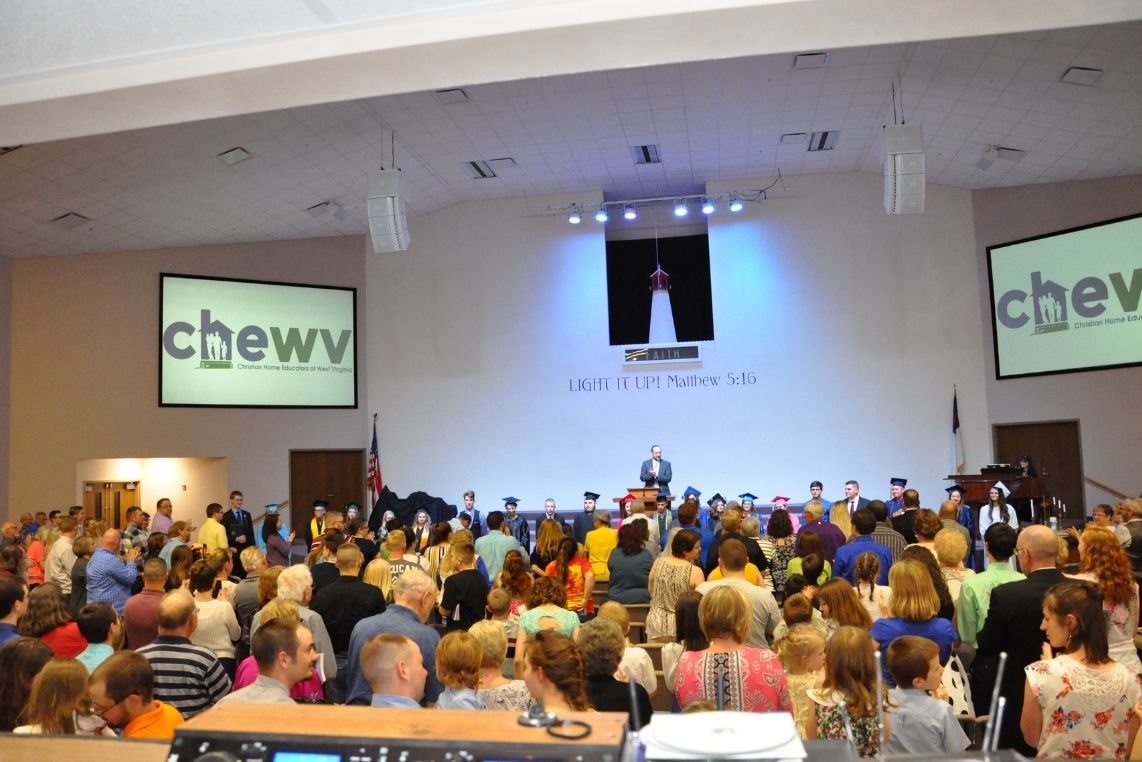
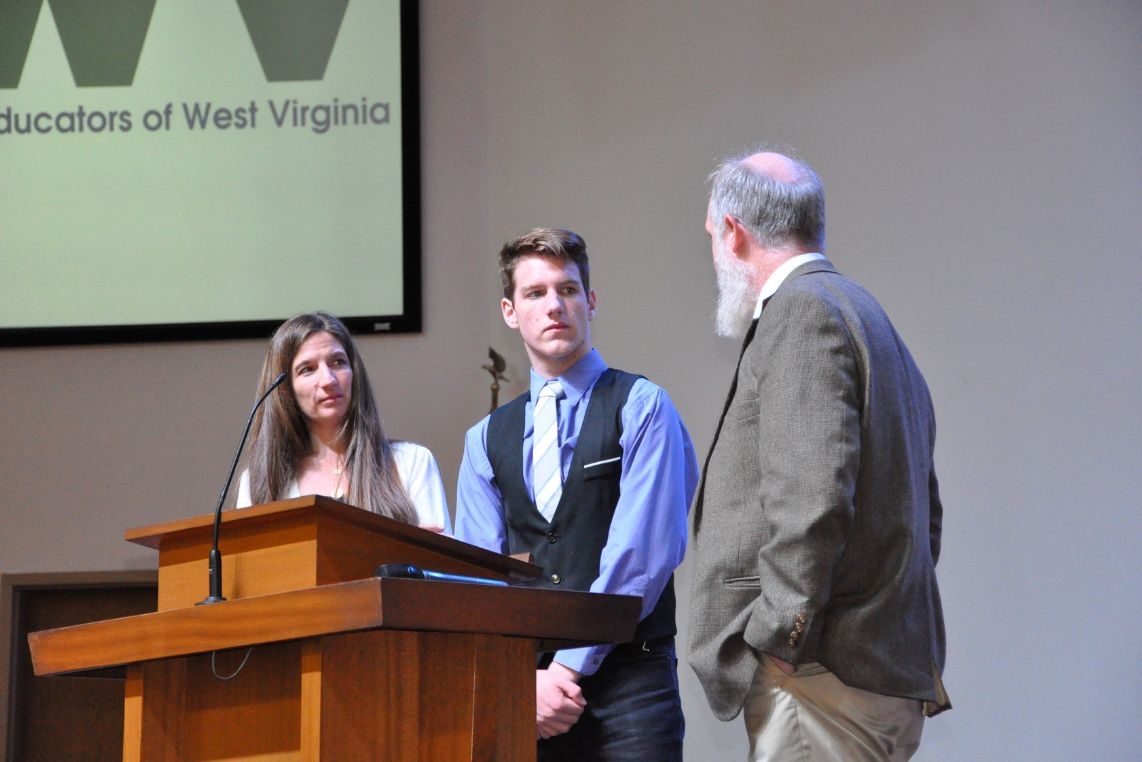
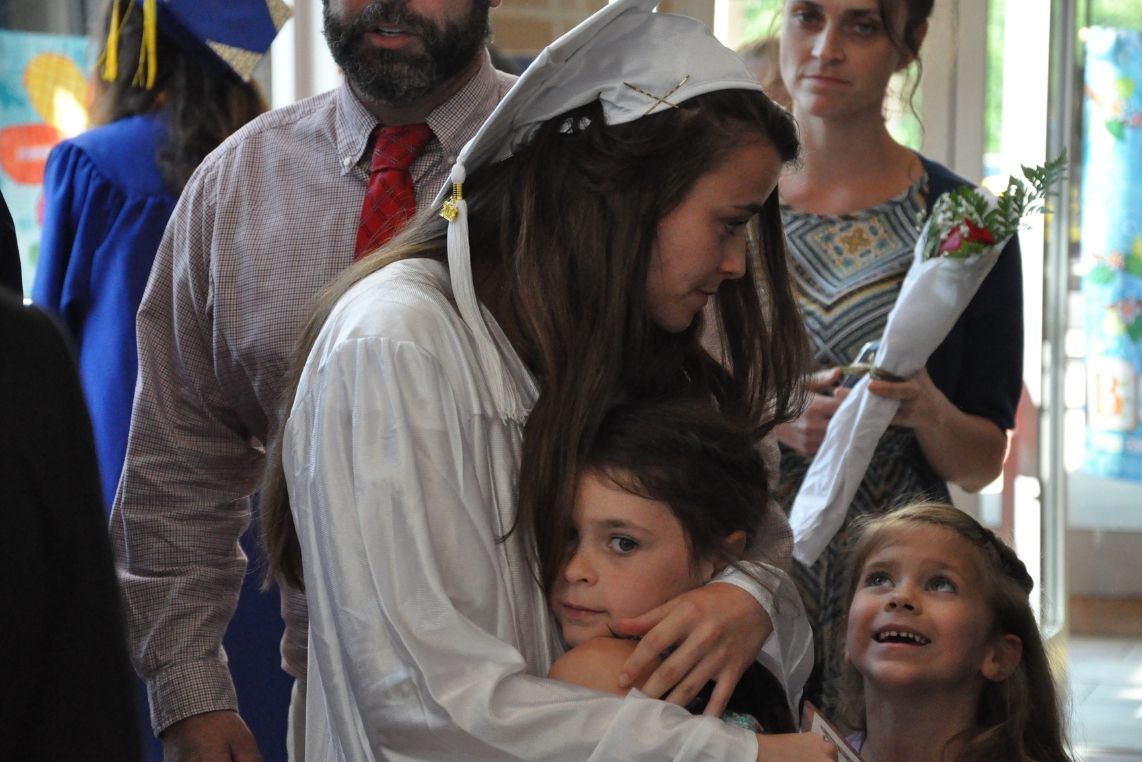
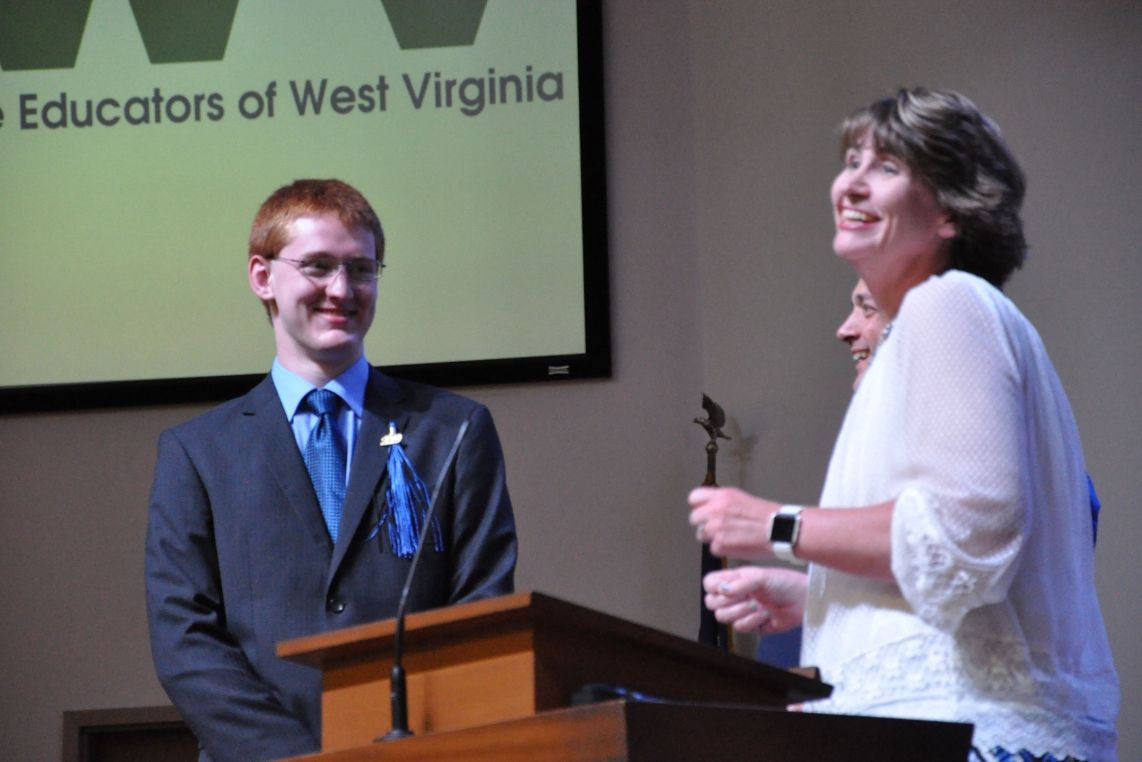
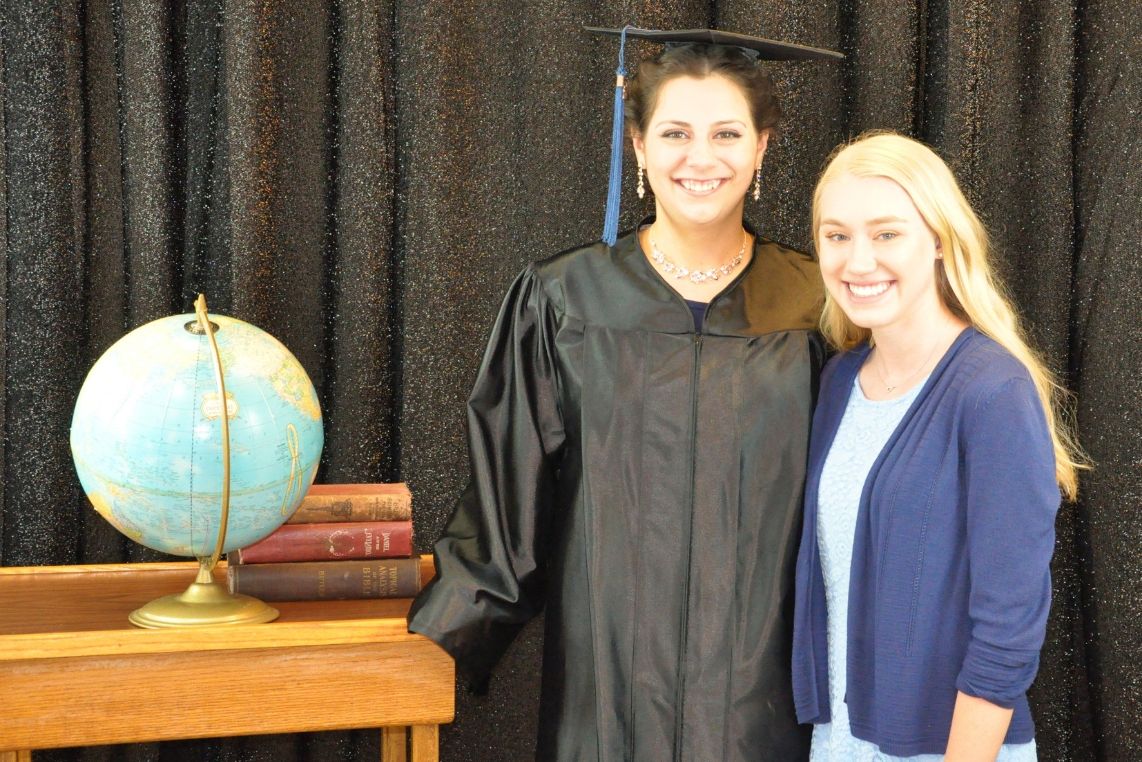
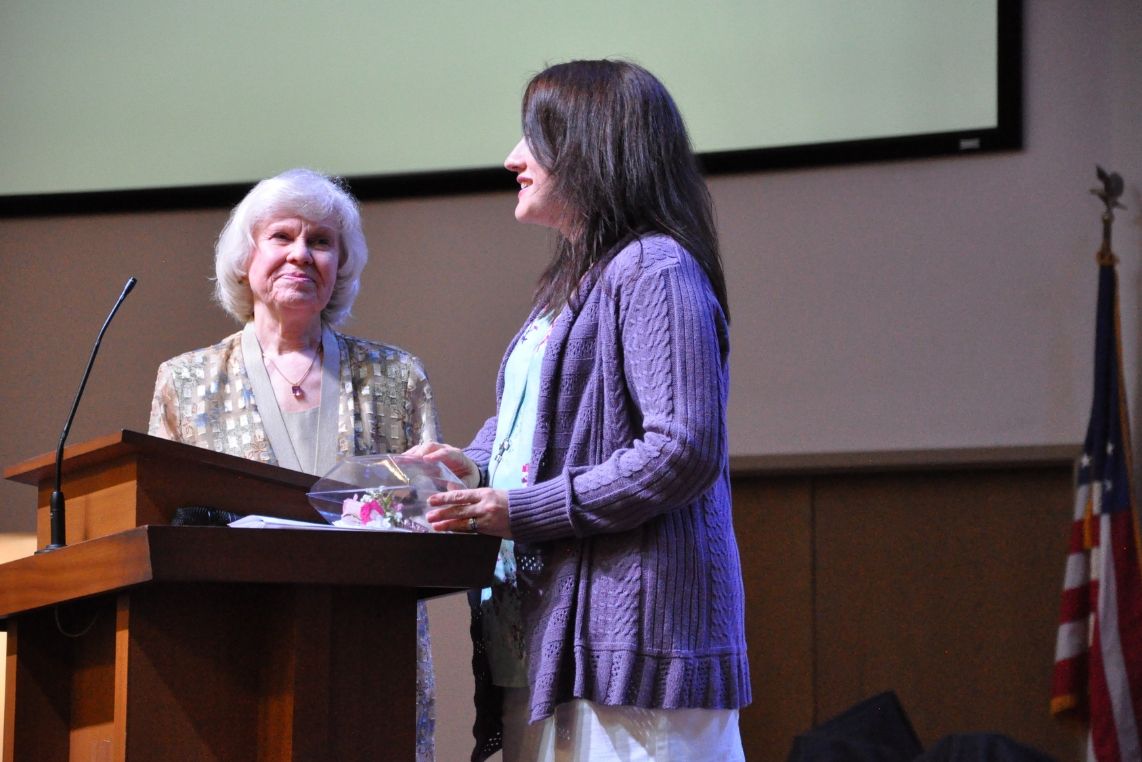
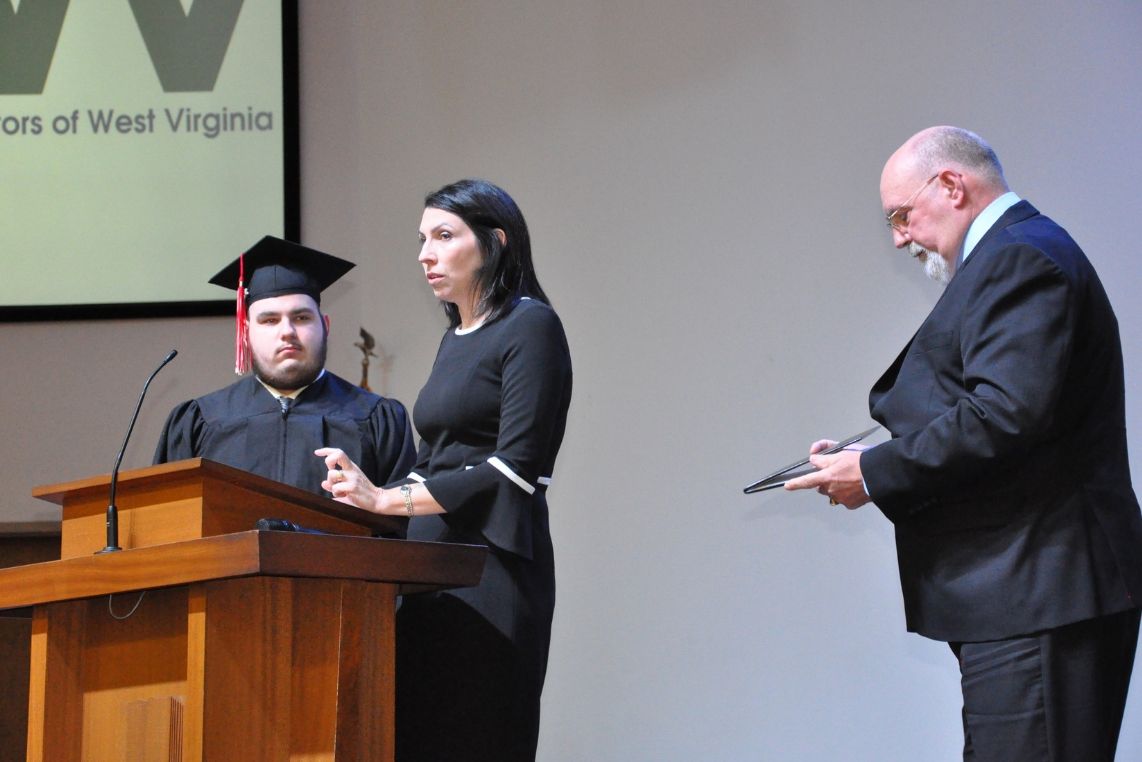
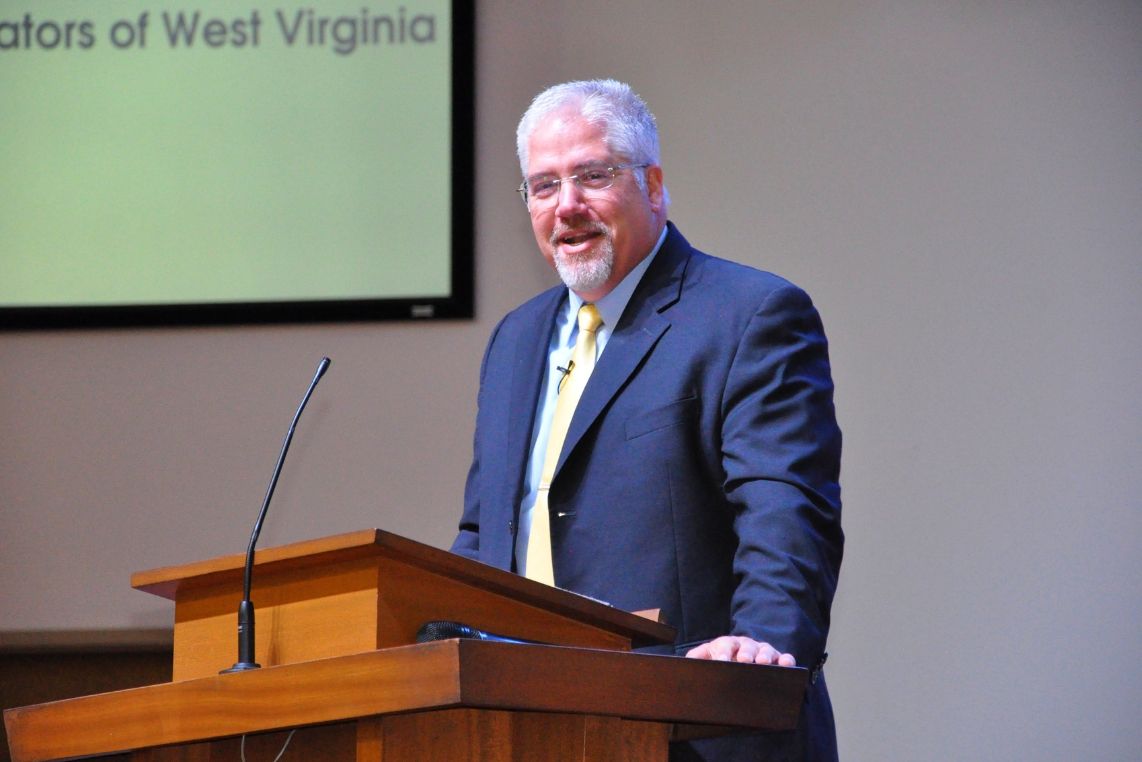
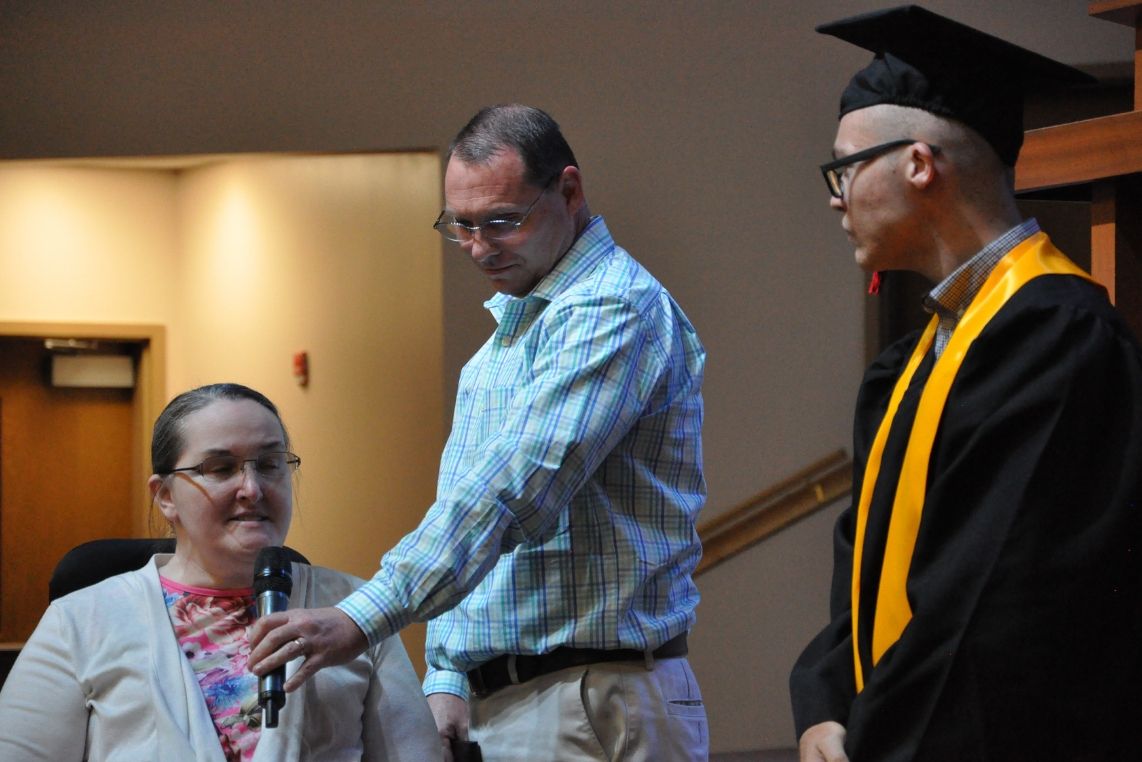
    With our largest class ever, the 2019 CHEWV Graduation was a celebration of God’s blessing on 21 young adults from all across the Mountain State. Whether you were able to attend or not, we hope you enjoy this picture gallery of our special afternoon.