Category: News

  • Are People the Problem?

    Are People the Problem?

    by John Carey, CHEWV Legislative Liaison

    The battle to pass the Education Reform Bill was passionately fought on both sides. While the side that supported more freedom and greater options for parents, children, and local communities won a victory, the side that opposed these changes has not given up, adamant that they will have their say come the 2020 election.

    The education bill’s advocates and detractors see the world quite differently. Advocates feel the parents are the solution; the detractors, on the other hand, see parents as the problem. Two opposing worldviews result in two different legal outcomes. Ultimately the question becomes: do we have more faith in people or in institutions?

    Throughout the battle to pass the Education Omnibus Bill, home educators’ only request was for the homeschool exemption to be left standing without any changes. Our main concern was that the government-funded ESA program would be combined with the homeschool exemption, making it appear that homeschooling was government-funded, which would invariably lead to increased regulation. In the end, the Senate chose to keep ESAs separate; later, the House chose not to advance the ESA legislation. But while homeschoolers’ concerns were addressed in this particular bill, I believe the underlying worldviews of the two sides will greatly affect us in the future.

    The battle for the Education Reform Bill, which included provisions for charter schools and ESAs, went on for so long because legislators would not give up the fight. They were passionate about giving more educational control to parents, teachers, and local communities; they had heard from their constituents many times over the years and chose to respond to their cries for help. One point made in committee early in 2018 was that the state-approved curriculum prevented a parent from being able to help their child with their math homework. Clearly the system – by design – excluded parents from helping their child.  Legislators came to believe that if they did not act, nothing would change.

    So why do legislators believe that parents having more control is a good thing? Over the last three decades, it has become evident that increased parental control over education brings positive results. Just look at homeschooling. Even when a parent lacks an advanced degree and is not certified in any of the subjects they teach, their children excel both academically and socially and become lifelong learners1.  

    Day by day, homeschooling proves that there are ways to improve educational outcomes.

    So what is the response from those who want to maintain the status quo in education? Their main claim over the last 18 months has been that the problem is not the current system. Instead, pointing to the opiate crisis and dysfunctional families as the cause for low test scores, they place the blame on the children who attend public school – and their parents. Such reasoning is rooted in pessimism and implies that those who seek to change the system are uninformed and misguided.

    Low views of individuals or groups is nothing new in America and has been used many times over the years to change the law and threaten basic civil rights. For example, Margaret Sanger, founder of Planned Parenthood, is quoted:

    “Authorities tell us that 75% of the school children are defective. This means that no less than fifteen million schoolchildren, out of 22,000,000 in the United States, are physically or mentally below par… We prefer the policy of immediate sterilization, of making sure that parenthood is absolutely prohibited to the feeble-minded2.”

    This is a shocking example of what happens when you stop looking at people as people and start looking at them as problems.  Laws do not change for the better; restrictions increase; freedoms melt away. Eugenics was a sick legal practice in America that took away the rights of thousands of people. Courts, including the US Supreme Court, decided in favor of forced sterilization. Legislators did too. West Virginia did not repeal Article 16, referred to as the “sterilization of mental defectives” provision, until 2013, and evidence suggests that sterilization of the “defectives” was allowed until at least 2011.

    As long as there are those in power who view people as the problem, we can expect laws enacted that seek to limit freedom. For example, why are there so many bills introduced that seem to limit parental rights and control children?  After asking this question, Heritage Communications of West Virginia (HCWV) took a look at the Youth Incarceration rate in West Virginia. We were shocked to discover that while 47 states have reduced the number of kids removed from their homes, West Virginia’s youth incarceration has risen dramatically3, mainly because of truancy violations4.

    This is what happens when people are seen as the problem. If you do not trust people, then you take away their freedoms.  Fortunately, we have a document that supports our view that people should be valued and their rights protected. Let’s better understand that document and get very good at explaining it to our representatives. At the same time, we need to thank legislators who stand up for our freedoms; each of us needs to see them as part of the solution.

    In 2000, when homeschoolers went to Charleston to change the law so that all our members could homeschool past 8th grade, we were not asking for favors. We were asking that the legislature give back what they had taken away: the freedom to homeschool our own children as God directs.  The legislators of 2000 expanded our freedom.

    Unfortunately, the message that demeans parents and children has grown in West Virginia since then. It is only a matter of time before more laws are introduced, based on this view, that limit our freedom. If not today, detractors will try again after the election if more people are elected who think like them. 

    The time comes when we all must ask: what kind of world do we want to pass on to our children and grandchildren? One that respects and values them and expands their freedom? Or one that lacks faith in them and believes they need to be controlled? For their sake, what message are we going to allow to stand? How about this one:

    We hold these truths to be self-evident, that all men are created equal, that they are endowed by their Creator with certain unalienable Rights, that among these are Life, Liberty and the pursuit of Happiness.–That to secure these rights, Governments are instituted among Men, deriving their just powers from the consent of the governed.  


    https://new.chewv.org/wp-content/uploads/2015/04/Study_Brochure5.pdf
    2 The Pivot of Civilization Margaret Sanger (Planned Parenthood founder), Brentano’s Press, NY, 1922, p. 263
    3 https://csgjusticecenter.org/wp-content/uploads/2015/11/juvenile-incarceration-rates.png
    4 https://jjie.org/2015/04/08/west-virginia-eases-strict-truancy-law/

    1. https://new.chewv.org/wp-content/uploads/2015/04/Study_Brochure5.pdf []
    2. The Pivot of Civilization Margaret Sanger (Planned Parenthood founder), Brentano’s Press, NY, 1922, p. 263 []
    3. https://csgjusticecenter.org/wp-content/uploads/2015/11/juvenile-incarceration-rates.png []
    4. https://jjie.org/2015/04/08/west-virginia-eases-strict-truancy-law/ []
  • Graduation 2019

    Graduation 2019

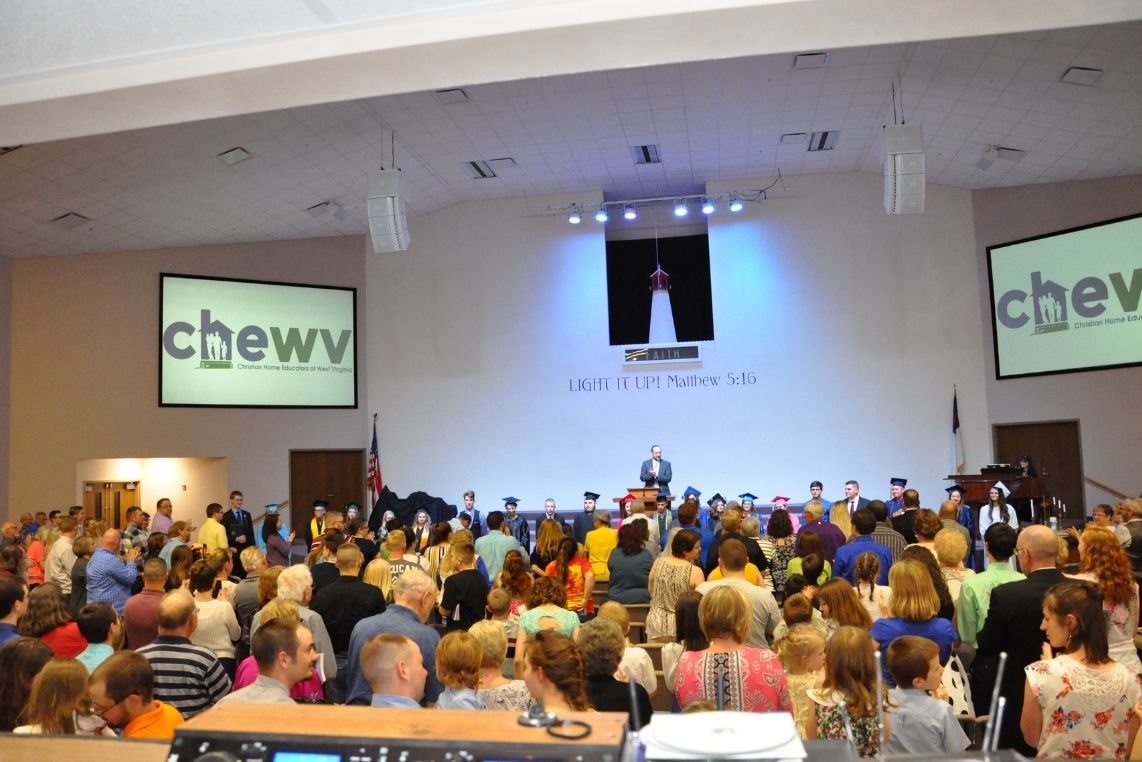
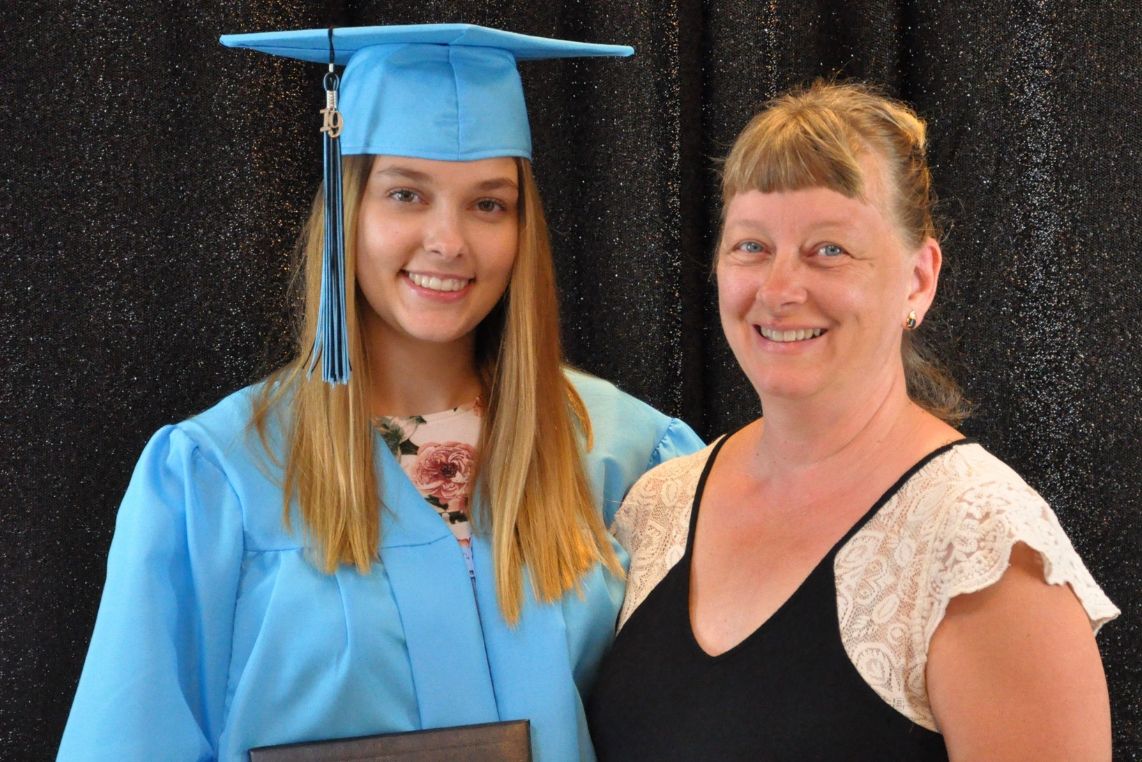
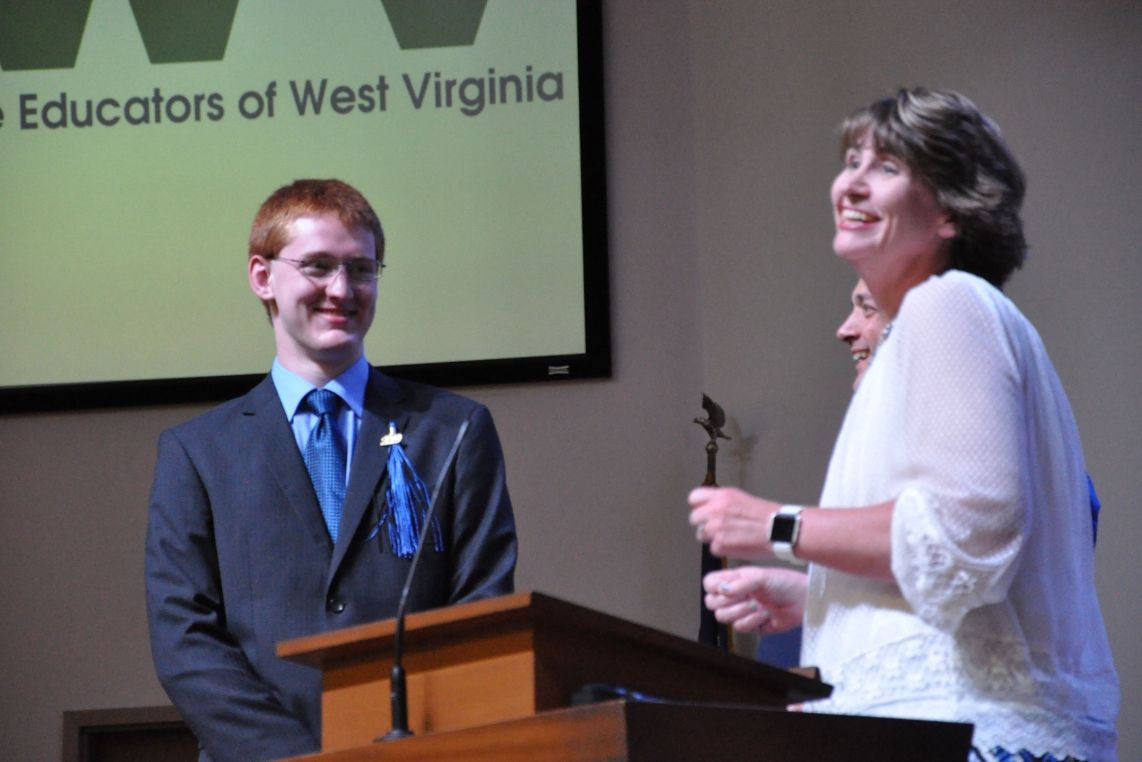
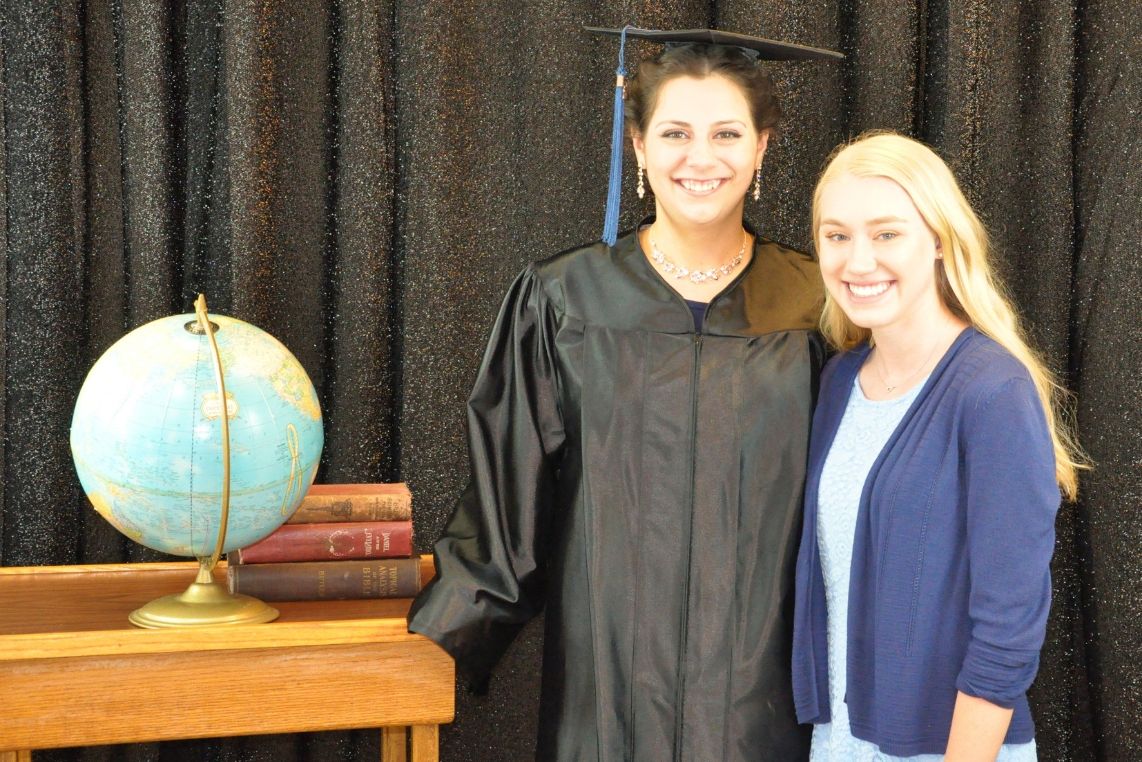
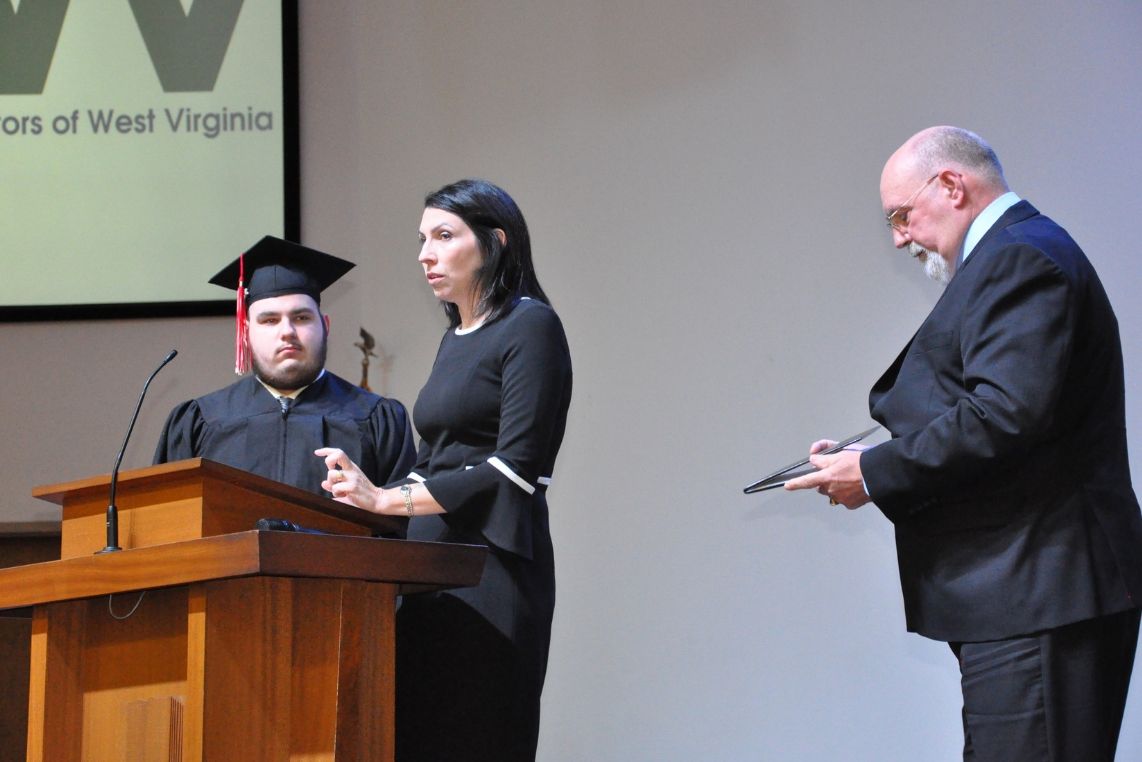
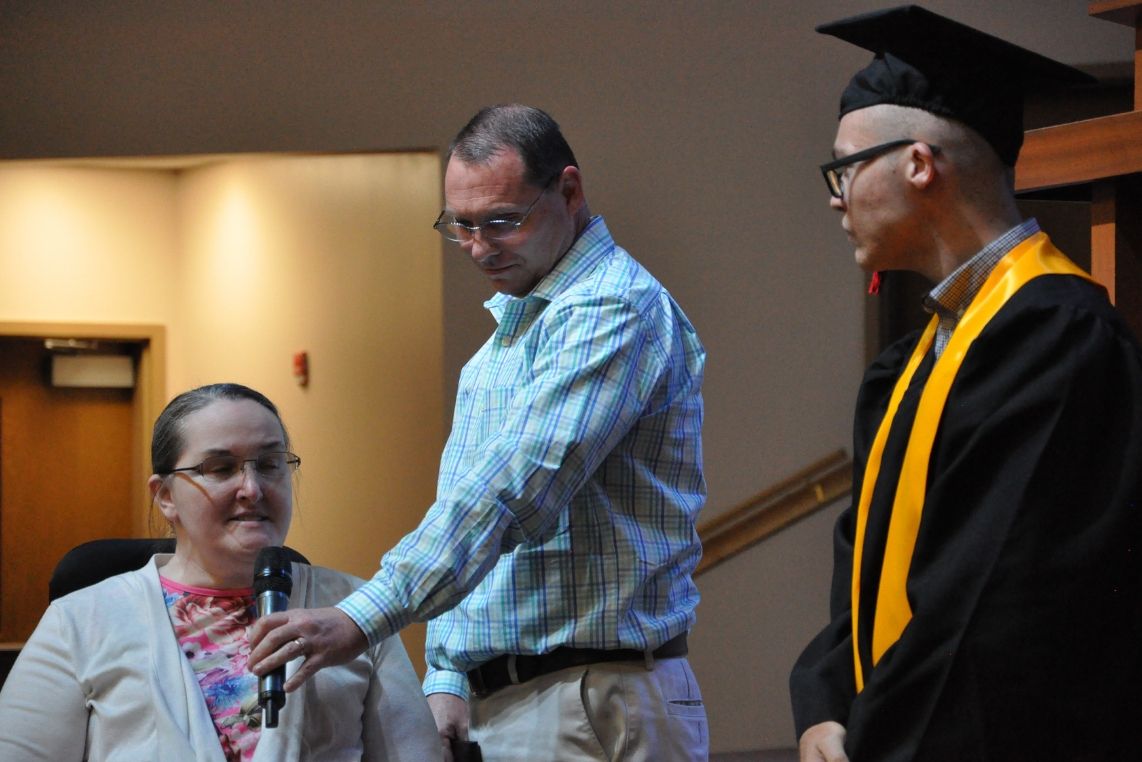
    With our largest class ever, the 2019 CHEWV Graduation was a celebration of God’s blessing on 21 young adults from all across the Mountain State. Whether you were able to attend or not, we hope you enjoy this picture gallery of our special afternoon.

  • WVUP Hosts Science Labs for Homeschoolers

    WVUP Hosts Science Labs for Homeschoolers

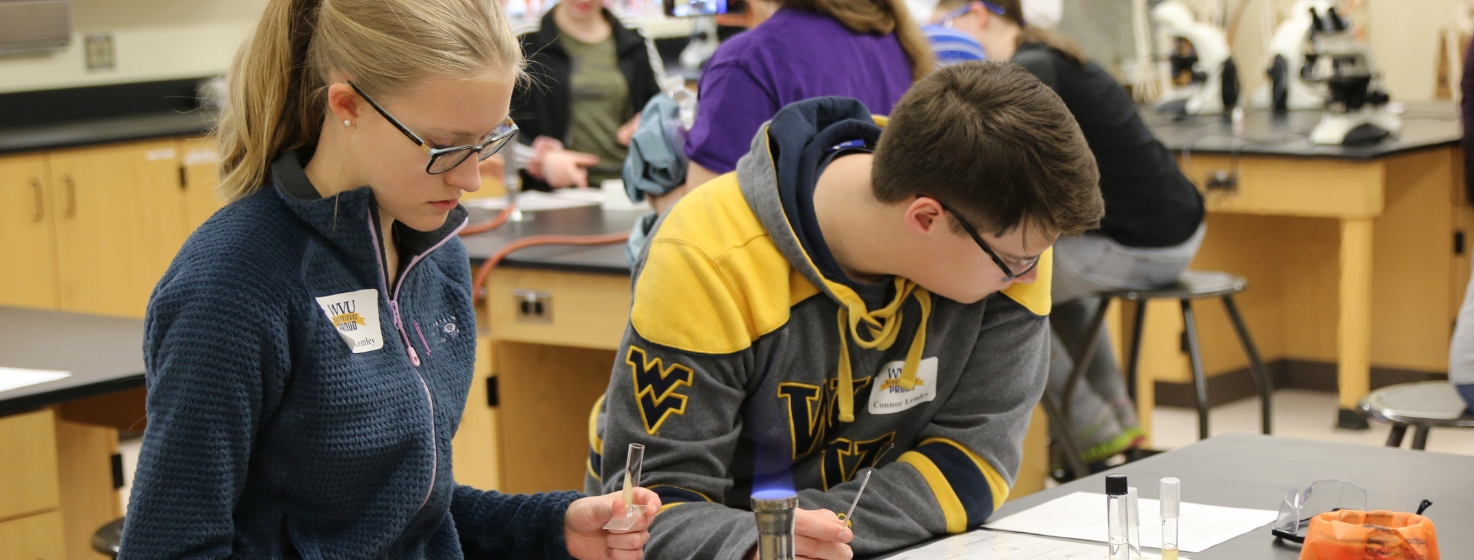
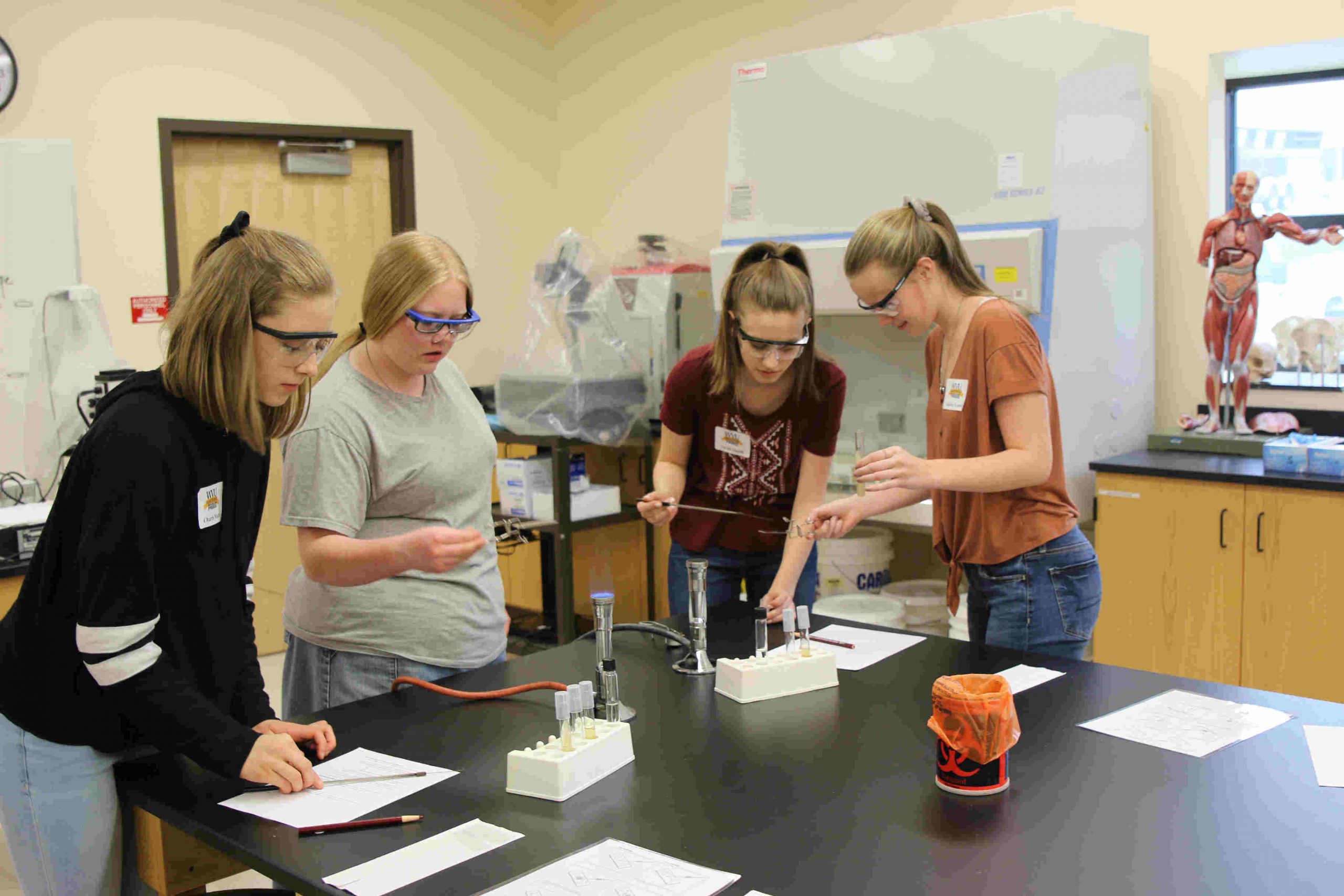
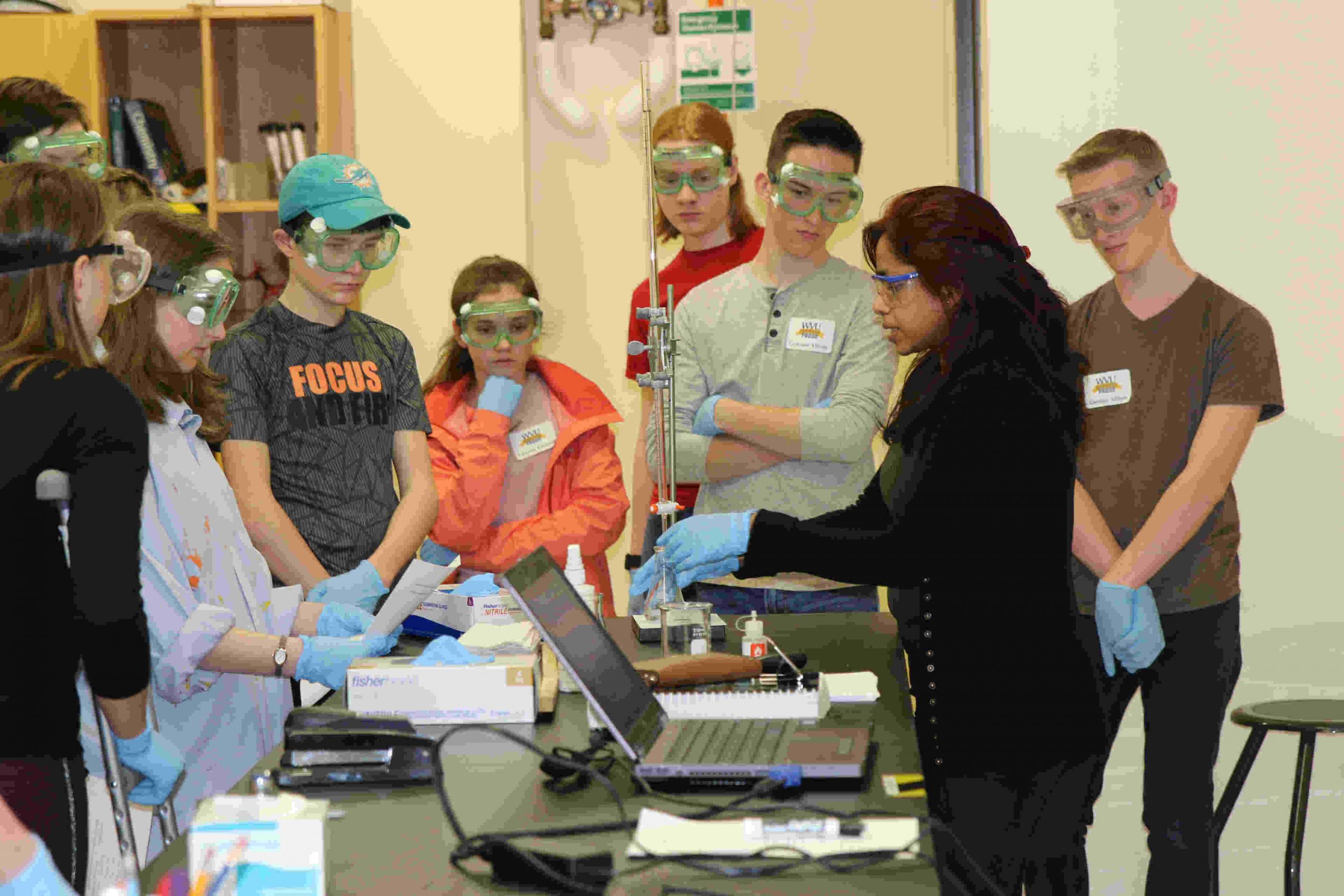
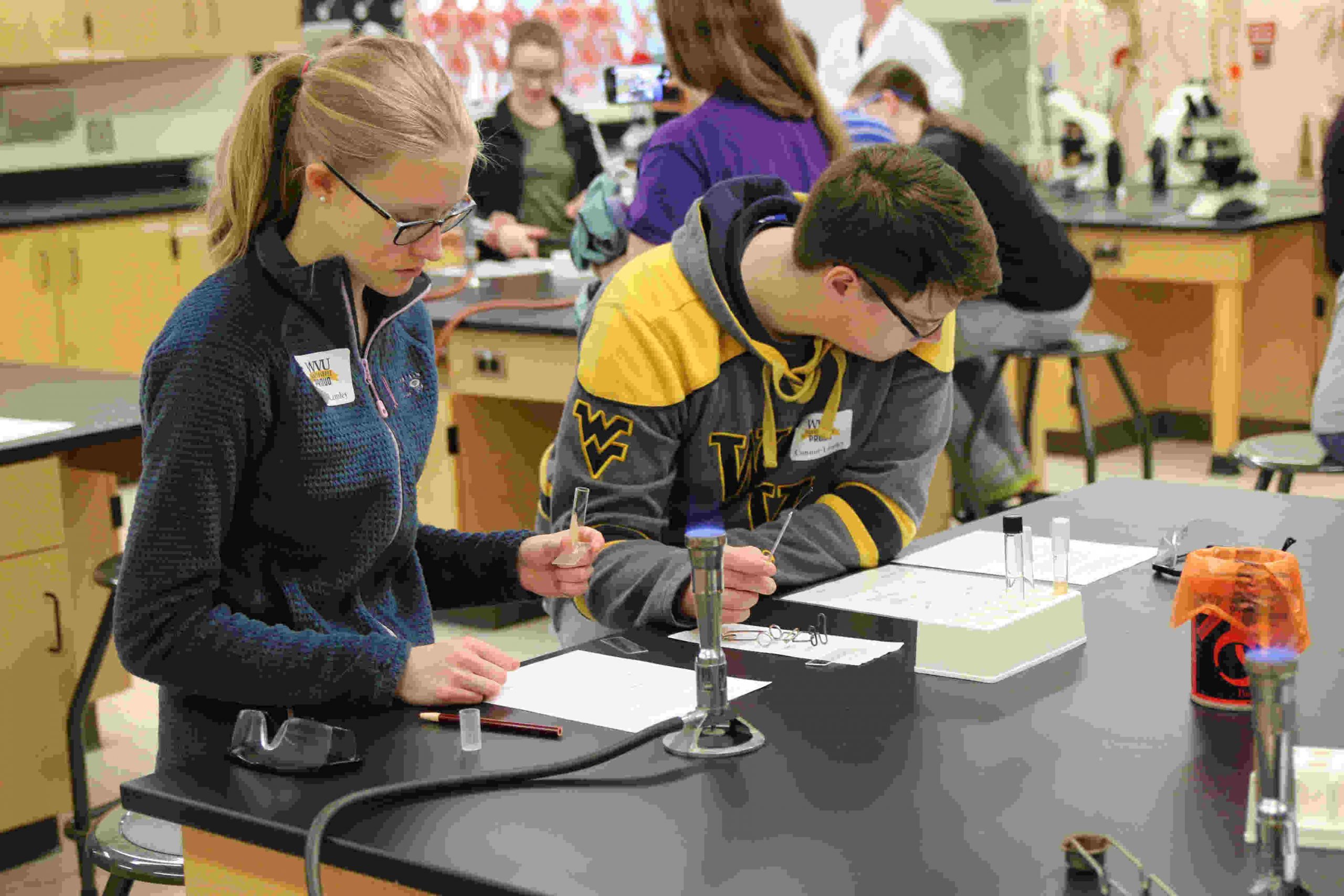
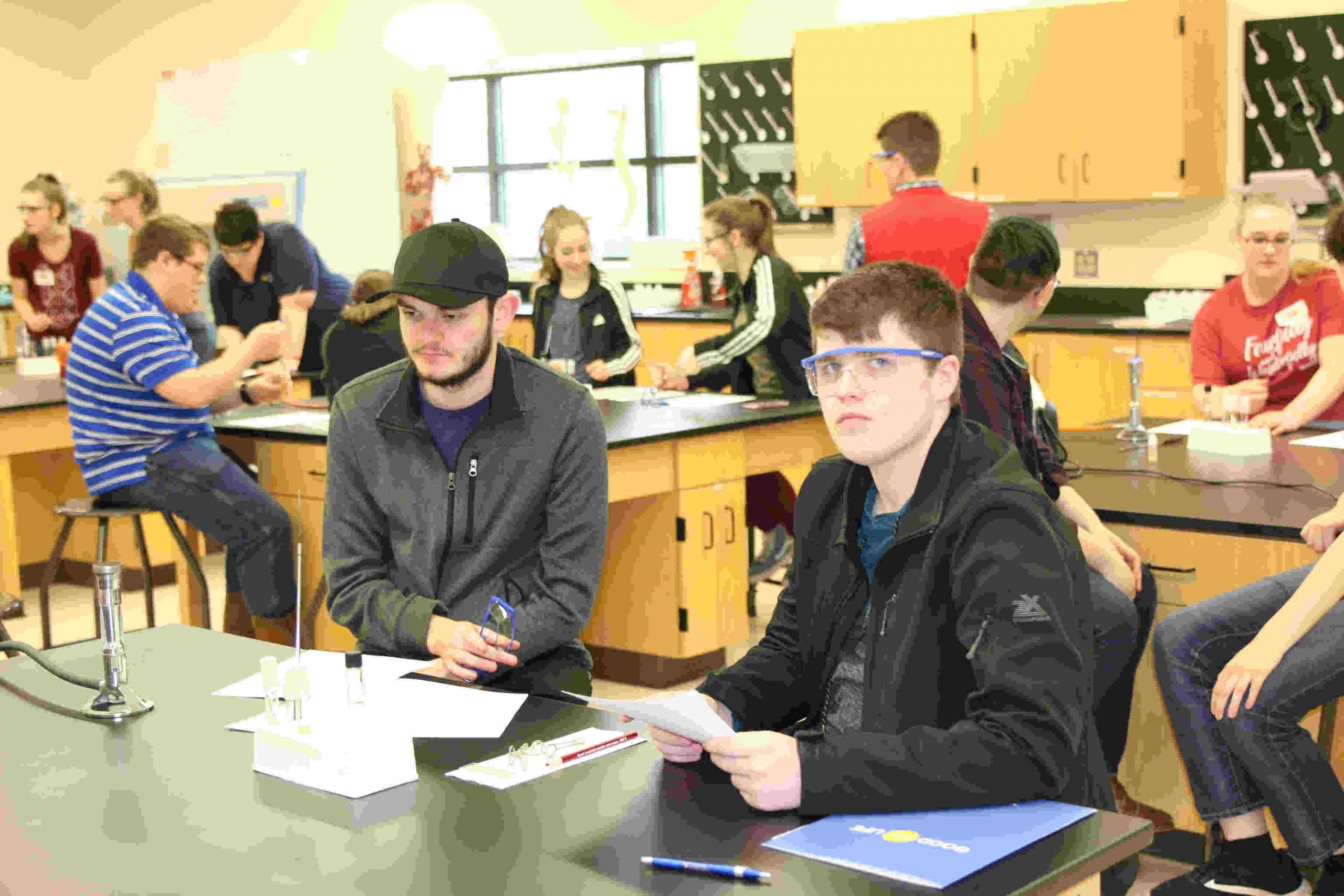
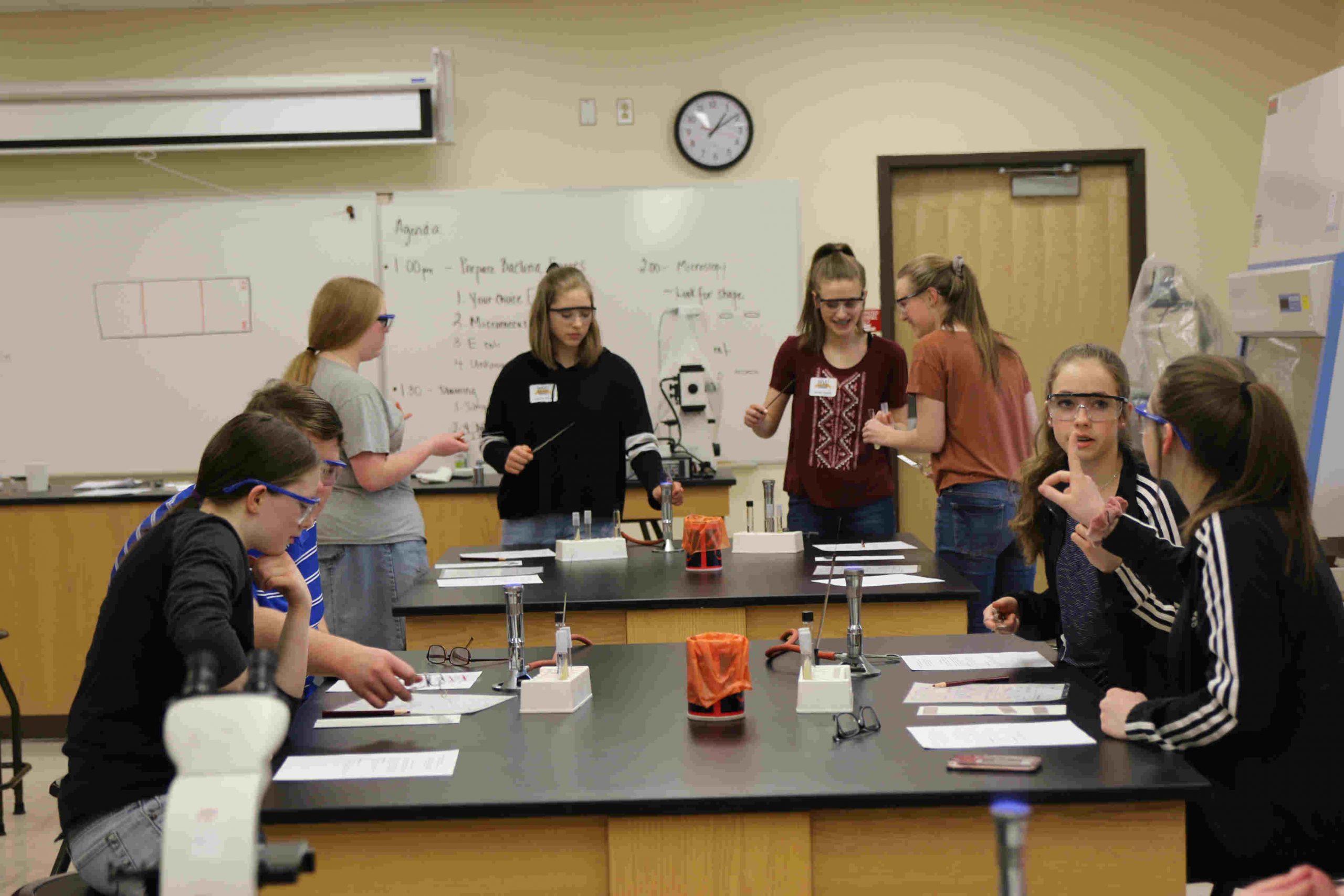
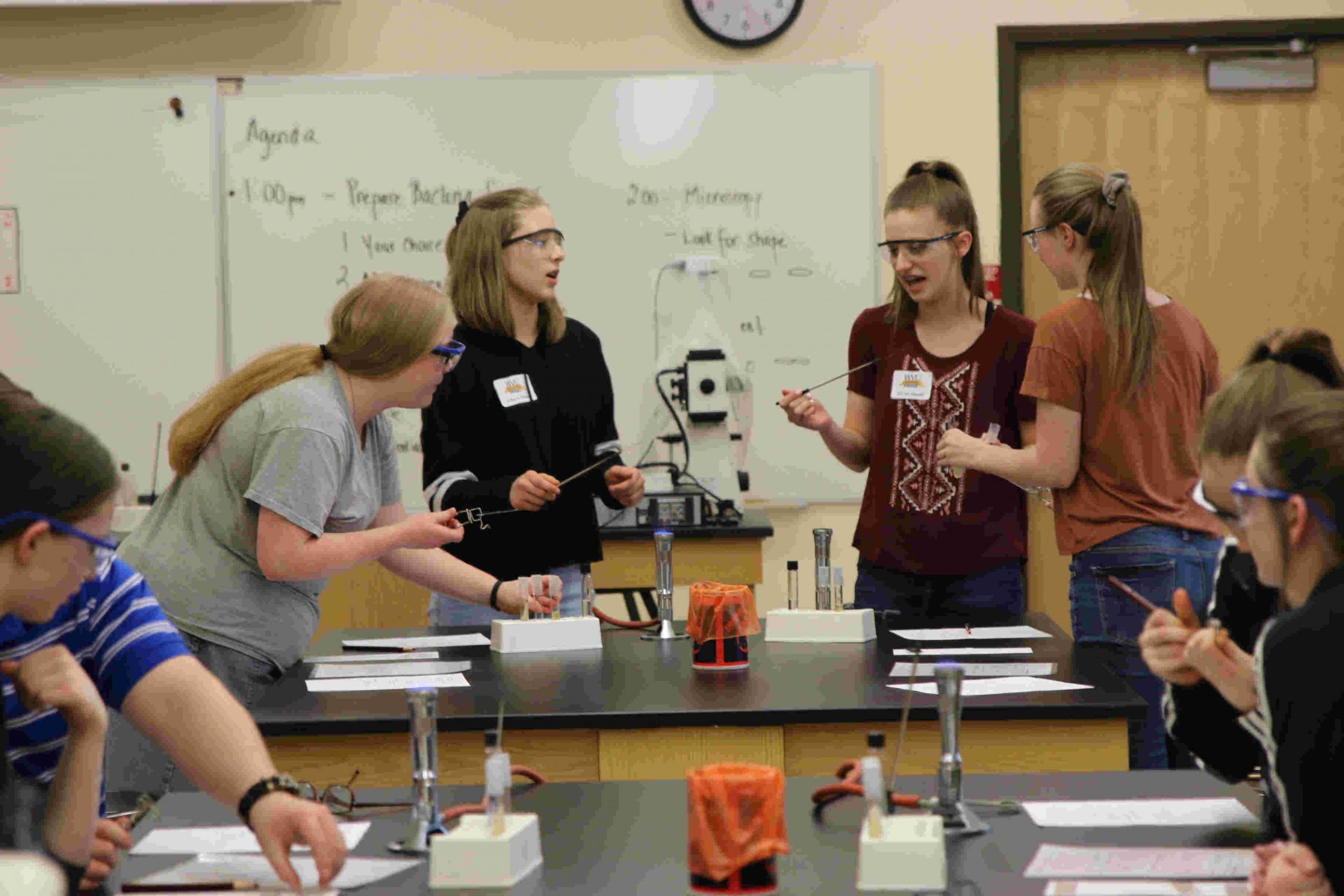
    Since lab sciences are prerequisite for college admissions, CHEWV was delighted that WVUP willingly offered high school level science labs to homeschoolers last month.  Here’s the icing on the cake:  they offered the labs, with materials, at no charge!  

    In March, several families took advantage of the “Home School Day” held at WVUP’s campus in Parkersburg for 8th-12th graders and their parents.  Following a career-exploration program, tours, and free lunch, both biology and chemistry labs were offered in the afternoon. 

    Paula Lemley, a Morgantown homeschooling mom and CHEWV member who took her three oldest to the event, raved about the program.  “I wish we lived closer.  They are offering Early College – really a dual enrollment.  My kids would be able to take classes, earn college credits, and get a ‘feel’ for college.”  While she is aware of dual enrollment courses at WVU, she explains, “This campus is nice and small.”  Small classes with personable instructors can serve as a valuable transition before attending a larger university.  

    Enthusiastically affirming that her family would participate if they offer labs again next year, Paula expressed a desire for other colleges/universities to follow suit.  “This Parkersburg campus is really reaching out to the homeschool community.  I wish FSU and WVU would do the same.”

    And so do we.  CHEWV would like to see more colleges around the state reach out to homeschoolers and provide science labs as an incentive to take campus tours and listen to college presentations.  Career-oriented labs were offered by the West Virginia Junior College Bridgeport campus in 2015, co-hosted and fully supported by CHEWV.  We are more than willing to lend our support to any college that would consider hosting labs because we hope this becomes a trend across the state.

    ~~~~~

    Click on any of the photos below to view as a slideshow.

  • The Special Session Has Begun

    by John Carey, CHEWV’s Legislative Liaison

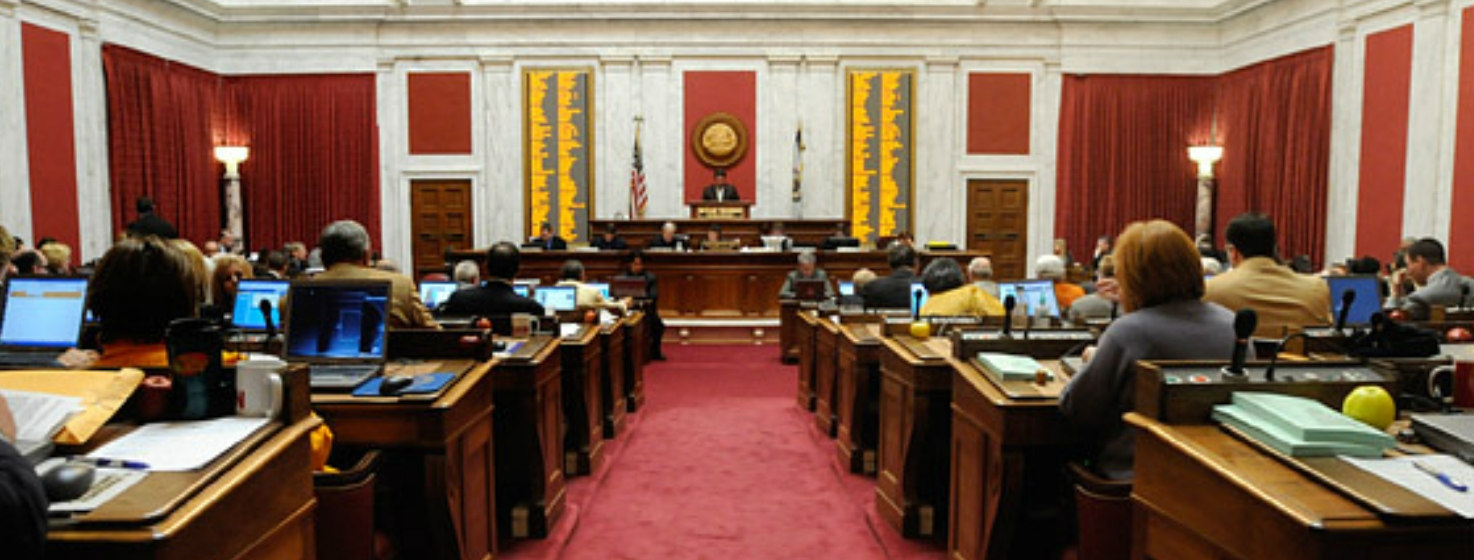
    As soon as the West Virginia Legislature adjourned at midnight on the last day of the 60-day regular session, the legislature was called into a special session to discuss what the Governor has called “Education Betterment.” Immediately afterwards, the legislature recessed and returned to their districts to get input from their constituents.

    At this time, it is unclear when legislators will reconvene to report the results of the public forums that are being held around the state. Some say at the end of April; others, during the interim in June.  In any case, it must be before the start of the fiscal year, which begins on July 1st.

    When I met with legislators on the last day of the regular session, they expressed their desire to hear from not just public-school parents and students, but from private school and homeschool families as well. In fact, if you want, I encourage you to coordinate with other homeschool families to set up a meeting with your legislators to discuss the issues that are important to you.  After all, these folks represent you and are available to meet throughout the year.

    Legislators are passionate about trying to do what is best for students and teachers. After many years of receiving reports of problems in public schools, they want to see a change in the system.  This is why many current legislators are encouraging Charter Schools and ESA’s: they want to give parents more control over their children’s education, and they want to see new educational approaches that better meet students’ needs. They also want to help public school teachers who want more of a say in how they teach. Legislators want to see a bottom-up approach applied to education that will facilitate success in the classroom. 

    In the last two decades, I have attended well over 200 education committee meetings at the WV State Capitol and have watched as legislators seek to improve education quality. They really do care and want to be able to look back over their years of service with satisfaction and the knowledge that they made a difference.

    At the same time, they do not always understand the needs of homeschool parents. For example, ESA’s are not a good choice for homeschool families, since government money is inevitably followed by government regulation. (Tax credits, which are not government money, would be a better fit for homeschoolers since they do not come with strings attached.)  In addition, school sports is an option some home school parents would enjoy—but not at the cost of increased regulation. Legislators also do not always understand the importance of religious liberty and parental rights to homeschool parents and often need reminded with phone calls and letters.

    When the legislature meets again before July to discuss how best to improve education, CHEWV will be there to meet with legislators and remind them of the legislative priorities that are important to homeschool families. We will remind them that we are funding our children’s education and doing, before God, what we know to be best for them and their education. By lobbying for WV homeschoolers, we will advance our freedoms and protect those families who have found an educational alternative that has proven to be successful in the Mountain State.

    If you are interested in learning more about the issues which have an impact on home education, if you have any questions, or if you are interested in helping to protect the freedom to homeschool, contact me at jcarey@heritagecwv.org.

  • The 2019 Regular Session Was Anything But Quiet

    The 2019 Regular Session Was Anything But Quiet

    The 2019 WV Legislative Session began with an effort in the Senate to improve public education by introducing Charter Schools – an effort that died in the House after teachers went on strike to protest.  In a surprising move, the Tim Tebow bill was discharged on the House floor but then died just two days later. A Home School Tax Credit Bill passed House Education but was never put on the Finance Committee agenda. Thankfully, in the end, a bill that helps homeschoolers applying for the Promise Scholarship passed both houses and now awaits Governor Justice’s signature

    Charter Schools and ESAs

    The 130-page Education Omnibus Bill, championed by senators who are passionate about improving education in West Virginia, contained provisions for creating charter schools as well as Education Savings Accounts (ESAs), among many other things. While charter schools do not have the flexibility that homeschooling provides, they have been shown to provide more local control than is available in the public school system. ESAs would have provided government funds for public school parents to send their kids to private schools if they otherwise could not afford to do so. Most Delegates did not support the Senate bill and tabled it indefinitely.

    ESAs versus Tax Credits

    CHEWV’s main concern with SB 451 was to ensure that the ESA portion did not negatively affect the homeschool exemption, because government money nearly always precipitates government regulation.  On the other hand, tax credits do not come with strings attached. 

    When legislators perceived that ESAs were not going to pass the House, they decided at the last minute to advance HB 3063, a bill that would provide tax credits for both private and homeschool educational expenses. While this bill passed House Education, there was not enough time for it to gain a hearing in House Finance.

    The Tim Tebow Bill

    A bill to enable homeschool and private school students to participate in public school sports was once again advanced by House delegates. After hefty debate by committee members, the bill was taken off the House Education agenda without a vote. Then in a surprise move on the House floor, when it appeared the bill was dead for the session, Delegate Ellington made a motion to Discharge the bill from the committee and place the bill on first reading. It passed First and Second Readings, but two days later, on Third Reading, the Tebow bill was tabled by the House indefinitely.

    The Bright Spot: SB 636 The Promise Scholarship Emergency Rule

    SB 636 was passed by the legislature and is on its way to the governor for his signature. When the Home School Promise Bill was passed in 2018, it created the need for a rule change in the Higher Education Policy Commission policy that governs the Promise Scholarship. This 2019 rule change, accomplished by the passage of SB 636,  reflects the intent of the 2018 legislature to allow homeschool students to receive the PROMISE without having to take the GED/TASC. 

    CHEWV thanks all our members and friends for their prayer support, involvement, and especially for the membership money that makes our lobbying efforts possible.  We would also like to thank HSLDA for the constant support they provide as we work year-round to defend and advance homeschooling freedoms at the West Virginia State Capitol.

  • Capitol Report Update 2/12/2019

    Capitol Report Update 2/12/2019

    by John Carey, CHEWV’s Legislative Liaison

    Where Things Stand on SB 451 As of This Morning

    SB451 passed out of the House Finance Committee early this morning and will be on Second Reading Wednesday. In this morning’s committee meeting, the Chair unsuccessfully attempted to add back more Charter Schools and reinstate ESAs. Three Republicans on the committee, Delegates Westfull, Storch and Anderson, did not support his plan. However, when the bill gets to Second Reading tomorrow, floor amendments are expected to be introduced to increase the number of Charter Schools and restore ESAs. 

    The Public Hearings

    The two public hearings held on Monday were populated by many public school teachers and administrators. However, some parents and other representatives came to show their support for both the ESAs and Charter Schools, some of my friends and former associates from private schools spoke in support of the ESAs, and even a few in the public school spoke in support.

    ESAs and Home Schooling

    As the bill advances and is amended, it is possible that Education Savings Accounts, or ESAs, could be placed back into SB451.  If this occurs, it is vital that the regulations governing the ESA program come under a separate section of state code from that of traditional homeschooling. Only by keeping the two systems of education separate will homeschoolers be able to maintain their freedom. If homeschoolers were to receive public money, such as ESA’s provide, then the civil government would seek ways to regulate their education. Public funding is always tied to increased government regulations. No-strings-attached Tax Credits are a superior way to support homeschooling since they are not tied to public funds. 

    Homeschool Perspective on ESAs

    Some have opposed SB 451 ESAs because they believe that public school money is being redirected to home education and that home educators want this to be part of the bill. Nothing could be further from the truth. As has been stated, traditional homeschooling parents fund their children’s education privately and do not depend on government funding. These children thrive because their parents are free to do, before God, what they know to be best for them. Curriculum, teaching methods, and religious education are not subjected to government approval. In comparison, public education has evolved into a highly regulated, top-down form of education. Homeschool parents are content to be left alone. Public funding is the last thing these parents would ever seek to receive.

    Other Parents Want More Freedom

    At the same time, it should come as no surprise that parents who do not have the time or resources to homeschool would desire public funding so that they, too, can gain the freedom to meet the individual needs of their children. Some want to use ESAs for private schooling, while others want to use the funds for what has been called Independent Study. All want to remove regulations and gain the freedom to create programs they believe to be best for their children. Clearly, homeschool parents are not the only ones who take a stand for their children! As long as there are parents and children, there will be battles like the one we are witnessing today. 

    As we stand now, homeschooling is not affected by this legislation. Let’s pray that we’re not drawn in.

  • WV SMART529 Essay Contest

    WV SMART529 Essay Contest

    For over a decade, the West Virginia State Treasurer’s Office and SMART529 have been helping children dream big and save for their future with the SMART529 When I Grow Up essay contest.

     West Virginia homeschoolers in grades K-5 can enter to win $5,000 in a SMART529 college savings account by writing about their future.

     It’s easy and fun. Here’s how it works: a child writes a short essay that begins with “When I grow up, I want to be a…”. 

    Regional winners are awarded a $500 SMART529 college savings account.  The winners’ homeschool association will also receive a $500 prize.  Prizes awarded to CHEWV help promote and protect homeschooling in WV. 

    Deadline to submit entries is February 22, 2019.  Learn more at smart529.com.

  • 2019 Legislative Session Preview

    2019 Legislative Session Preview

    Getting Prepared

    by John Carey, CHEWV’s Legislative Liaison

    The 60 Day Regular Legislative Session begins on January 9th. Here are some links to keep you in the loop as the session progresses, as well as a secret weapon that only a loving parent can employ.  

    Contact Info for Legislators

    It is imperative that homeschool families know who their legislators are and how to contact them. It may come as a surprise, but experience has shown that if a Delegate is contacted by as few as ten constituents, they will reconsider their position on any issue. Since Senators cover a larger district, typically twenty-five contacts are viewed as significant.

    Use this link to access capitol phone numbers and email addresses for all thirty-four state Senators and all one hundred Delegates.  

    Legislative Updates

    Typically, two thousand pieces of legislation are introduced each regular session; CHEWV and HSLDA will be evaluating all two thousand pieces to keep you abreast of any threats to homeschooling. Legislative threats may come in the form of a direct attack on homeschooling or as an attack on religious liberty and parental rights, the two pillars that support the right to homeschool.   

    Use this link to read legislation and observe its progress.

    Seeing Through the Fog

    Legislation may sometimes be written in a way that obscures its true purpose. A key goal of CHEWV and HSLDA is to monitor and to analyze legislation to discern its purpose and effects, whether intentional or unintentional. Knowing the true purpose and potential consequences of a bill will enable you to educate your state legislator and convince them to support your position.

    Here is an example from last session:  https://www.heritagecwv.org/active-legislation/hs-parental-rights/

    The Secret Weapon

    Little breaks down barriers of communication more powerfully than a parent whose primary reason for speaking is that they love their children as their Lord commands. This is the homeschool community’s secret weapon: parents unwilling to compromise in doing what is best, right, and true when it comes to those who have been entrusted to their care.

    In my two decades of lobbying at the State Capitol as CHEWV’s representative, I have seen this secret weapon employed repeatedly by hundreds of individuals. It takes a legislator from the stages of merely hearing what we have to say to the place where they stop, take the time to listen, and finally choose to support our position.

    This secret weapon can only be exercised by those who are dependent on their God through prayer and the reading of His word. This message can only truly be heard by legislators when parents speak firmly yet respectfully to those who will listen. It is one way that those who trust God find themselves working together with Him to accomplish His purposes.

    It is one the teachers’ unions do not possess. In fact, few groups at the State Capitol besides homeschool parents wield this powerful tool to preserve freedom. So as this session progresses, use the resources provided to help you understand the issues and then to communicate with your legislators as the need arises. But most of all, keep first things first and work together with God to bring success – a success energized through prayer and rooted in our love for God and our children.

    Deuteronomy 6:4-9

    “4 Hear, O Israel! The LORD is our God, the LORD is one! 5 You shall love the LORD your God with all your heart and with all your soul and with all your might. 6 These words, which I am commanding you today, shall be on your heart. 7 You shall teach them diligently to your sons and shall talk of them when you sit in your house and when you walk by the way and when you lie down and when you rise up. 8 You shall bind them as a sign on your hand and they shall be as frontals on your forehead. 9 You shall write them on the doorposts of your house and on your gates.”

  • Homeschoolers to Gather at Capitol

    Homeschoolers to Gather at Capitol

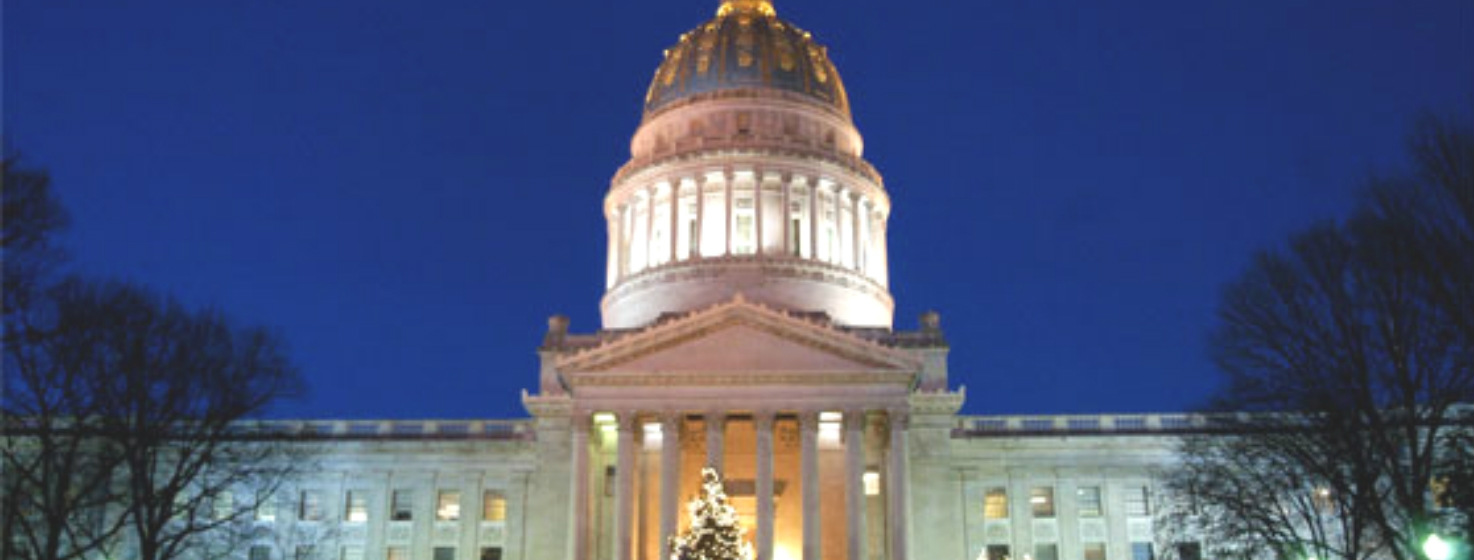
    Join homeschoolers from all around the state on Thursday, January 31st, for Home School Day at the Capitol (HSDC).  Meet us first in the upper rotunda under the CHEWV banner, where we’ll gladly check you in and give you helpful information.  We’ll also show you where you can set up your display, should you wish to showcase your own homeschool endeavors. 

    Before coming, you may want to contact your legislators and set up morning meetings to introduce yourselves and leave a card and/or token gift.  (Homemade cookies are always appreciated.) 

    Round out the day by attending the late morning session, the midday rally, and a tour of either the Capitol or the governor’s mansion.  If you’ve taken these tours in previous years, historical exhibits at the WV Cultural Museum next door are open to the public, and the nearby Clay Center offers inexpensive tickets to the Avampato Discovery Museum, Caperton Planetarium and Theater, and Juliet Art Museum.

    Check out the details here and be sure to register (free)!  We look forward to seeing everyone!

  • PROMISE Eligibility

    PROMISE Eligibility

    5 Things to Know

    Changes in PROMISE scholarship eligibility requirements for homeschoolers, effective July 2018, are now being implemented.  Here are some key things homeschoolers should know about the changes.

    1. No more GED.  Homeschool graduates are no longer required to take the GED to qualify for the PROMISE scholarship.
    2. Same requirements as public and private school students. To qualify for the PROMISE, homeschoolers now have basically the same academic requirements as public school students:
      • Minimum ACT composite score of 22 or SAT combined of 1100,
      • Minimum ACT scores of 20 in English, Mathematics, Science, and Reading – or a minimum SAT of 520 in math and 530 in reading,
      • Grade Point Average of 3.0 on a 4.0 scale in all high school course work, and
      • GPA of 3.0 in core classes required by the WV Higher Education Policy Commission (HEPC). 
    3. Must include “core classes”. SB 319, which passed in the 2018 legislative session, requires a 3.0 in core classes to qualify for the PROMISE.  The core classes prescribed by HEPC include 4 English credits; 4 Social Studies credits; 4 Math credits; and 3 Science credits.  This list of core classes will now be an important document for homeschool families wishing to become PROMISE-eligible. 
    4. Documentation needed. The core classes taken must be listed on their prescribed Homeschooled Grade Report Form and submitted to HEPC along with a transcript of all high school classes and grades.  The names of the core classes listed on the form should reasonably match the course names of the core classes listed on HEPC’s website.  In addition to the Homeschooled Grade Report Form, applicants must fill out the PROMISE application.
    5. Other requirements remain. In addition to academic requirements outlined above, other requirements for PROMISE remain unchanged.  Among these include residency requirements, application deadlines, submission of FAFSA, and documentation from the county board office that the student was homeschooled during the 11th and 12th grades.  See the complete list of requirements at the CFWV website.

    The CFWV can help with both PROMISE eligibility and the entire FAFSA application process.  


    Note 11/13/2020: If you have a student who qualifies for a Promise Scholarship you will need to get a letter from your county board of education stating that your child was homeschooled in the 11th and 12th grades.  Unfortunately, some parents have recently had some difficulty obtaining this documentation.

     If you find yourself in a situation where county officials hesitate to verify your student’s homeschool status, you may need to remind them that a NOI, even one submitted four years ago, is valid until you notify the county that you have ended the home education of your student.

     It is also very important to make sure you are following the law by submitting assessments in the years required (3rd,5th, 8th, and 11th). These filings will support your case when you need documentation from a county. By filing your 11th grade assessment you have de facto proof that you homeschooled in the 11th grade, even when county officials say they cannot give you verification.