Category: News

  • Research on Homeschooling Tells Us Plenty

    Research on Homeschooling Tells Us Plenty

     The Context

    In the past few years, detractors of homeschooling and its advocacy have been claiming that research on homeschooling proves almost nothing.  Consider the following quote by Christopher Lubeinski in the Peabody Journal of Education:

    Those claims [“that homeschooling ‘works’ and ‘leads to’ desirable outcomes”] might be true but cannot be supported by analyses of extant empirical evidence. 

     Regardless of whether or not this claim was accurate in 2013, is there any recent information that can quantify homeschooling and its effects? Yes, and it reveals more than many critics seem to want to admit.

     One Recent Review of Research

    Just two months ago, the peer-reviewed Journal of School Choice, published my manuscript entitled “A Systematic Review of the Empirical Research on Selected Aspects of Homeschooling as a School Choice.”  The article details the demographic characteristics of the U.S. homeschooling population and the reasons that parents choose to homeschool; summarizes the findings of studies on the homeschool learner outcomes of academic achievement, social development, and success in adulthood; and proposes future research on parent-led home-based education.

    To continue, click here, and visit www.NHERI.org.

  • CHEWV Students Participate at ABC

    CHEWV Students Participate at ABC

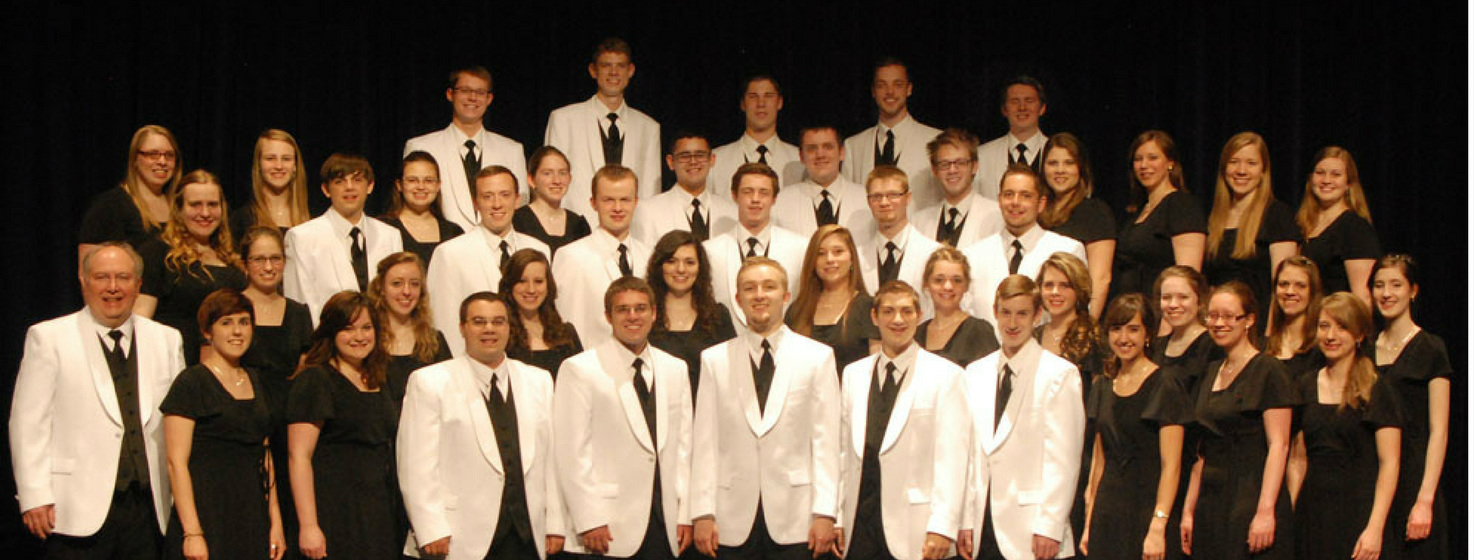
    CHEWV participants CiAnna Murray, Lexi Starcher, Kasey Starcher and Sarah Grace Johnson.

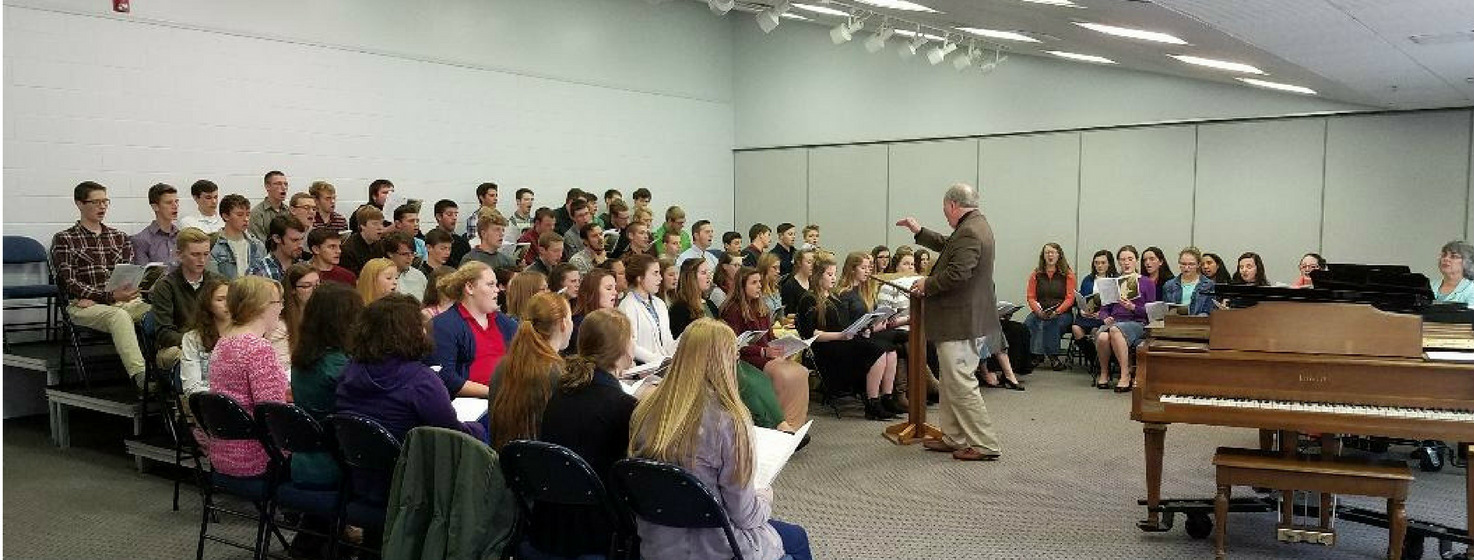
    On Thursday, November 9, 2017, four CHEWV students participated in the WVCEA Chorale Festival held at Appalachian Bible College under the direction of Roger VanMaasdam, ABC Music Chair. Students had the privilege of singing with the college’s Chorale as well as with several WVCEA high school students from around the state. Dr. Daniel Anderson, President of ABC, and Dr. Jerry Fisher, Executive Director of WVCEA, encouraged the students to use their gifts, talents and lives to honor the Lord above all else.


  • Is HSDC Still Important?

    Is HSDC Still Important?

    You’ve already braved the weather, taken the tours, attended the session, and spoken with your delegates and senator in previous years. Why spend another day doing it again?

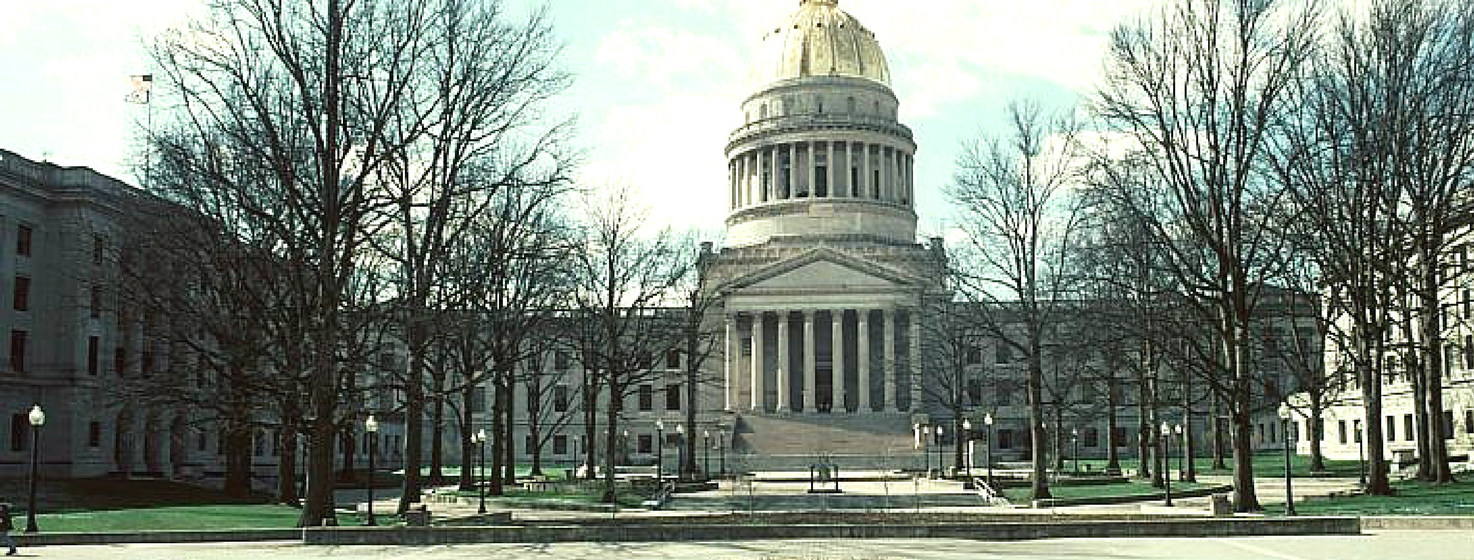
    If you are interested in protecting the freedom of parents to home-educate their children, then participating in Home School Day at the Capitol is extremely important.  The 2018 session of the legislature starts January 10th. Home School Day at the Capitol follows on January 16th, intentionally early in the session so that the presence of your family may thwart any homeschool-negative legislation.   

    Many well-meaning legislators think that more and stronger laws for homeschoolers would fix what they view as problems.  Too often, however, the problems they perceive are based on false, anecdotal “evidence.” Visiting with home-educating families gives legislators real-life, positive examples of homeschooling while offering them the opportunity to discuss their concerns. Answering their questions with kindness and prudence in an informed manner can be what dissuades them from supporting harmful legislation.

    Your presence can also positively affect any beneficial legislation that CHEWV hopes to introduce this session. Many legislators have never met a homeschooling family. They may not understand how current West Virginia law negatively impacts homeschooling students.  Issues like the TASC requirement for Promise Scholarship eligibility and unnecessary driver’s license hurdles need to be addressed in the legislature. A visit from your family may be the deciding factor in their support of an important bill.  Further, the development of a good relationship with your delegate and senator prior to the introduction of legislation may help keep the doors of communication open in the event of other issues arising.

    Finally, many delegates and senators may simply not understand why the ability to homeschool is so vital to West Virginia families. Whether you homeschool due to religious reasons, bullying, problems in the school system, feeling your children were falling through the cracks of the public school, special needs, or a myriad of other concerns that caused you to make the necessary sacrifices to educate your children at home, our representatives need to hear from you. They need to get to know us. They need to have their concerns addressed, and they need to see that we care about educating our children.  Then they may better understand how the laws they pass, and the rules made by other state agencies, affect homeschooling. You can make a huge difference.  Mark January 16th on your calendar now, and add your voice and presence to those of other CHEWV families!

  • Having Difficulty Taking the TASC?

    Having Difficulty Taking the TASC?

    Some students are having difficulty scheduling the TASC test to meet the PROMISE Scholarship deadlines.  Betty Jo Jordan, Executive Assistant to State Superintendent Payne, assures CHEWV that this form is all that is necessary to schedule the TASC requirements. 

    The public form should be taken to the county Attendance Officer to complete and stamp.  The completed form is then used to make arrangements to take the TASC. 

    CHEWV is working diligently on legislation that would remove the GED/TASC requirement from the PROMISE requisites.  Stay tuned to our media – website, social media, and e-newsletter – for updates through the 2018 Legislative Session which begins in January.  This is an ideal time to email your senator and delegates about this issue – before the session begins and distracts them.  Find contact information here.

  • Preparing for the 2018 Legislative Session

    Preparing for the 2018 Legislative Session

    John Carey, Roger Sherman, and Lesley Oxley met at the Capitol in mid-October to make plans for the upcoming 2018 Legislative Session scheduled to commence on January 10th.  CHEWV’s Legislative Team discussed the following:

    • removal of the requirement that homeschooled students take the GED/TASC test to qualify to apply for the Promise Scholarship;
    • Driver’s License parental confirmation of enrollment and progress;
    • Tim Tebow bill; and
    • homeschoolers’ right to attend vocational school.

    The latter bills were passed in both houses in 2017 but then vetoed by Governor Justice.

    As CHEWV prepares for the upcoming session, we would like to hear from homeschoolers who are directly affected by any of these issues.  Please email comments to John Carey (jcarey.heritage@gmail.com) or private message CHEWV’s Facebook page.

    Also, mark your 2018 calendars for Home School Day at the Capitol on January 16th.  Plan to take part, meet your senators and delegates, and observe politics in action.  Freedom is fragile.  Don’t take it for granted.

  • Opportunity to Sing!

    Opportunity to Sing!

    On Thursday, November 9th, CHEWV students in 8th through 12th grades are invited to experience an afternoon of singing with the Appalachian Bible College Chorale.  Hosted by the WV Christian Education Association, which also hosts the Fine Arts Festivals, this event gives students an opportunity to participate with a college-level choir.

    If your student is interested, please contact Kim Johnson at finearts@chewv.org no later than Wednesday, November 1st, for all the details.

  • Lesley Oxley Joins the CHEWV Legislative Team

    Lesley Oxley Joins the CHEWV Legislative Team

    Mrs. Lesley Oxley, a longstanding member of CHEWV who homeschooled her two children through high school graduation, is the newest member of the CHEWV Legislative Team.  After working closely with John Carey last session, she is joining the CHEWV team in a more official and ongoing capacity as we prepare for the 2018 session.  “I am very passionate about fighting for what’s just and fair, even though it doesn’t affect my children any longer.  I pray that West Virginia homeschoolers can enjoy the freedoms that homeschoolers in other states have,” Oxley writes on her Facebook page.

    Carey, who has been representing homeschoolers in Charleston for nineteen years, hopes to involve more CHEWV families and support groups to strengthen our voice in the legislative process.

    For bills of interest that may be introduced, see our separate news article, “Preparing for the 2018 Legislative Session.”

  • Senator Smith and Delegate Statler Offer Sage Advice to Homeschoolers

    Senator Smith and Delegate Statler Offer Sage Advice to Homeschoolers

    A disappointingly small crowd of homeschool families came out this past Thursday evening to hear Delegate Joe Statler and Senator Randy Smith, dedicated and energetic WV legislators who have supported the homeschool agenda in Charleston. The Town Hall, hosted by Pastor Jim Cooley and the Morgantown Bible Church, gave both legislators time to share their thoughts about home education and to hear concerns of parents and students. 

    Senator Smith lamented, “The problem with the country is that they don’t get involved.”  Originally from Terra Alta and now living in Davis, Senator Smith has grandchildren who are homeschooled.  He praised CHEWV’s lobbyist, John Carey, when asked how homeschoolers can separate themselves from truants. 

    “Bad laws often get passed because judges are not enforcing current laws,” stated Carey later.  “Judges need to enforce current law and protect children.  When they fail to carry out their judicial responsibility, pressure is put on legislators to take away liberties from law-abiding families.”

    Smith emphasized that legislators are influenced by emails from constituents.  While he discouraged the use of form emails, he stressed the impact of short, personal, heartfelt emails.  Smith noted that communicating before the busyness of the session sets in is strategic.  “Right now, during the fall months, is a good time… We get fewer emails now. But don’t be radical.  Don’t threaten,” he counseled.  “Be cordial, professional, tactful.”

    Delegate Joe Statler, Vice-Chair of the House Education Committee, concurred.  “Never assume we know what the heck we’re doing.  We may not realize the ramification of bills.”  Because hundreds of bills cross legislators’ desks during the session, he encouraged citizens to lobby and help legislators understand what a particular issue or bill could do to them or for them. 

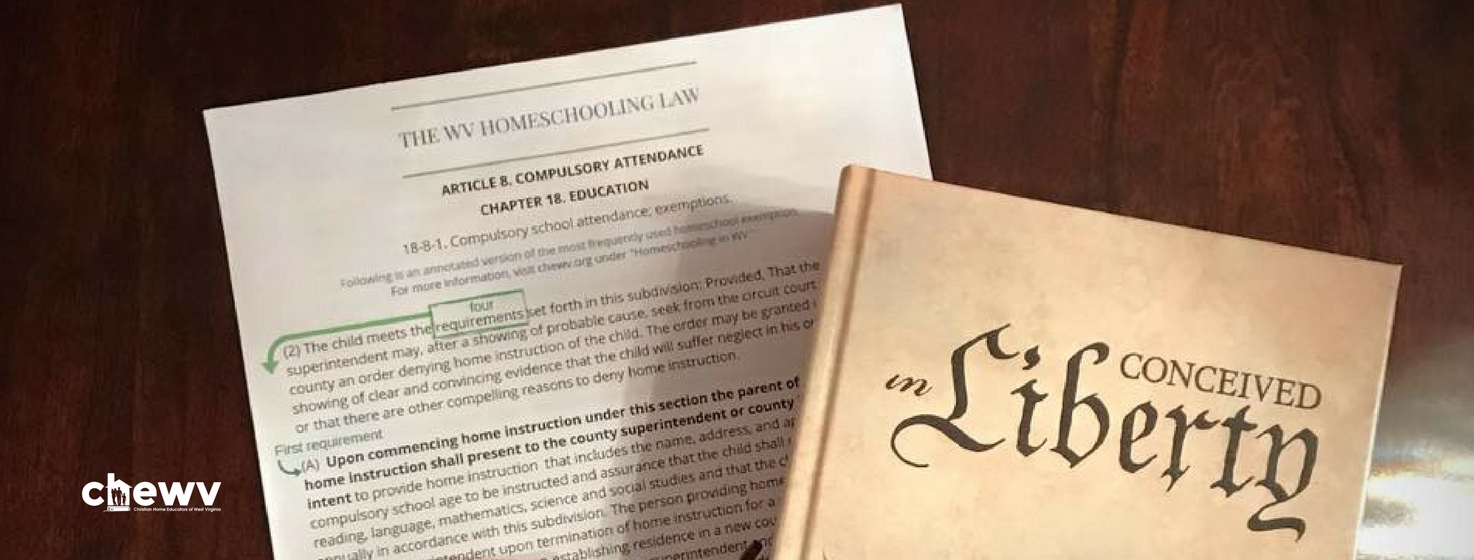
    Statler dislikes the extensive 18-8 education chapter in the WV Law, feeling that it doesn’t allow enough local control.  To a comment about homeschoolers still paying taxes and playing sports, the former Monongalia County School Board member clarified that the tax money is allocated back to the counties according to literal head counts in the public school; this means that homeschool students who are not physically enrolled prevent their parents’ money from coming back to the county of origin. Those funds default instead to general state funds. Consequently, teachers’ unions argue that homeschoolers cost counties needed money.     

    Statler himself is very supportive of homeschooling – along with other school choices – stating that the child’s education must always come first.  He supported the Tim Tebow bill and feels it was vetoed only because it also applied to private schools.  Without that provision, which was added in the Senate, he thinks it can get passed again – and signed.  In fact, he’s looking for that to happen in 2018.

    Roger Sherman, board member with CHEWV and long-time professonal lobbyist in the private sector, commented that most legislators intend to do what’s right, but they often hear from only one side on an issue.  He also pointed out that there is a 40% turnover in Charleston every two years.  “Never forget that four out of ten have never seen us before or heard our past stories.”

    Both legislators referred to the proverbial homeschooler on a four wheeler in the middle of the day – the characterization which has flooded the Capitol for years, intending to malign the diligence of homeschooling families.  Both Smith and Statler say that the antidote is meeting with legislators and letting them get to know real homeschoolers. Carey agrees. “They won’t push the [voting] button and hurt families that they know personally.”   

    “Bring your children with you,” says Smith.  “Their good behavior impresses legislators.”   

  • Homeschool Freedom Town Hall

    Homeschool Freedom Town Hall

    Featuring Senator Randy Smith and Delegate Joe Statler

    The West Virginia Legislature will convene for its 2018 regular session on January 10th.  As in the past, we can expect bills to be proposed and debated that will affect the freedom to homeschool in West Virginia.  A Town Hall for homeschooling families to discuss 2017 and 2018 legislation has been scheduled for Thursday evening, September 28th, at the Morgantown Bible Church, 1407 Brookhaven Road, from 7:00 to 8:15.

    This event is an opportunity for homeschooling families to become aware of the legislative process, attuned to current issues, and involved in both politics and prayer.  These types of events also demonstrate to legislators that homeschoolers are informed, and that we care.

    The evening will feature Senator Randy Smith and Delegate Joe Statler, who will be offering an overview of the 2017 session and discussing issues of interest as we look forward to the 2018 session.  Senator Smith represents Barbour, Hardy, Preston, Taylor and Tucker counties, as well as parts of Grant, Mineral and Monongalia counties.  Delegate Statler represents District 51, which includes a large amount of Monongalia County.  Both legislators are friendly to homeschooling concerns.  In addition, John Carey, CHEWV’s Legislative Liaison, will contribute to the discussion.

    Morgantown Bible Church is sponsoring the Town Hall on behalf of homeschooling families and in cooperation with CHEWV.  The discussion will be moderated by Pastor Jim Cooley.   

    At this meeting, we want to hear firsthand from you whether you find our homeschooling laws, particularly the recent changes, helpful; and whether there are further changes you would like the legislature to consider.

    “Today, homeschooling families in WV enjoy a level of freedom that was hard to imagine only 30 years ago,” says Roger Sherman, founding CHEWV board member and part of the group who fought for the initial right to homeschool in WV.  “Families then were often fearful of having their children taken from them if they let it be known that they were homeschooling.  That freedom was hard-won and is maintained today through the active, prayerful engagement of homeschooling families in the legislative process.  God has blessed those efforts but we must not allow complacency to put our successes at risk.”

  • High School: Dual Enrollment Options

    High School: Dual Enrollment Options

    Homeschooled high school students are benefitting from the growing early enrollment options available through higher education institutions, where they can earn college credit during the high school years at a drastically reduced cost. These programs, through universities like WVU ACCESS and WVU Tech, offer a range of academic opportunities for the high school student seeking an academic challenge, whether their courses be on-campus or online.

    Dual enrollment has become a popular alternative to AP testing due to its  growing availability through online classes and its low cost. Classes through WVU Tech are $25 per credit hour, while classes through the WVU ACCESS program are $75 per credit hour.

    “I am homeschooling two high school students, but I wanted to give them the opportunity to have an instructor other than me before college, and to earn early college credit,” says one homeschooling mom. Her daughters are dual enrolled at WVU Tech, and both will be taking English 101 this fall—even though one daughter is a sophomore.

    “I had inquired if it would be possible for my rising sophomore to take a class also,” the mom says, “and I was told that it would be possible, even though those classes are typically reserved for juniors and seniors. She has already taken the ACT and scored well in language and reading, and I supplied this information unofficially to the college while asking about her enrollment.”

    While students enrolled in public school are limited to taking dual enrollment courses during their junior and senior years, homeschooled students can additionally enroll during their sophomore year with their parents’ approval and a GPA of at least 3.0. The school may also ask for proof that the student is academically capable; Pierpont Community College requires a $22 fee per credit hour for an evaluation that the student must pass in order to enroll, for example.